This post contains affiliate links. If you book or purchase through these links, I may earn a small commission at no extra cost to you. This helps support my work and allows me to keep creating detailed travel guides.
For a long time, Albania was just a vague spot on the map for me – a name I recognized but with no clear image attached. When I was planning my Balkan road trip, the idea to include it was almost an afterthought. But in the end, this part of my journey turned out to be one of the biggest highlights: crystal-clear seas, dramatic mountain landscapes, and a level of hospitality that kept taking me by surprise.
The focus of my trip was on Albania and Montenegro, with a side trip to Bosnia & Herzegovina and a few days in and around Dubrovnik. In this post, I’ll take you along my route through Albania, share my experiences, give practical tips, and reveal my personal highlights.
My route: Tirana – Vlora – Dhermi – Himara – Durres – Kruja – Theth (Albanian Alps).
Varied, full of contrasts, unforgettable.
This journey reminded me why road trips through Europe remain some of my favorites – similar to my road trip through Montenegro, my Albania itinerary was all about contrasts, slow travel, and unexpected highlights.
In This Guide
Travel Route of my Road Trip Through Albania
Tirana – Colors, History & a Hint of Chaos
My journey began in Tirana, a city that feels contradictory at first glance: socialist-era apartment blocks next to brightly painted facades, bustling street markets alongside trendy rooftop bars. This mix of old and new, of improvised and modern, is what gives the city its character.
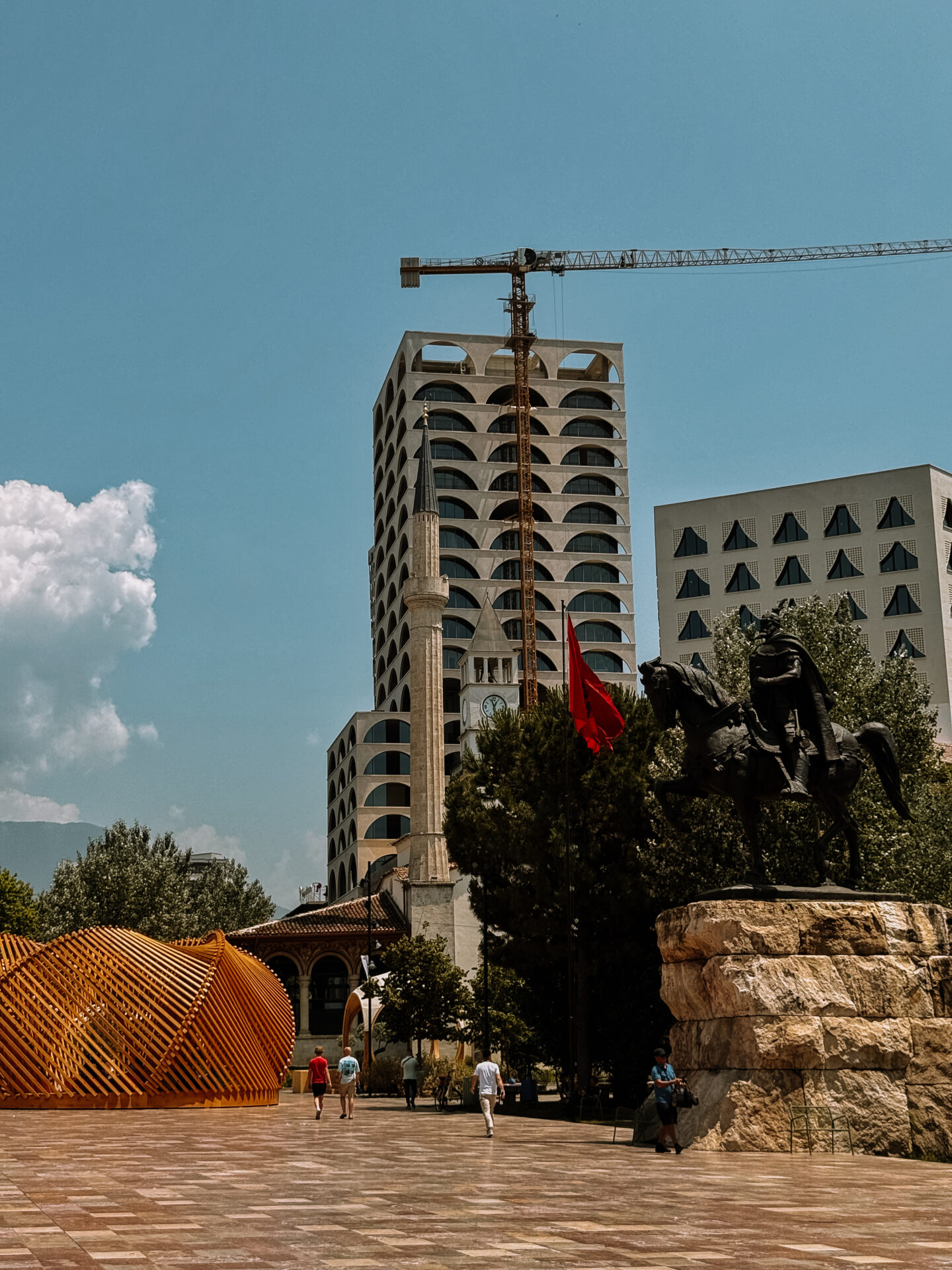
I wandered across the wide Skanderbeg Square, the heart of Tirana. Surrounded by museums, the opera house, and the Et’hem Bey Mosque, it has an almost majestic feel – if it weren’t for the constant bustle of street vendors selling sunglasses, corn on the cob, or souvenirs.
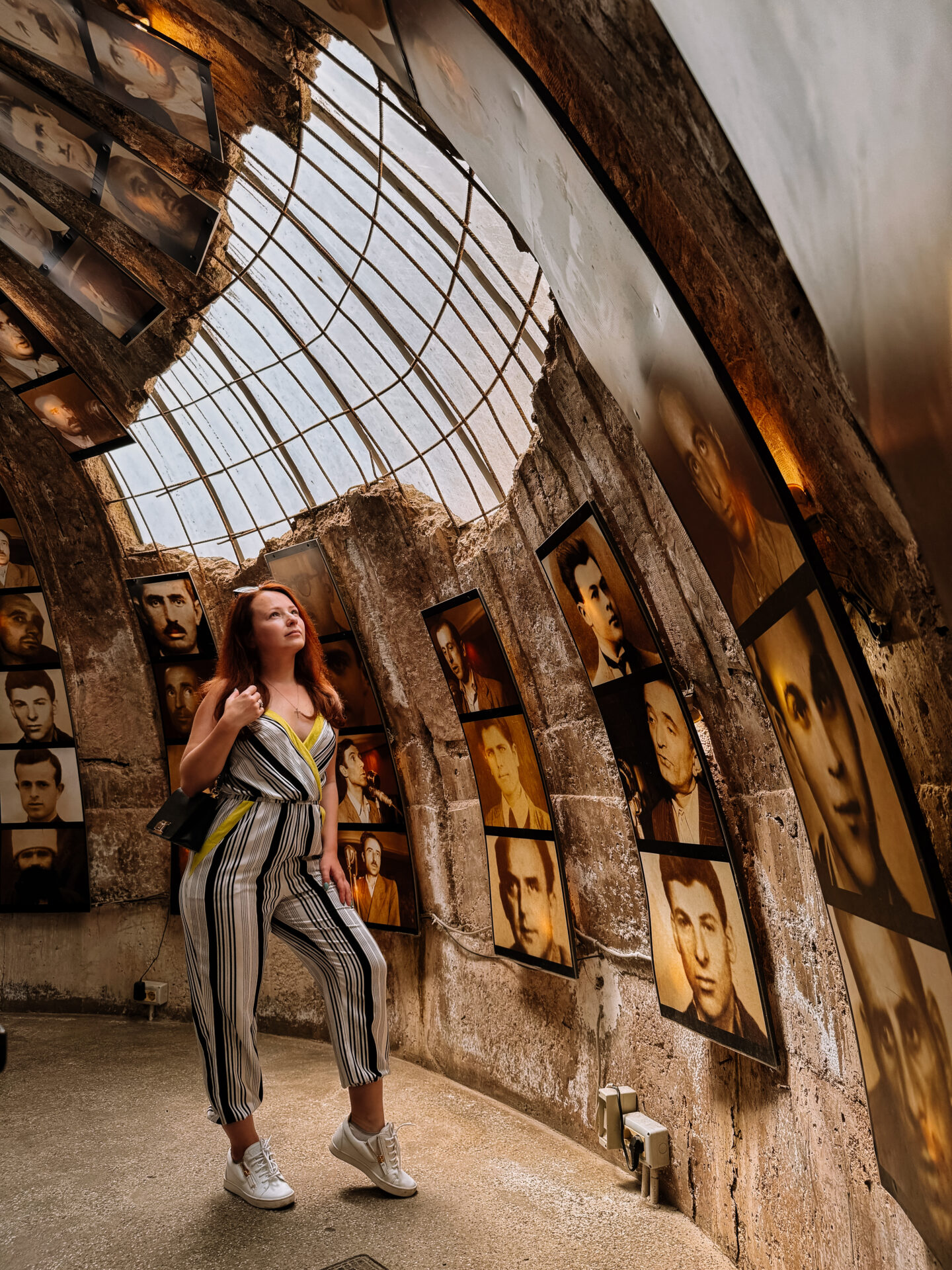
One of the most impressive places I visited was Bunk’Art 2: a former nuclear bunker that now serves as a museum. Deep underground, it gives a powerful insight into Albania’s communist past and decades of isolation. The contrast to today’s open and lively Tirana couldn’t be greater.
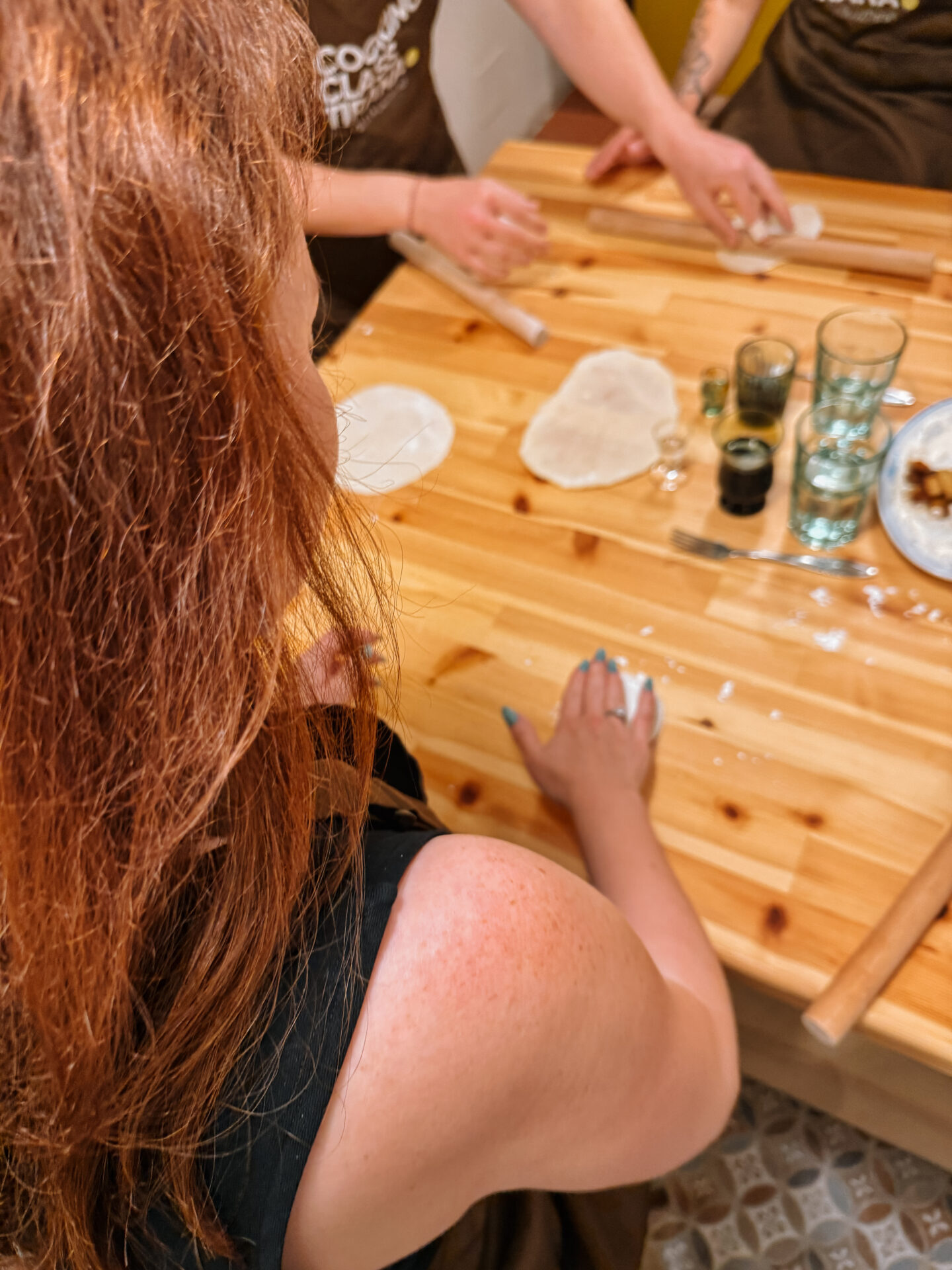
One of my favorite evenings was a cooking class. Together with a small group, I prepared traditional dishes – from savory byrek to creamy tavë kosi. It wasn’t just about the food, but also about the stories, little kitchen tricks, and everyday anecdotes that made the evening special.
Tip: Set aside time for an evening stroll through the Blloku district. Once reserved for the political elite, it’s now a vibrant neighborhood full of bars, cafés, and street art.
Vlora – Gateway to the Riviera
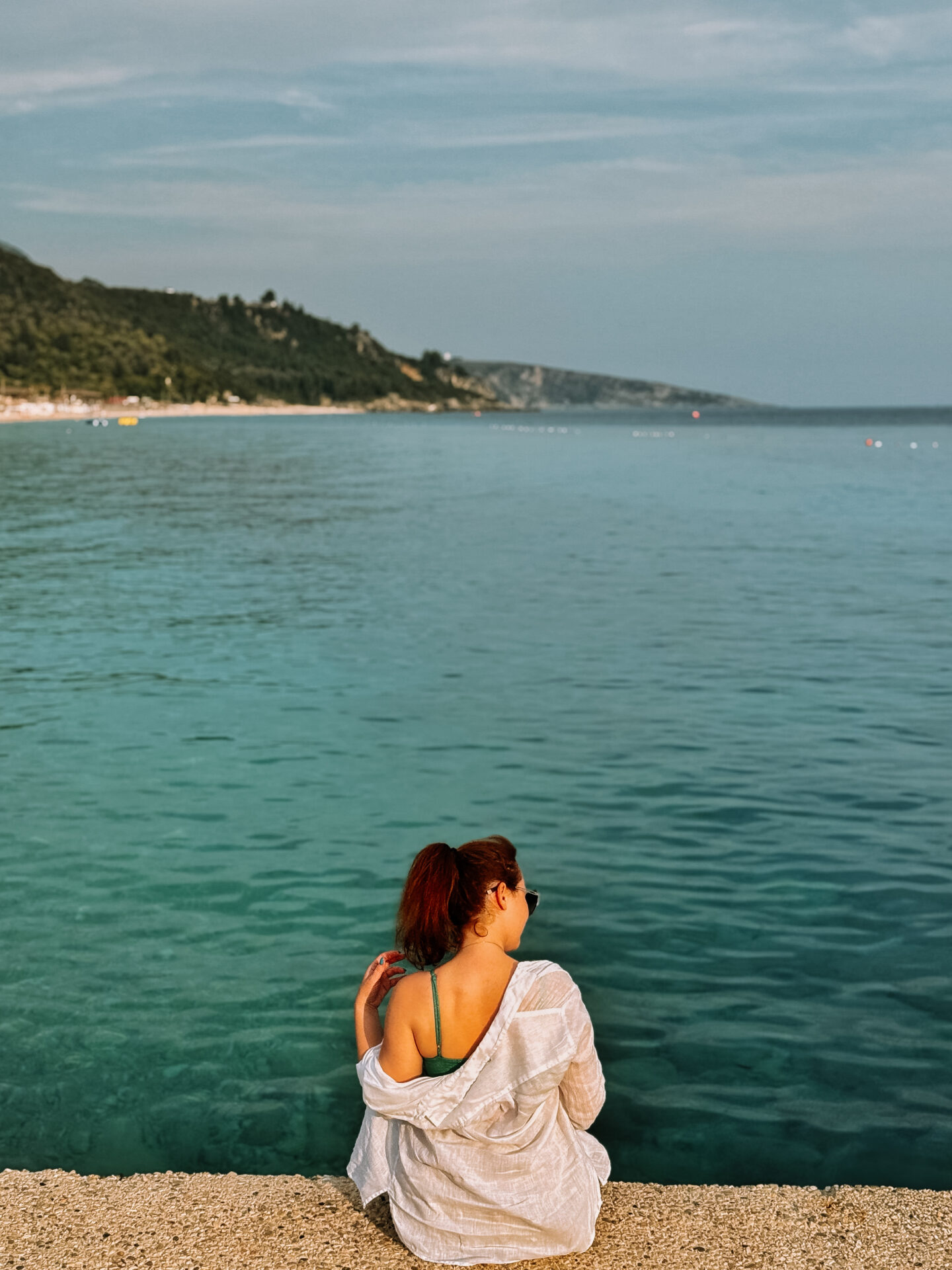
My first stop on the Albanian Riviera was Vlora – more precisely, a spot just outside the city, right by the sea. It was the perfect place to settle in after the journey, watch the waves, and slip into the slower rhythm of the coast.
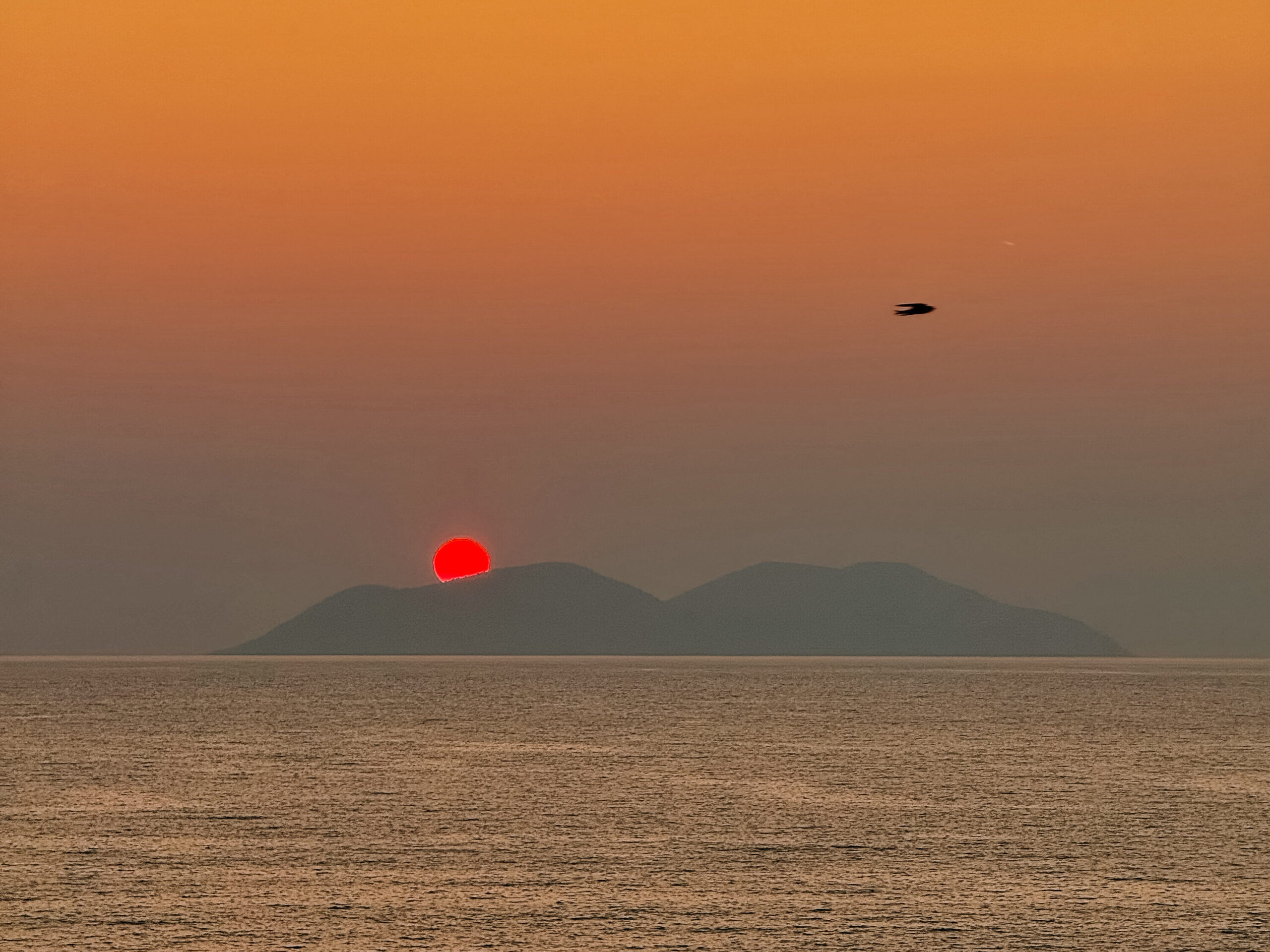
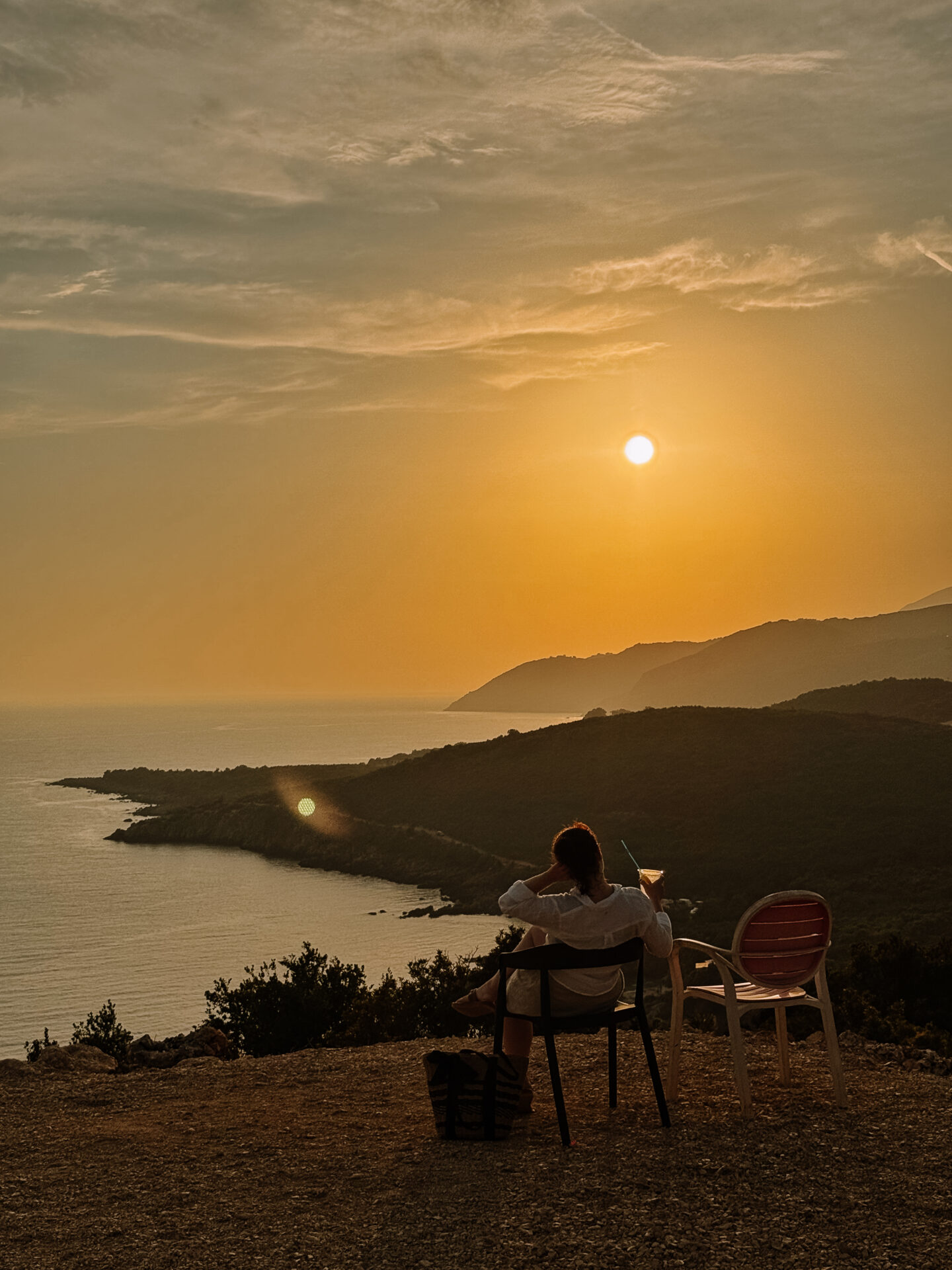
The city’s long promenade stretches for several kilometers and is ideal for a relaxed walk, though I mostly stayed in the quieter surroundings outside the center. In the evenings, the sky over the Karaburun Peninsula turned warm shades of orange, and the sea shimmered in the last light of the day.
During the day, a trip to Zvernec Monastery, located in the Narta Lagoon, is well worth it. The wooden footbridge leading there seems to float over the water, and on misty mornings the scene is almost mystical.
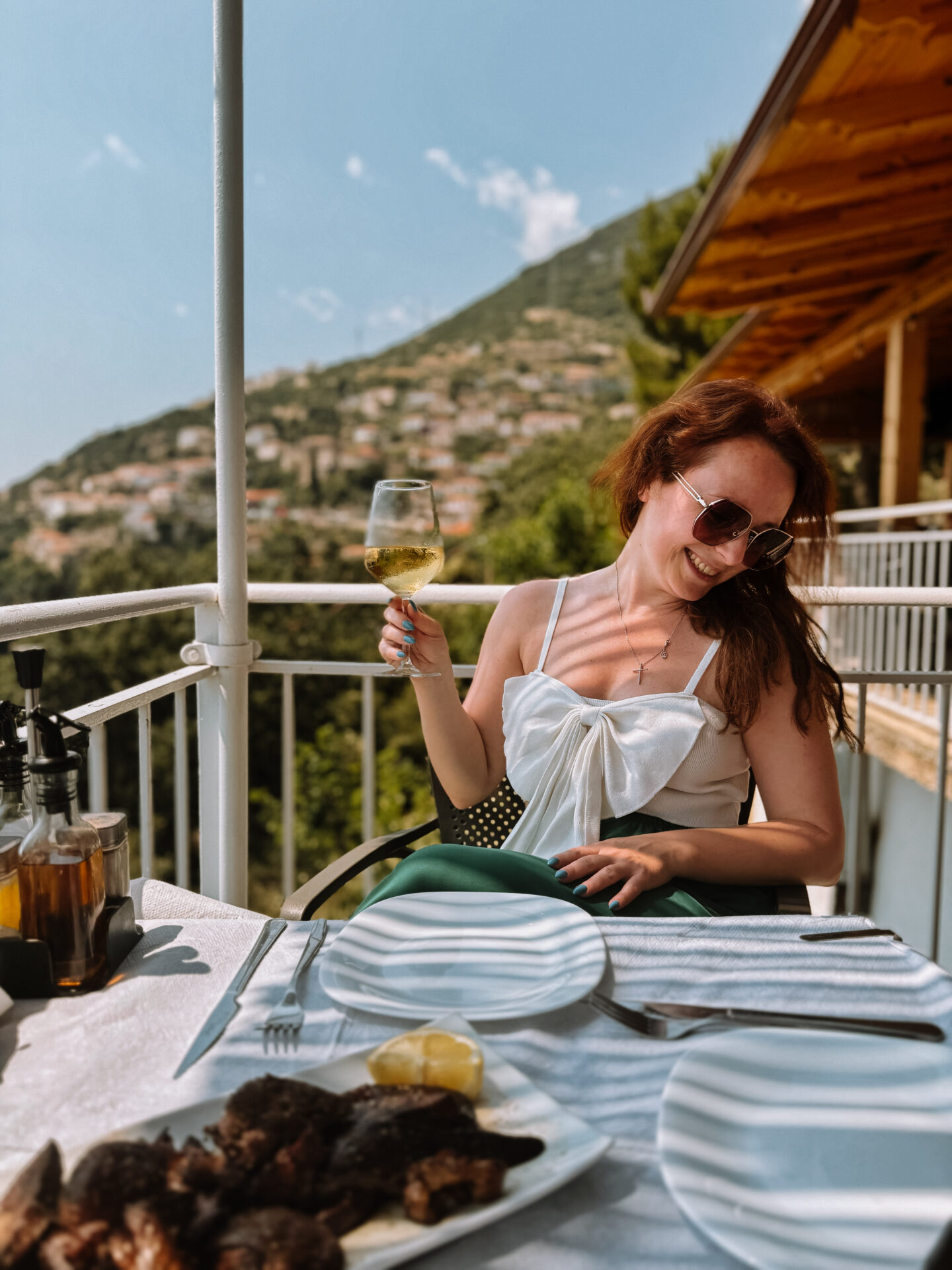
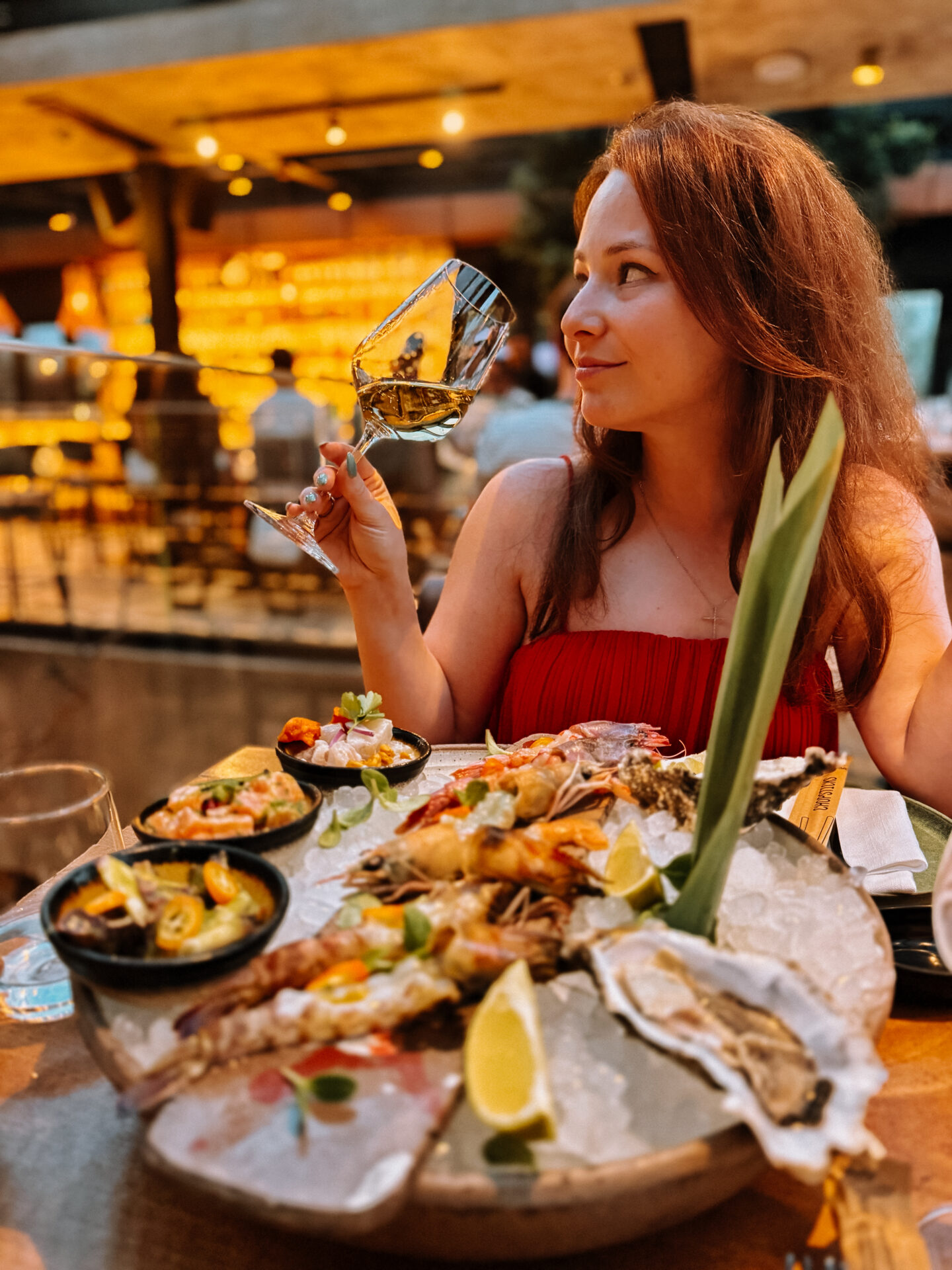
When it comes to food, Vlora – and the surrounding region – is a safe bet for fresh fish and seafood, often grilled right at the harbor and served with simple yet aromatic touches like lemon and herbs.
Dhermi – Panoramas & Postcard Colors
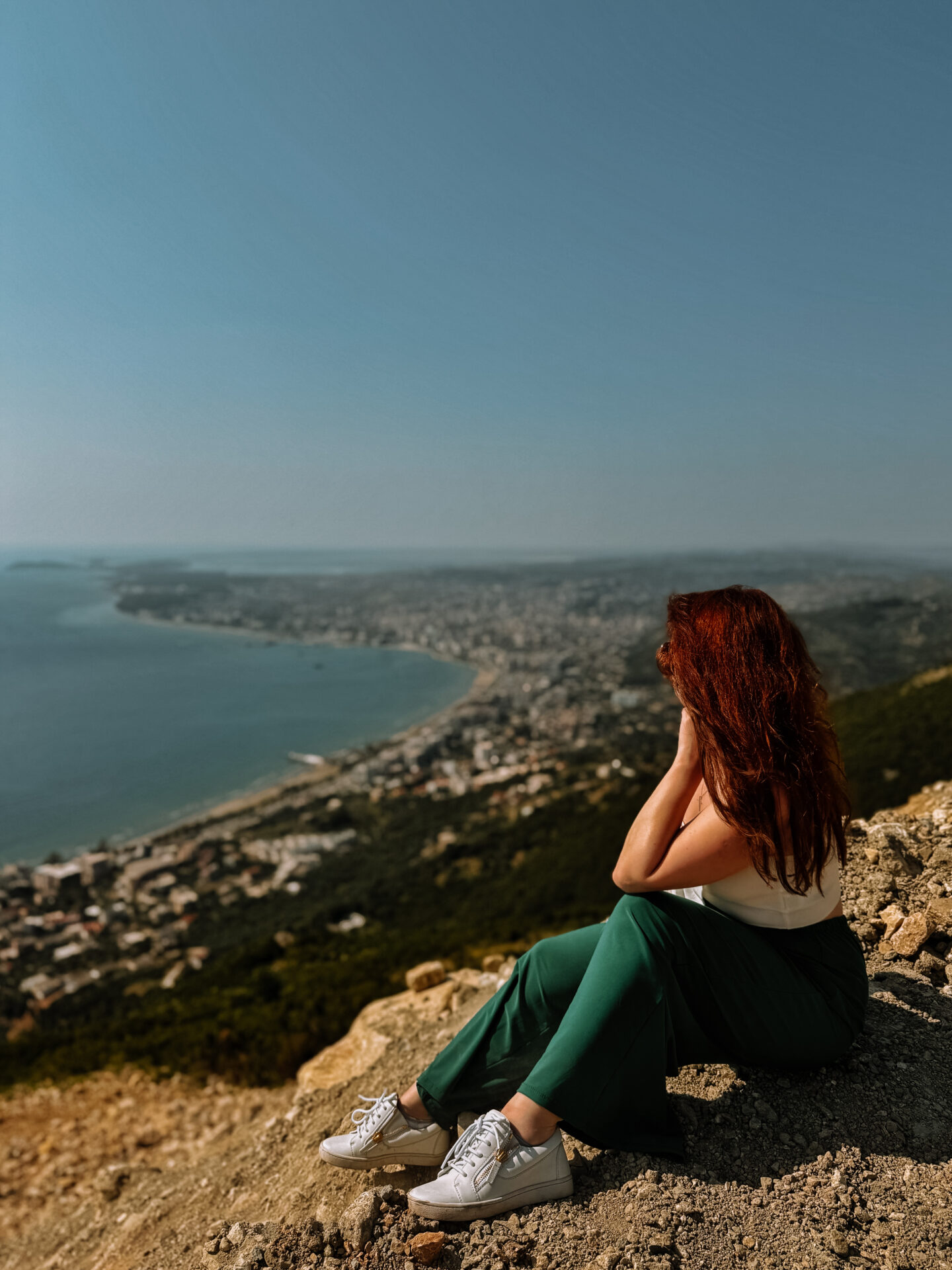
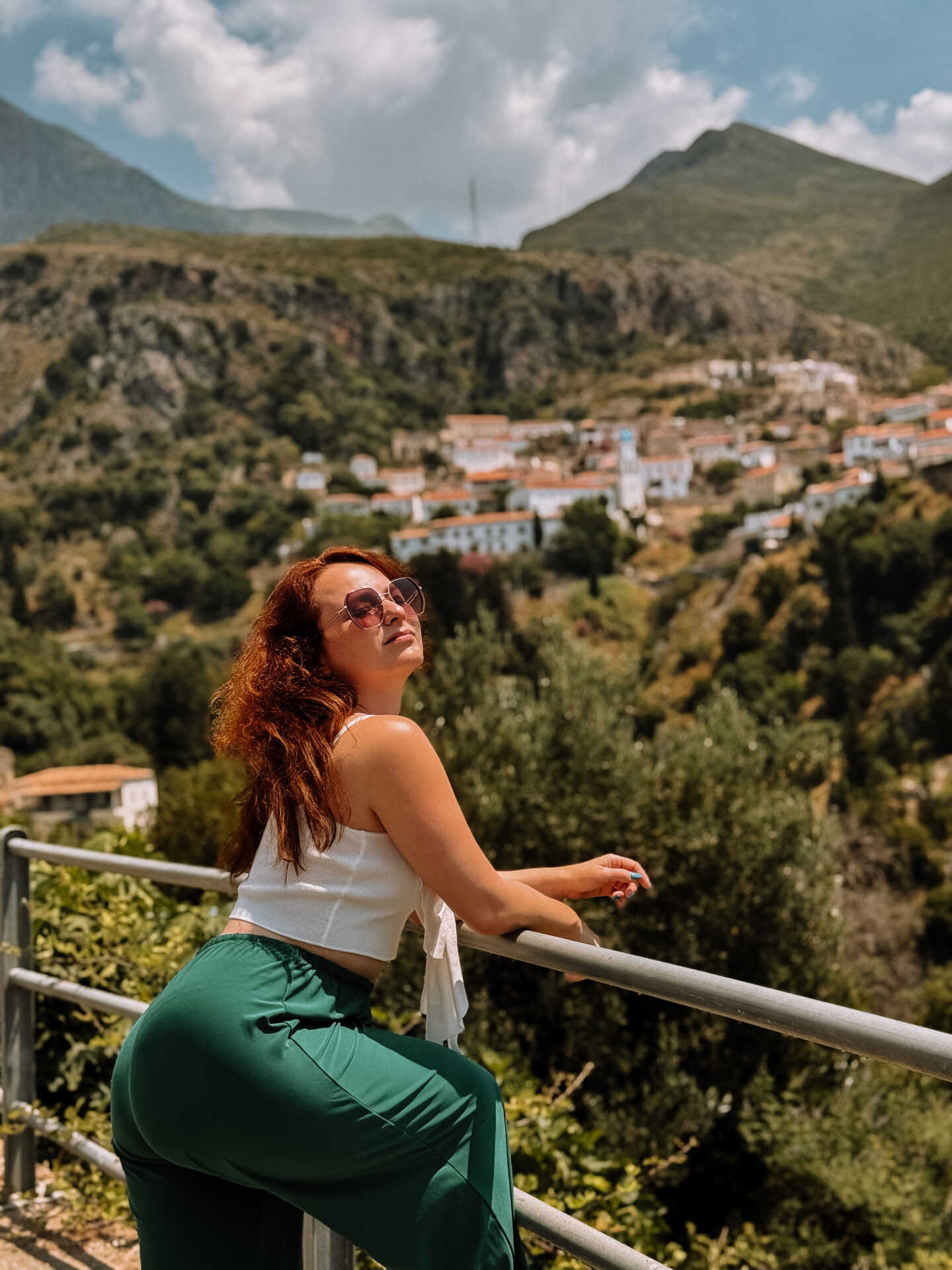
The drive from Vlora to Dhermi over the Llogara Pass is one of the most beautiful coastal roads I’ve ever taken. The winding serpentines lead through dense forests, and suddenly – after one turn – the deep blue of the Riviera opens up before you in a view that quite literally takes your breath away.
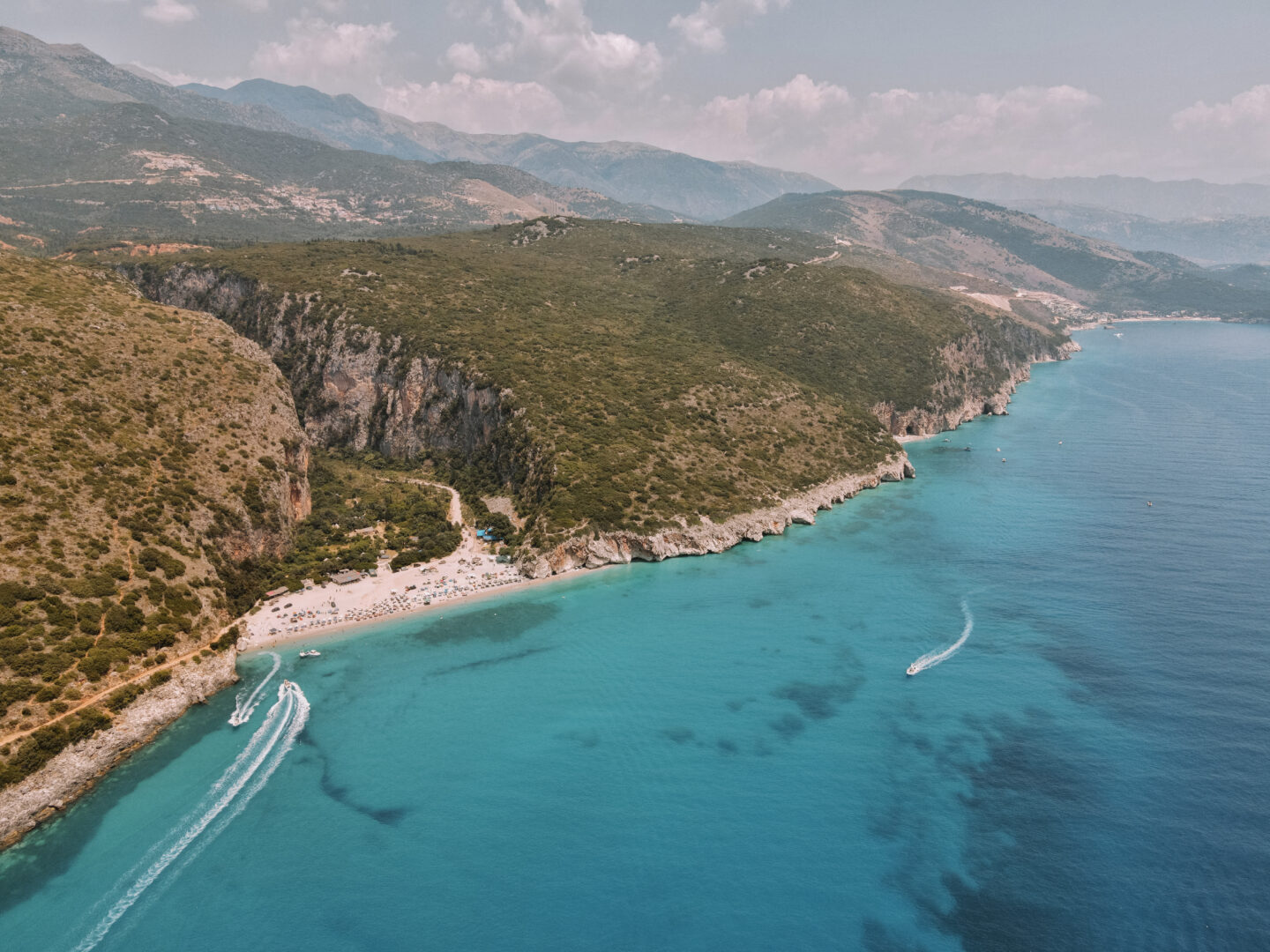
Dhermi itself felt pleasantly quiet and authentic. The beaches are pale and sandy, and the water is so clear you can see the rocks on the seabed from the shore. Perfect for a few hours of swimming, reading, or simply listening to the waves.
Nearby lies Gjipe Beach, accessible only on foot or by boat and often called one of Albania’s most beautiful beaches. I didn’t make it there this time, but I’ve heard from many travelers that it’s worth the effort.
Tip: If you want to combine beach time with seclusion, choose accommodation in the old hilltop part of Dhermi. Not only will you have a spectacular view of the sea, but you’ll also get a glimpse of traditional village life.
Himara – Slow Days by the Sea
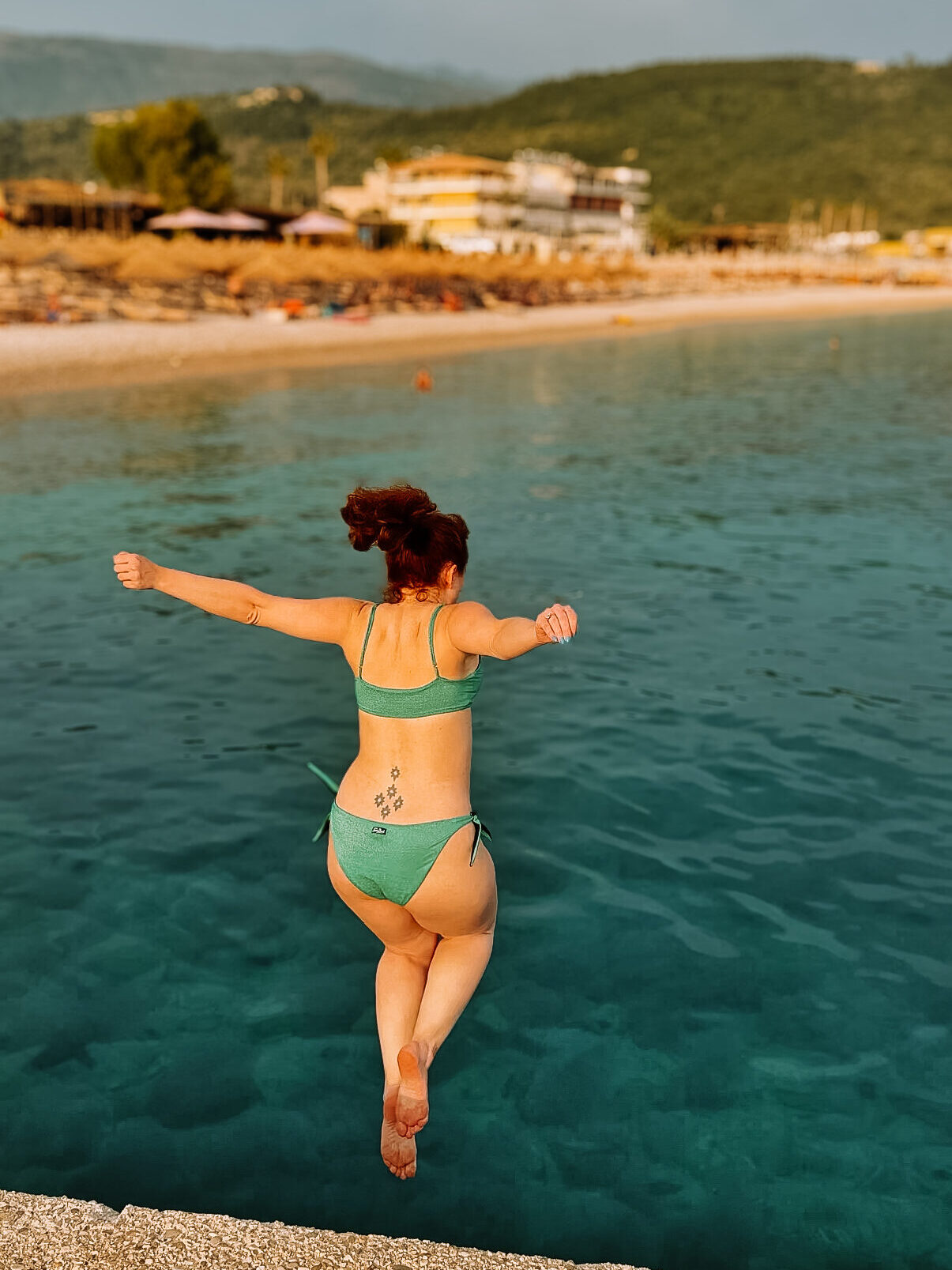
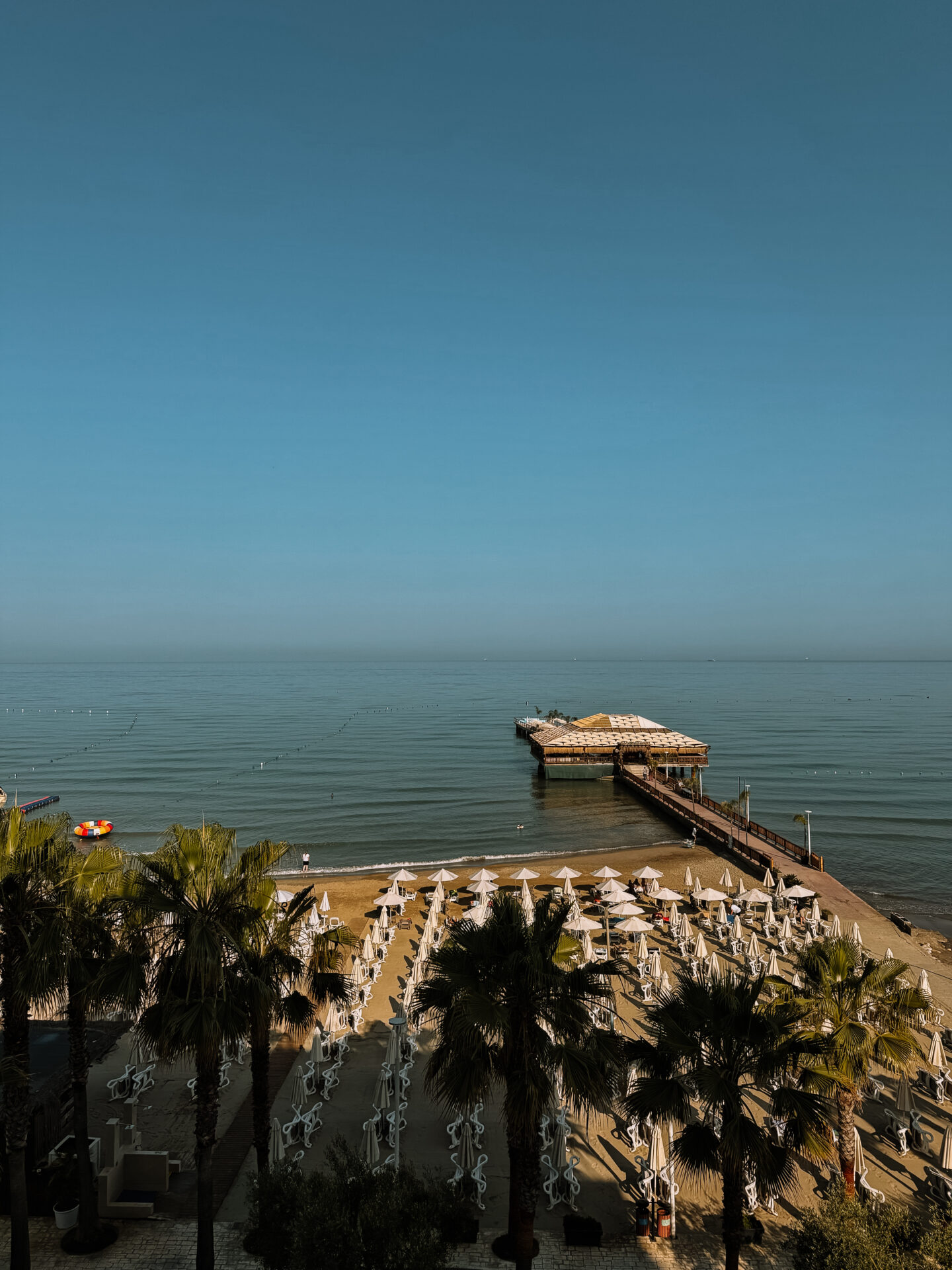
Himara is one of those places where time seems to move more slowly. The seafront promenade is lined with cafés perfect for whiling away hours while gazing at the sea. My favorite spot was Livadhi Beach – wide, long, and not crowded even in high season.
I loved that Himara has kept its original charm. You can still find family-run restaurants where grandma is in the kitchen and the grandson takes your order. A grilled octopus with olive oil and fresh bread from such a place will stay in my memory far longer than some fancy Michelin-star meal.
Between Livadhi Beach and the more hidden Aquarium Beach, in the village of Jala, there’s a small bar perched on a hill with a breathtaking view of the coast – go at sunset with a cold drink for the best experience.
In the evenings, it’s worth hiking up to the old Himara fortress. The climb is a bit of a workout, but the panoramic view over the coast at sunset is priceless.
Durres – Skippable in My Opinion
Durres was the only place in Albania that didn’t quite win me over. The historic center – with its amphitheater and Byzantine city walls – is interesting, but the seafront is heavily built-up. Rows of large hotels and sun loungers feel more like a package holiday destination on the Costa Brava.
As a stopover on a longer journey, Durres is fine – but if you have to choose between the coast and the mountains, I’d recommend the southern Riviera or the Albanian Alps without hesitation.
Kruja – A Step Back into the Middle Ages
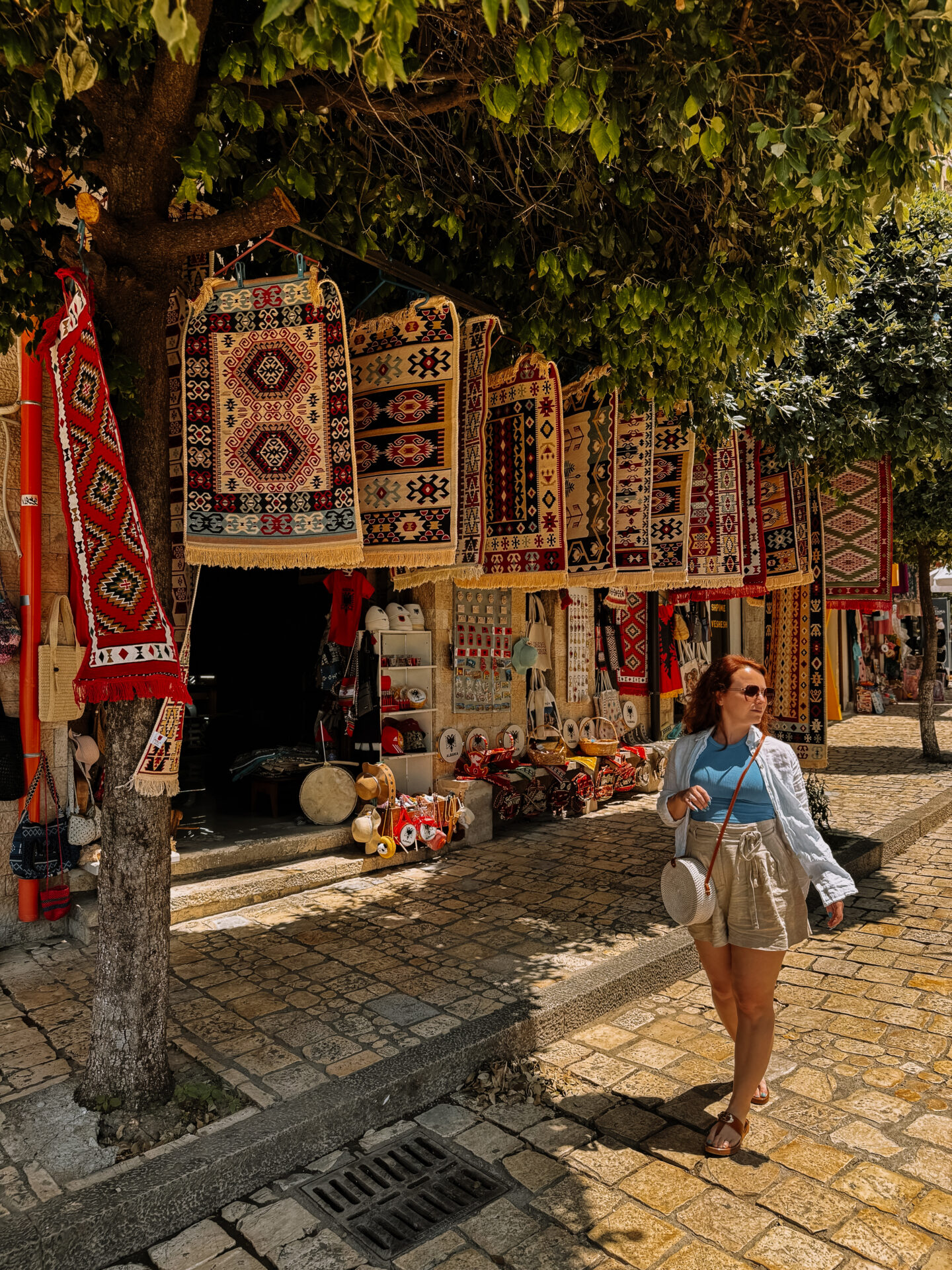
On the way to the Albanian Alps, I stopped in Kruja, a town that feels like a living history book. Walking through its bazaar, with cobblestone streets, handwoven carpets, copperware, spices, and traditional clothing, feels like stepping back in time.
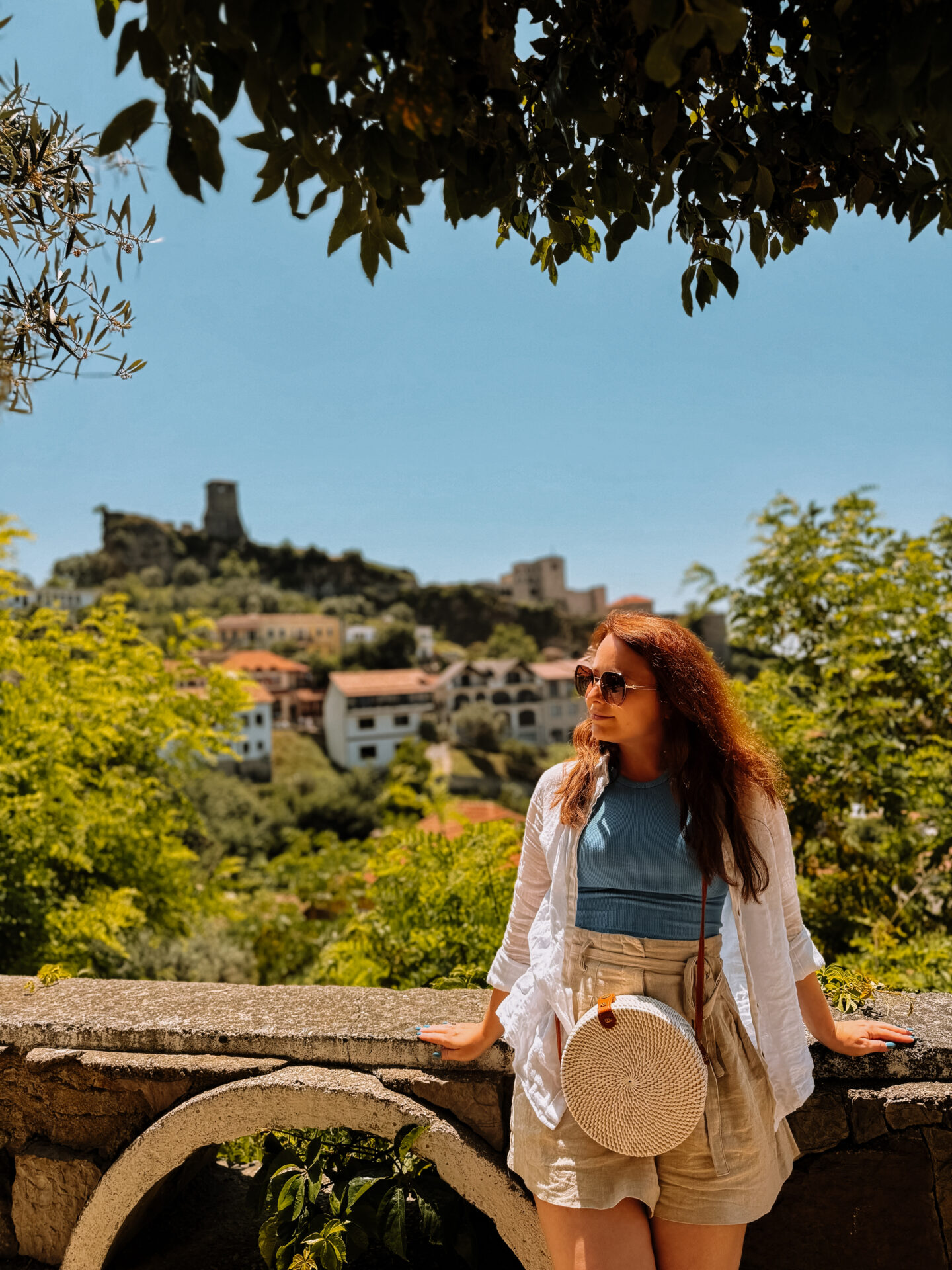
The castle towers above the town and houses the Skanderbeg Museum, telling the story of Albania’s national hero. Entrance: about 500 lek (€4–5) for adults. From the castle walls, the view stretches all the way to the coast – on clear days, you can even see the sea.
A great stop for both history lovers and photographers.
Theth – Into the Albanian Alps
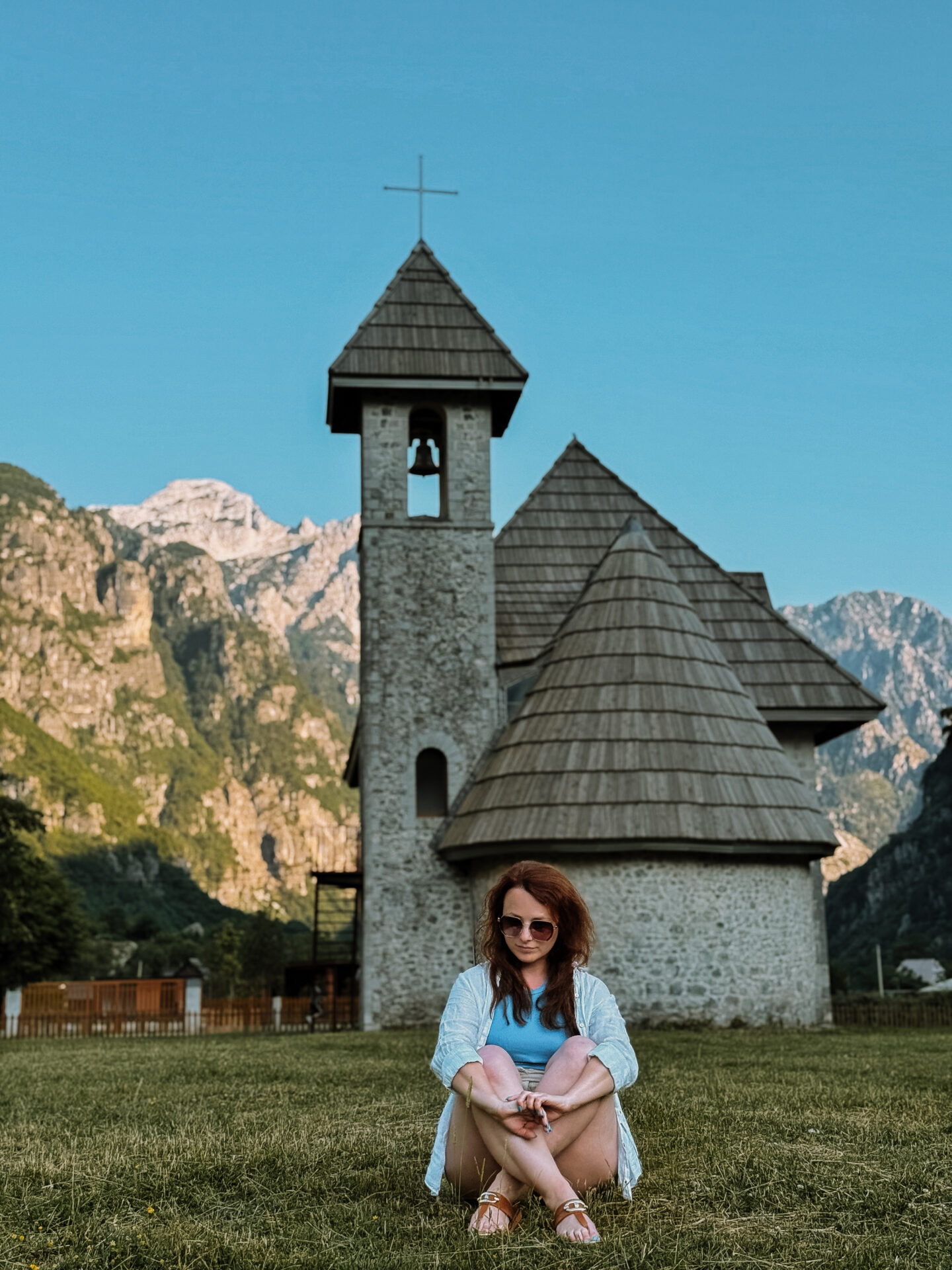
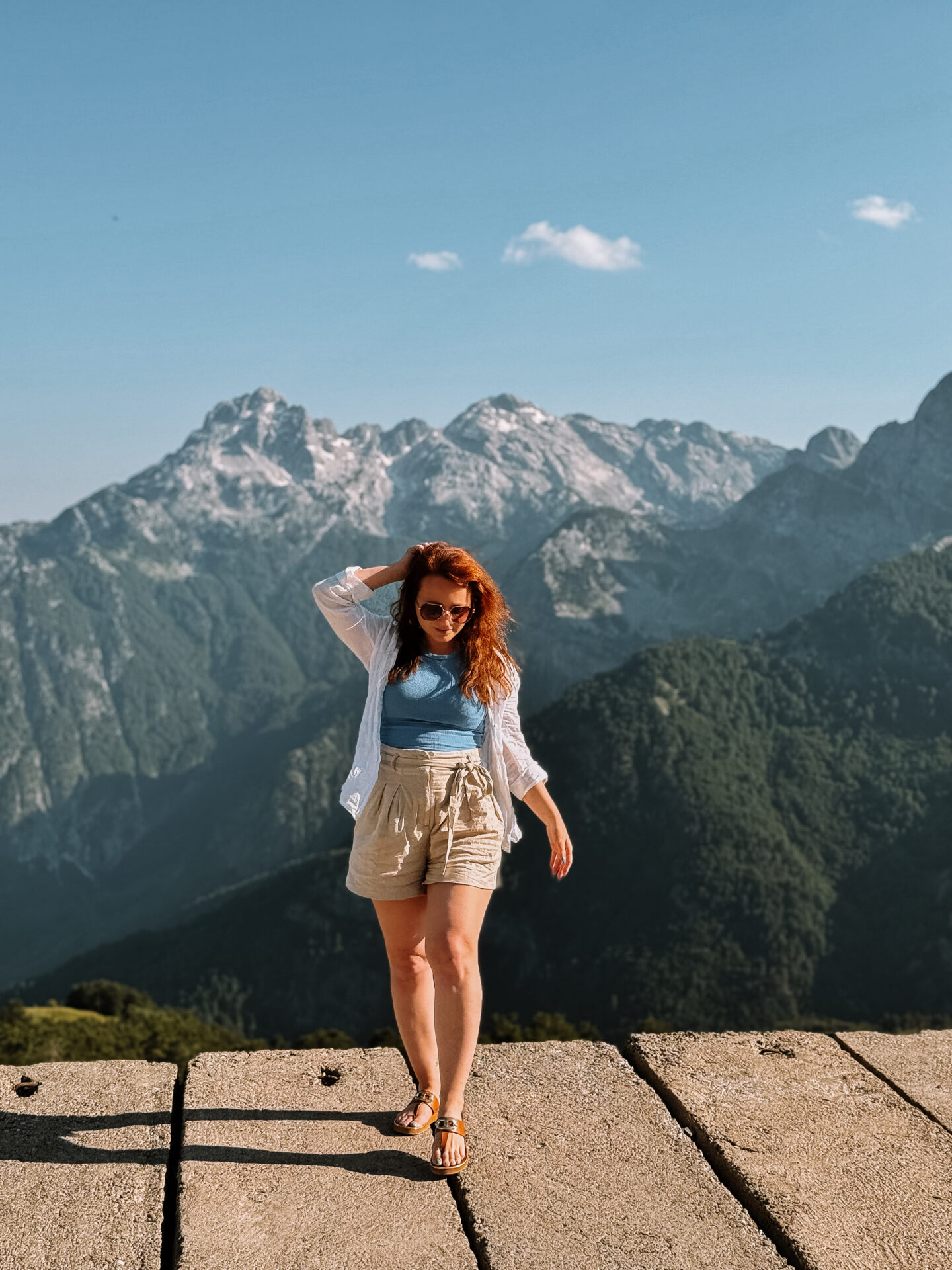
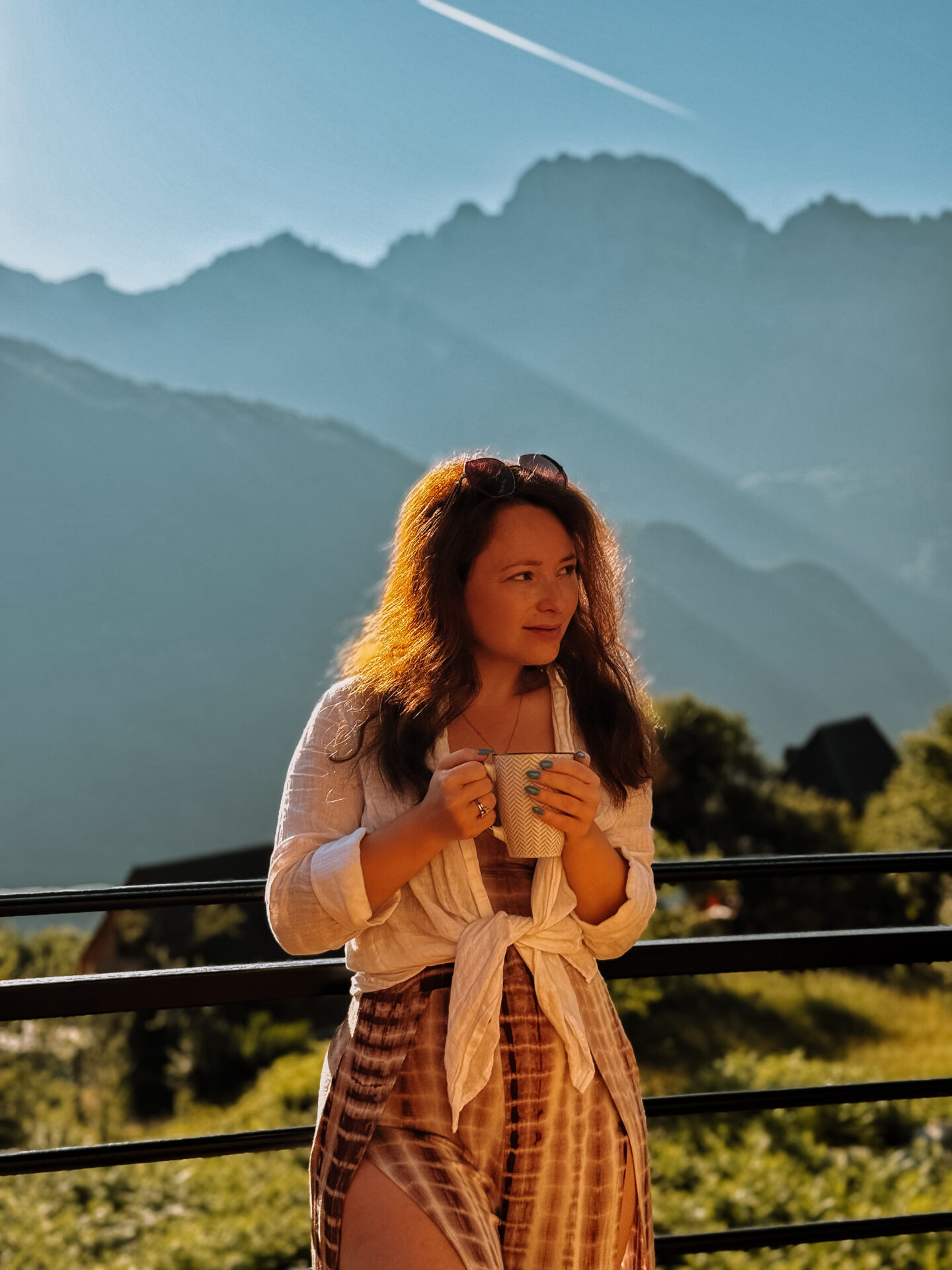
After days on the coast, arriving in Theth felt like stepping onto a different stage. The landscape grew wilder, the air cooler, the roads narrower. The drive itself is an adventure: tight switchbacks, spectacular views, and tiny villages that feel frozen in time.
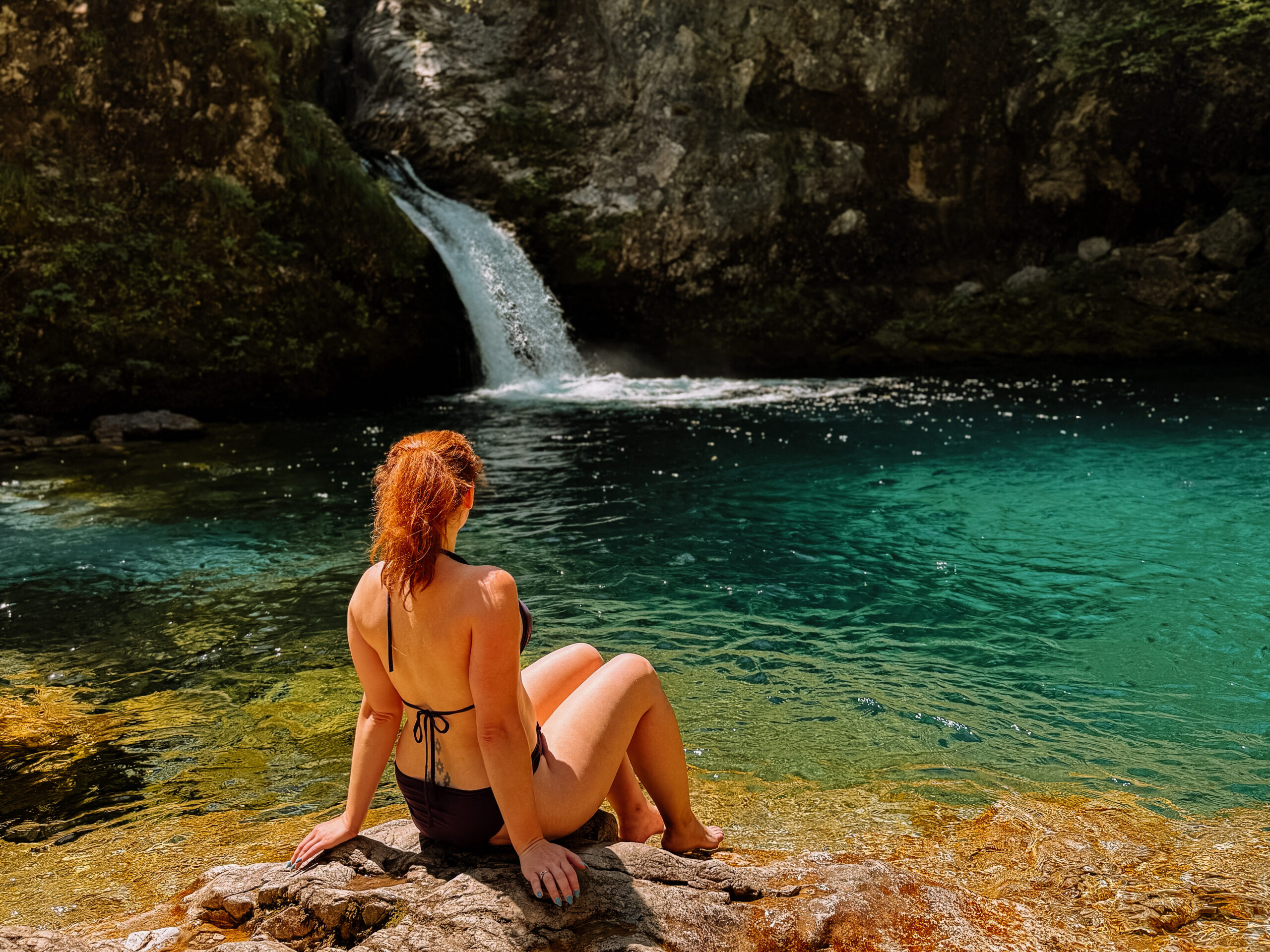
Theth is a paradise for hikers. I chose the route to the Blue Eye of Theth, a spring of crystal-clear, almost unreal turquoise water. The trail begins in the village of Nderlysaj, about an hour’s walk or 20 minutes by 4×4 from Theth. If you drive, you can park at the starting point for about €2. Tip: Drive all the way to the end of the paved road until you can’t go any further, and park there.
From here, the hike takes about 50–60 minutes each way. The path isn’t particularly well-marked, but it’s still fairly easy to follow. Along the way, you’ll cross wooden bridges, follow rushing rivers, and catch glimpses of rugged peaks.
The water is icy cold – an average of just 5–7°C year-round. Even dipping your feet in is a small challenge, but that’s part of what makes the place so special. Just above the spring, there’s a small café where you can take a break with a coffee or cold drink while enjoying the view of the turquoise water
The South of Albania – On My List for Next Time
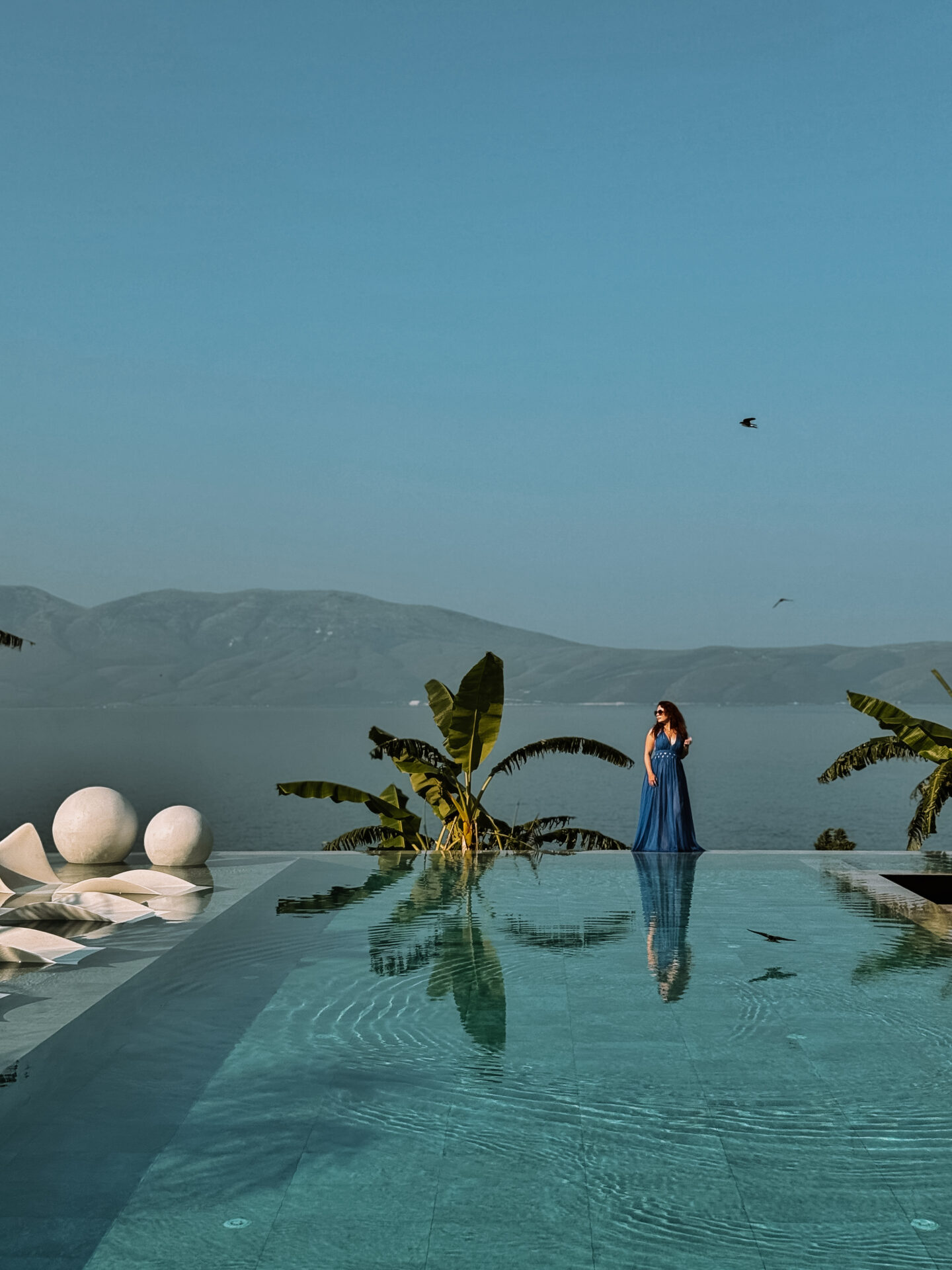
The southernmost stretch of the Albanian Riviera, around Saranda and Ksamil, is often described as a paradise for beach lovers – with white sandy coves, crystal-clear water, and scenery that could be mistaken for the Caribbean.
I didn’t make it that far south this time, but it’s right at the top of my list for my next trip.
It’s also very close to Greece: from Corfu, there’s a direct ferry to Saranda – perfect for avoiding the long drive from Tirana. Depending on the type of ferry, the crossing takes between 30 minutes (high-speed) and 1.5 hours (regular). Prices in the low season are around €20–25 per person one-way, rising to €30–35 in high season. Cars cost roughly €40–60 each way, depending on size.
This makes it easy to combine a trip with a stay on Corfu – while having the perfect base to explore southern Albania at a relaxed pace.
Best Time to Visit Albania
If you want sunshine, warm seas, and quiet beaches, aim for May–June or September–October. I visited in June – the sea was already pleasantly warm, the beaches still relatively empty, and daytime temperatures ranged from 25–30°C.
In July and August, coastal temperatures often climb well above 30°C – great for the beach, less ideal for long excursions or hikes. It’s also peak holiday season for locals and visitors from neighboring countries, so expect busy beaches and fully booked accommodations.
Spring (April–May) brings fresh greenery, mild weather, and blooming landscapes – perfect for city breaks, road trips, and mountain hikes. In the Albanian Alps, hiking season usually starts in late May or early June once the passes are free of snow.
Autumn (September–October) offers warm seas, plenty of sunshine, and colorful foliage in the mountains.
Winter is mild on the coast but cold and snowy inland and in the Alps. For winter sports enthusiasts, the mountains offer peaceful, almost untouched conditions – though tourist infrastructure is limited in this season.
Culinary Highlights – A Taste of Albania
Albania is a food lover’s paradise – not just because of the low prices. The cuisine is shaped by Mediterranean influences, fresh ingredients, and a balance between simplicity and refinement.
- Byrek – Flaky pastry filled with spinach, cheese, or meat; perfect as a snack on the go.
- Tavë Kosi – A baked lamb, rice, and yogurt dish – hearty, creamy, and distinctly Albanian.
- Fresh fish & seafood – Caught daily along the coast, often grilled and served simply.
- Fërgesë – A savory mix of peppers, tomatoes, cheese, and sometimes meat – baked until bubbling.
- Baklava – Sweet, sticky, nutty – a legacy of Ottoman cuisine.
- Raki – Homemade grape or plum brandy, often offered as a welcome drink.
Tip: Eat your way across the country – from street food in Tirana to freshly caught fish on the Riviera.
Practical Travel Tips
- Getting there: Direct flights to Tirana from many European cities.
- Transport: A rental car offers flexibility – roads can be narrow and winding, especially in the mountains.
- Currency: Albanian lek (ALL) – euros are rarely accepted; cash is important.
- Language: Albanian; many people speak English or Italian.
- Safety: Albania is considered safe – still, keep an eye on valuables.
- Internet: Cheap SIM cards (e.g., Vodafone, One) – ideal for navigation.
- Tap water: Usually fine in cities, but bottled water is safer elsewhere.
- Police checks: Fairly common – police often stand by the roadside and wave cars over, so always follow traffic rules.
My Hotel & Restaurant Recommendations
- Salt (Tirana) – Upscale restaurant with creative, modern cuisine.
- Tartufo (Tirana) – The cheapest truffle dishes I’ve ever had – and delicious, too!
- Hotel La Favorita (Tirana) – Central, clean, and great value for money.
- Bar Restaurant Marko (Vuno) – Stunning views, especially at sunset; fresh fish and local dishes.
- Chill Bar (Jala, between Livadhi Beach & Aquarium Beach) – Relaxed vibe with dreamlike coastal views, perfect for sunset.
- Vidis Chalet Boutique Hotel (Theth) – Book the suite with mountain view; stylish, cozy, and with breathtaking scenery.
Final Thoughts – Why Albania Surprised Me
Albania surprised me – in the best possible way. The contrasts between coast and mountains, vibrant cities, warm-hearted people, and a cuisine far too good not to indulge in made this trip truly special.
What impressed me most was the mix of authenticity and a sense of forward momentum. Some places feel frozen in time – with cobblestone streets, traditional markets, and landscapes that seem untouched. Just a few kilometers away, you’ll find hip bars, creative restaurants, and accommodations that can easily compete with other European destinations.
Perhaps it’s this very contrast that makes Albania so fascinating: hiking in the mountains in the morning, swimming in crystal-clear waters in the afternoon; grabbing street food for lunch, enjoying a fine dining experience for dinner – all in one country that, despite growing popularity, still feels like a genuine hidden gem.
One thing’s for sure: I’ll be back. And next time, I’ll finally make it to the southern Riviera – maybe paired with a side trip to Greece. Albania still has so many corners waiting to be discovered.