This post contains affiliate links. If you book or purchase through these links, I may earn a small commission at no extra cost to you. This helps support my work and allows me to keep creating detailed travel guides.
Montenegro had long been a vague spot on my travel map – a small country on the Adriatic I’d heard of, but couldn’t quite picture. When planning my Balkan road trip, adding it was more of a spontaneous decision. For more itineraries in this region, you can also browse my full collection of Europe travel guides here.
For years, Montenegro stood somewhat in the shadow of its better-known neighbors – unfairly, as I quickly discovered. This small country combines turquoise seas, medieval towns, and untouched nature within just a few hours’ drive. Between ancient fortresses, dramatic coastal roads, and charming bays, I found a place that instantly captured me.
In this post, I’ll take you along my route through Montenegro, share my favorite experiences, offer practical tips, and tell you about the places that truly stole my heart.
My route: Sveti Stefan – Budva – Lake Skadar – Kotor – Perast
Compact, contrasting, and incredibly diverse.
In This Guide
My Montenegro Road Trip Route
Sveti Stefan – The Iconic Postcard View
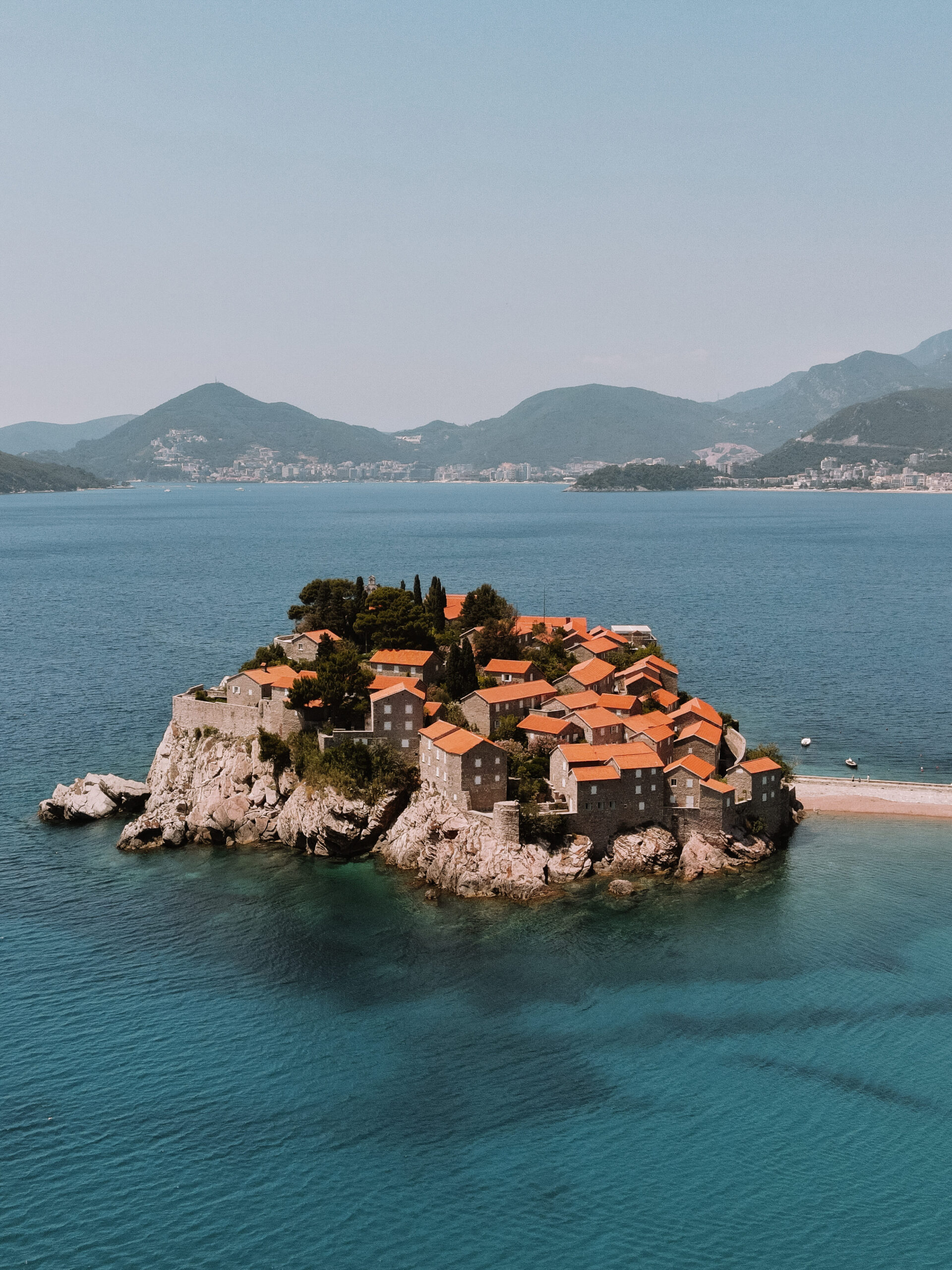
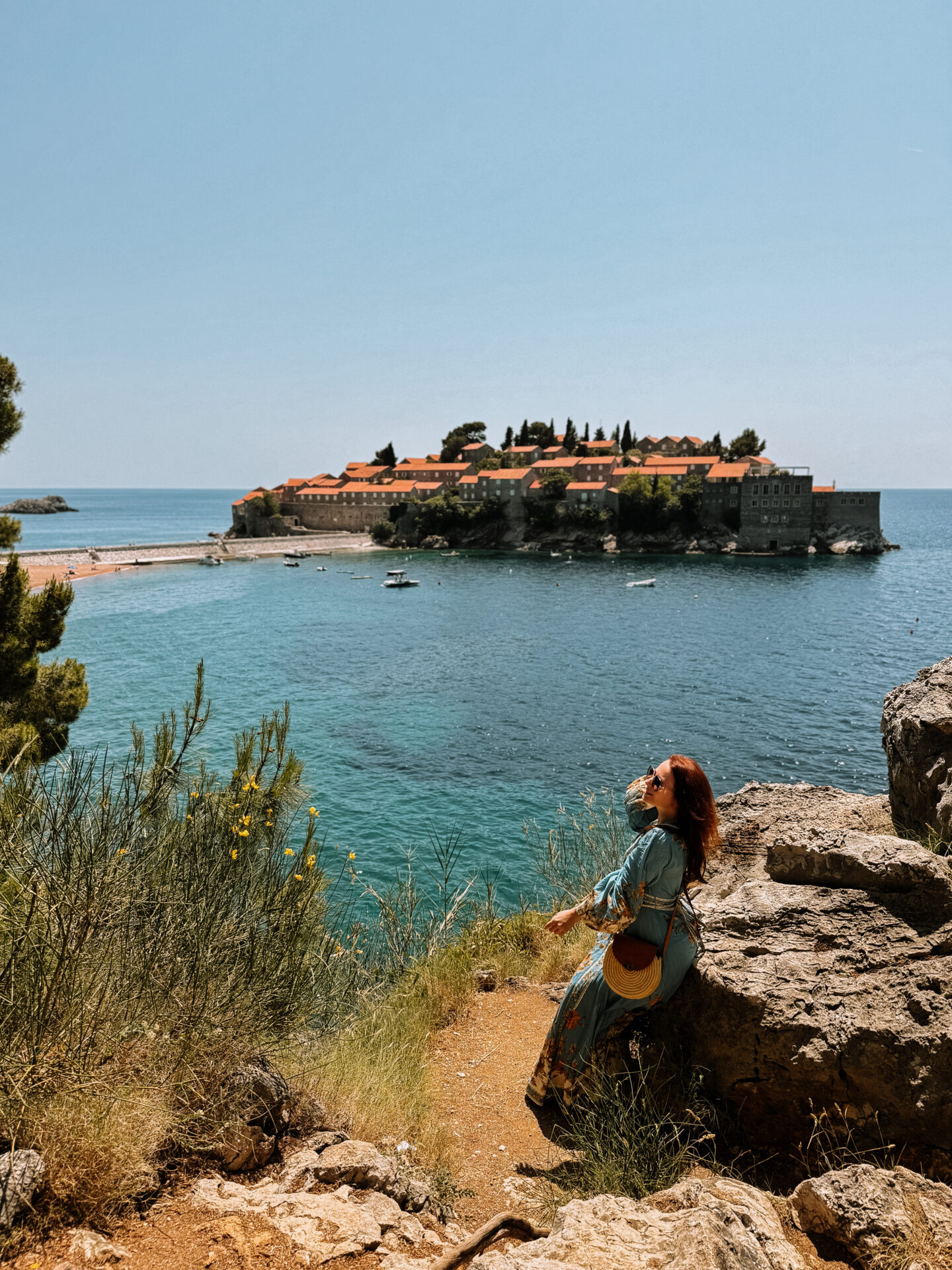
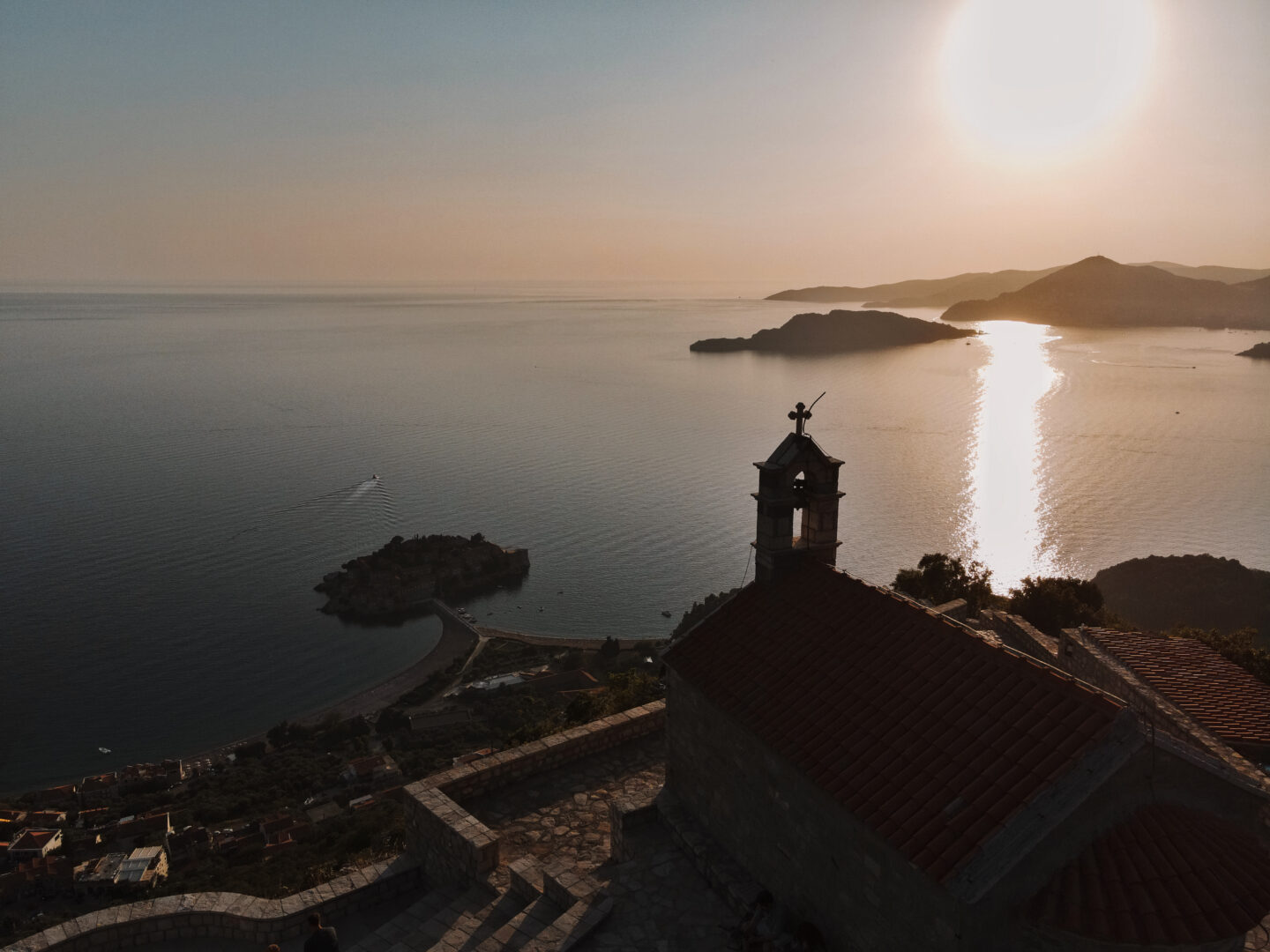
My journey began in Sveti Stefan, a tiny island that’s arguably Montenegro’s most famous postcard motif. The red rooftops, deep-blue sea, and narrow isthmus connecting it to the mainland look almost unreal.
The island itself is currently closed to the public, as it once housed the Aman Resort, which remains temporarily shut. But even from the coastal road or the nearby viewpoint, the sight is spectacular. Early morning or just before sunset, there’s a magical calm over the bay.
If you have a little extra time, take a stroll along Queen’s Beach, one of Montenegro’s prettiest stretches of sand, with fine grains and crystal-clear water. Or stop by the small village of Pržno nearby, where fishing boats sway gently in the harbor and cozy taverns line the shore.
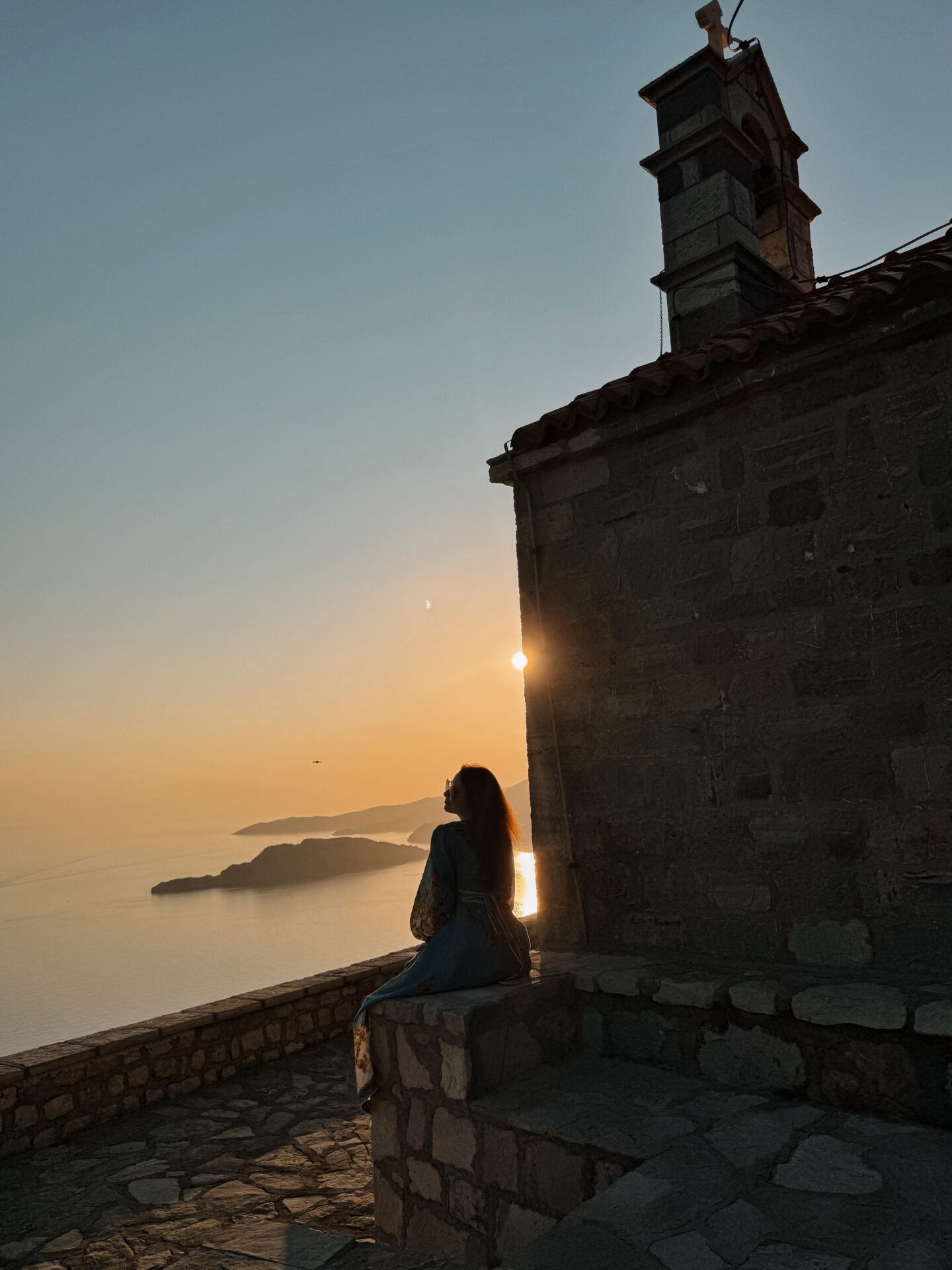
Just a few minutes uphill, between Sveti Stefan and Budva, you’ll find the small St. Sava Church – one of the best viewpoints along the coast. From here, you can see the entire shoreline and the island below, especially breathtaking at sunset. The road is easily accessible by car, with a small parking area right next to the church – perfect for a short photo stop.
Budva – Old Town Charm & Riviera Energy
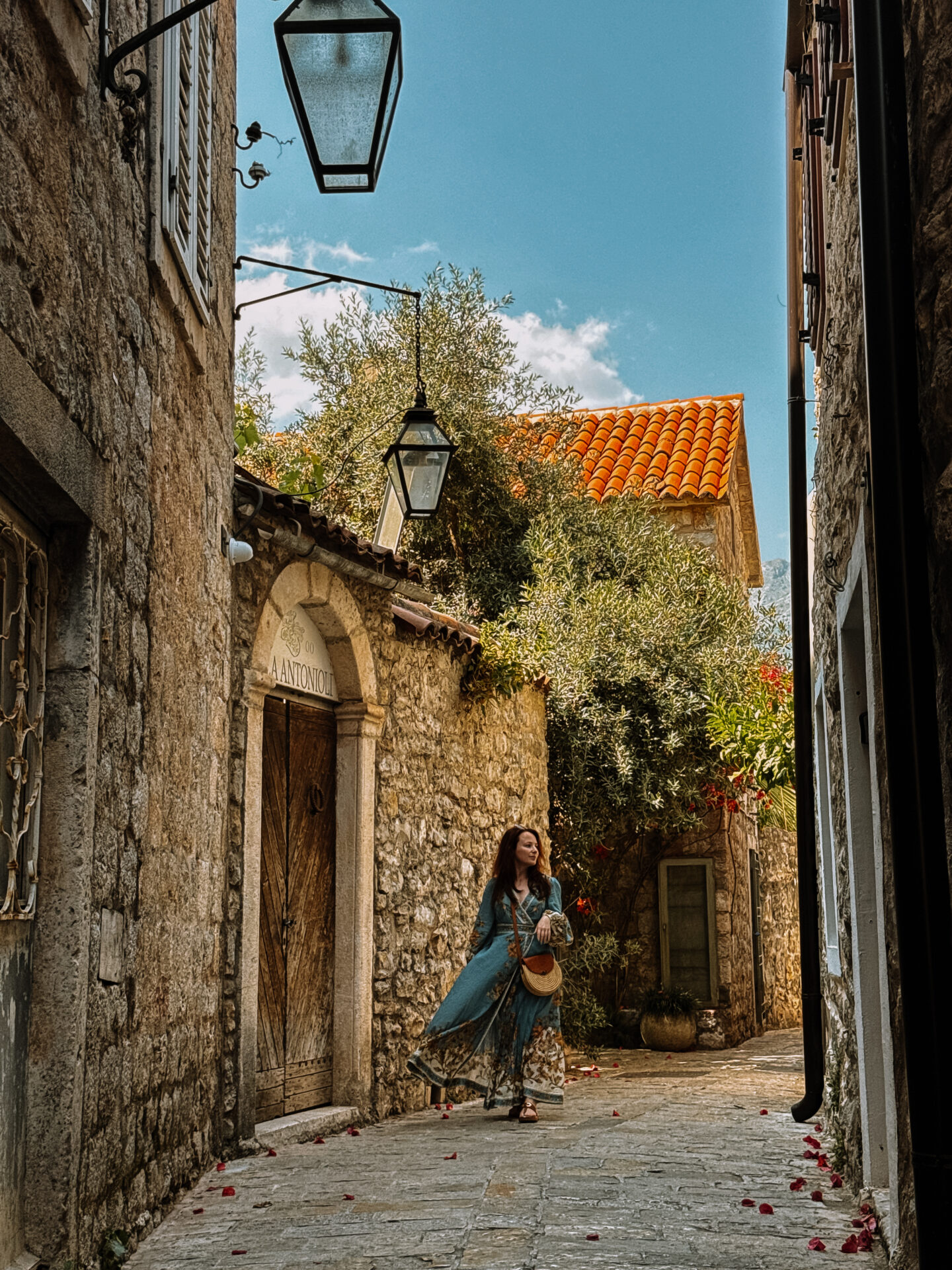
A few kilometers further north lies Budva, the liveliest city on Montenegro’s coast. Within its ancient walls, narrow alleys, and boutique-lined streets, life hums from morning till night.
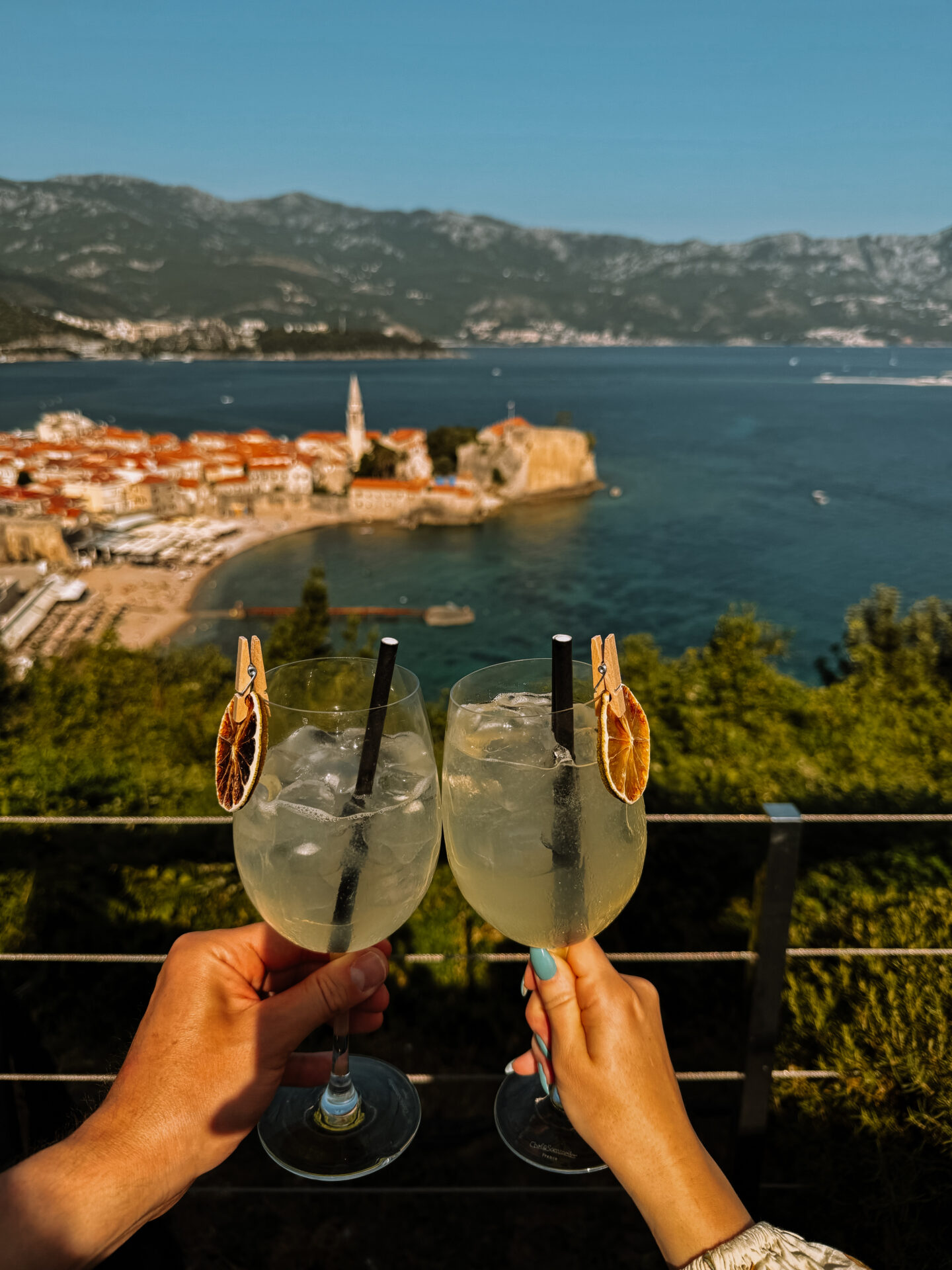
I wandered through the cobbled lanes, past cafés and small squares, until I reached the Citadel – an old fortress offering sweeping views over the rooftops and the sea. From up here, it’s easy to understand why Budva is often called the “Pearl of the Adriatic.” In late afternoon light, when the sun turns the stones golden, the city feels almost cinematic.
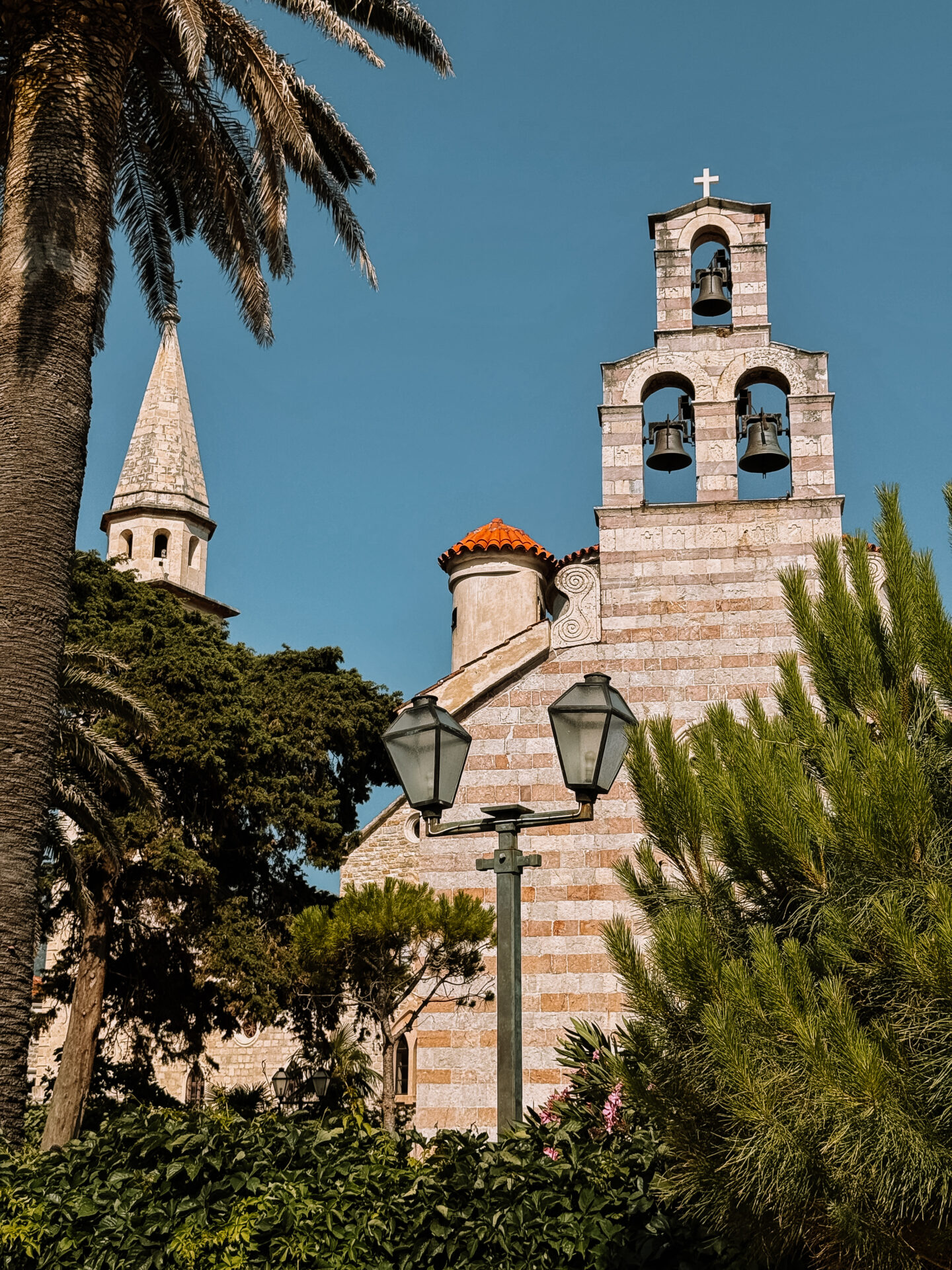
Though compact, Budva’s Old Town is full of little discoveries – churches like St. John’s or the Holy Trinity Church, hidden courtyards, ice-cream parlors, and boutique hotels tucked into centuries-old buildings. For dinner, I highly recommend Vista Vidikovac, a restaurant perched above the city serving classic Montenegrin dishes and offering a breathtaking view of Budva glowing under the evening sky.
Lake Skadar – Lilies, Islands & Endless Calm
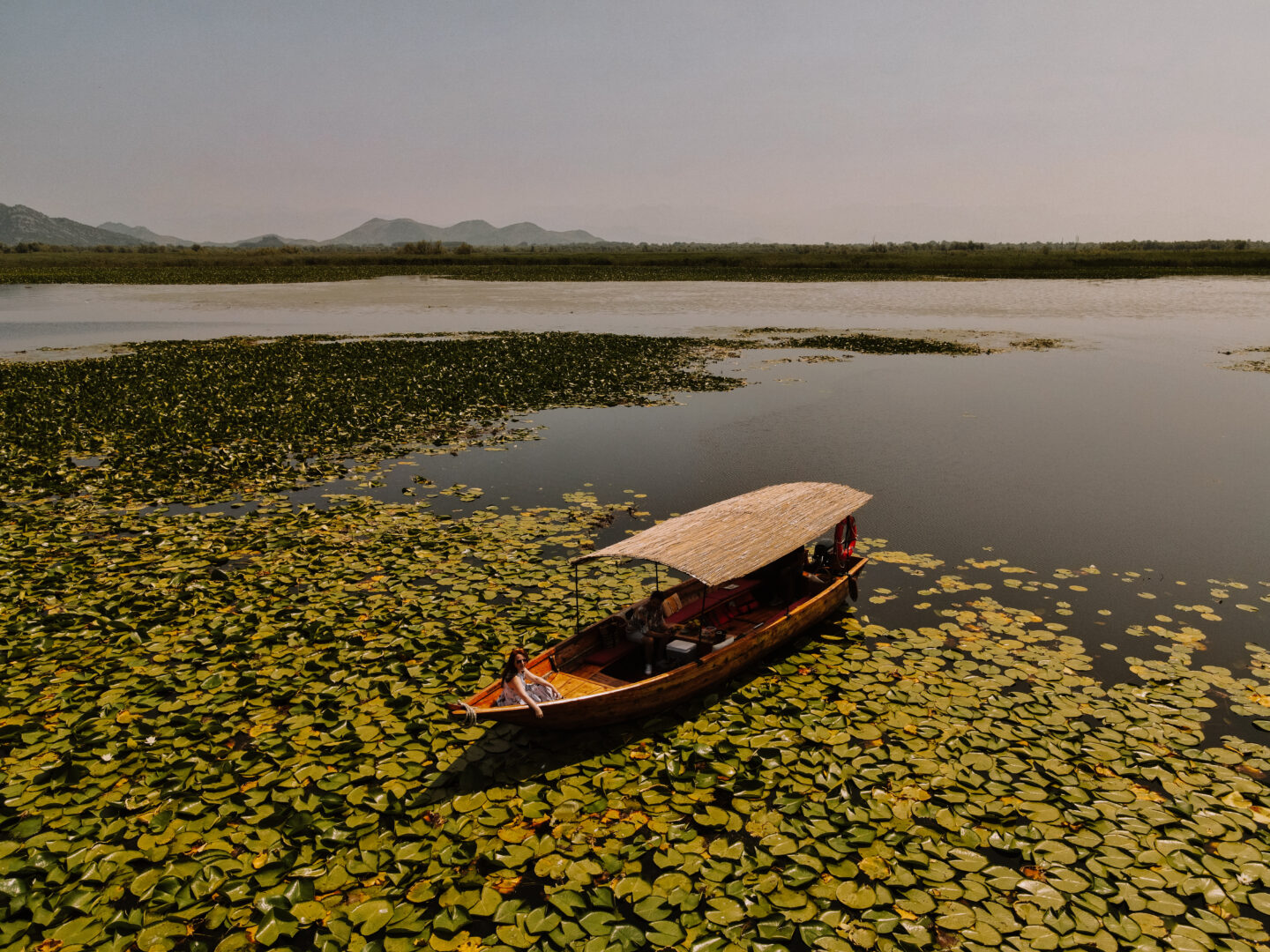
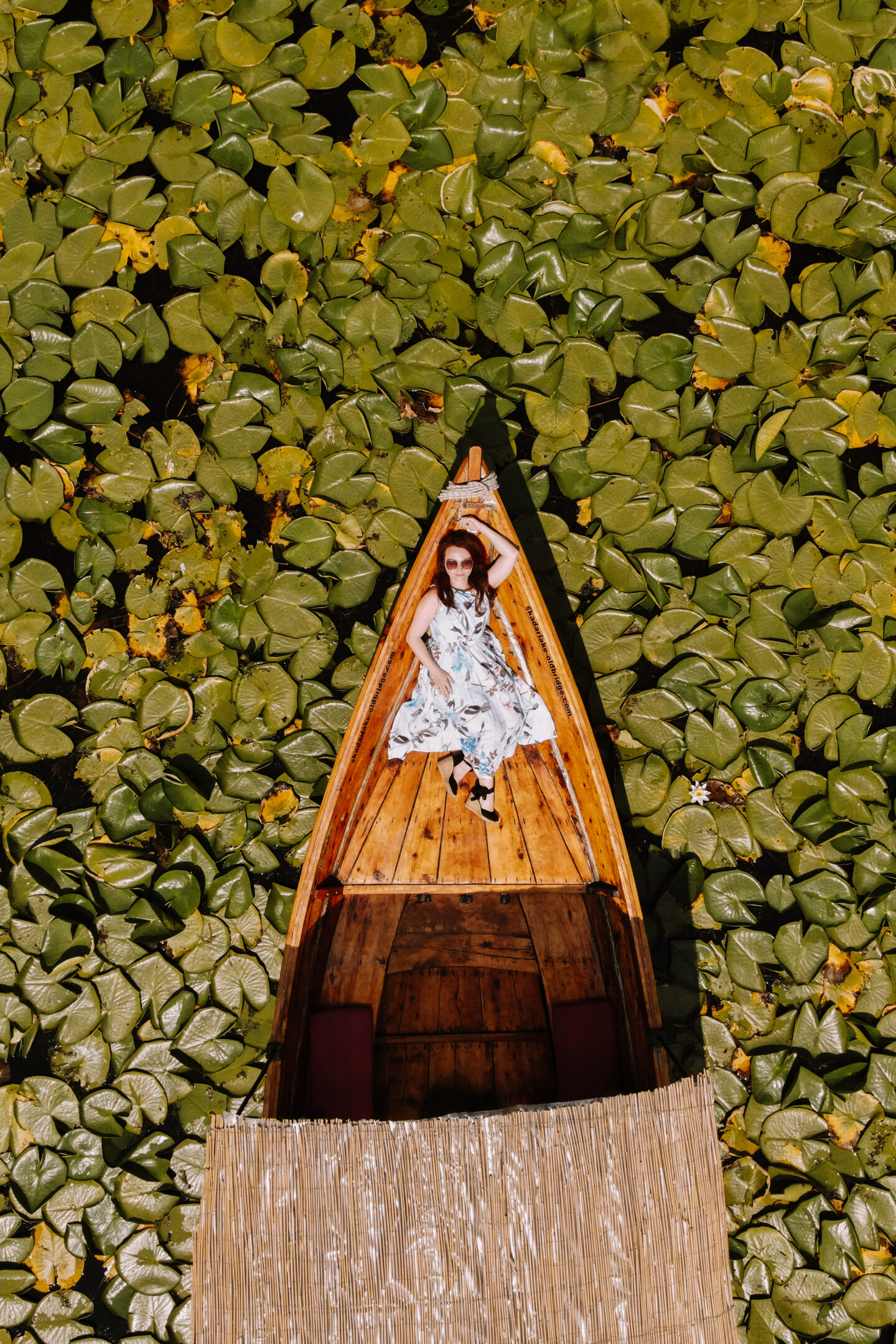
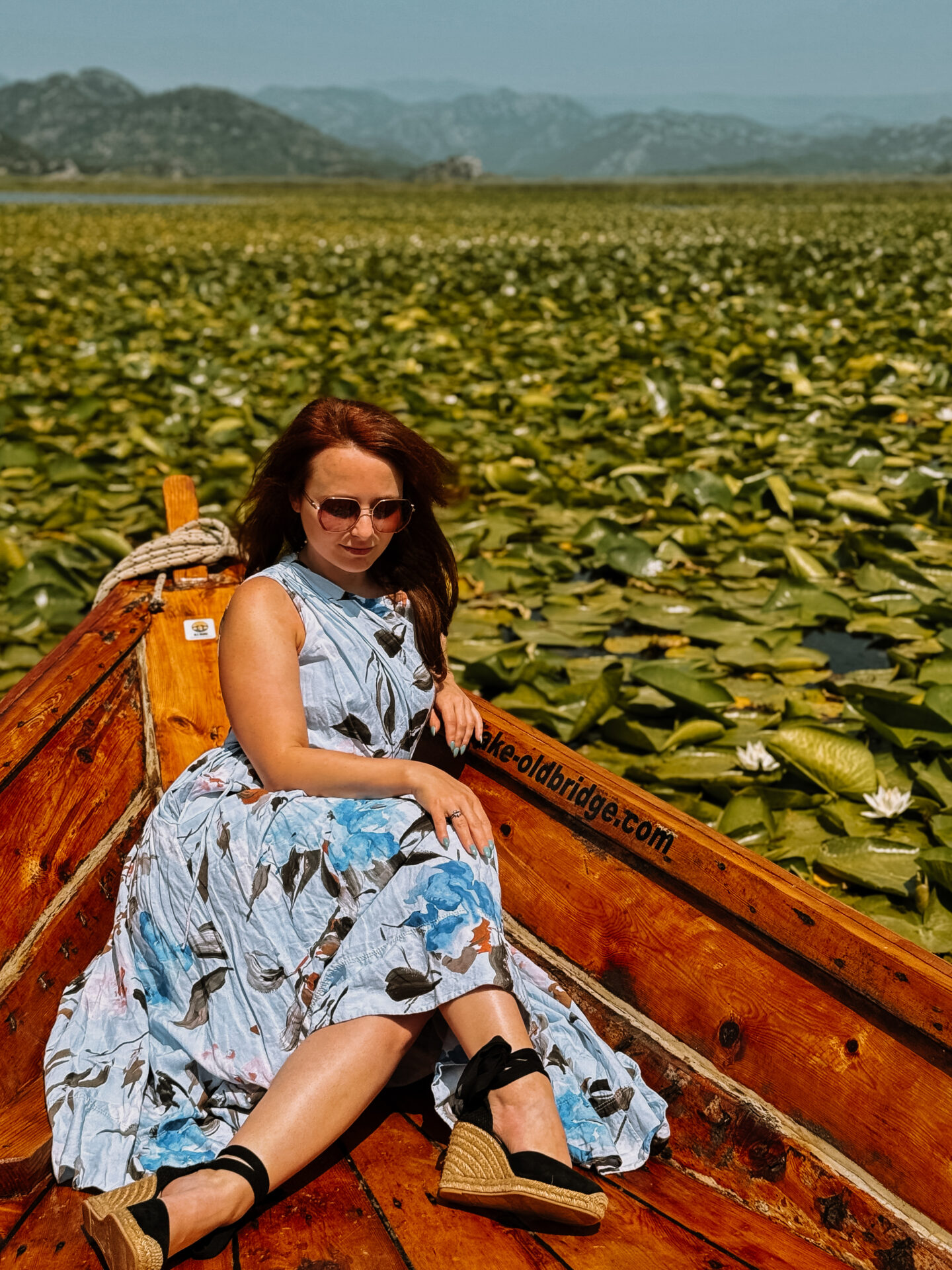
On the way to my next stop, I paused at Lake Skadar, one of the largest lakes in the Balkans. Its calm waters are framed by water-lilies and mountain ridges, with tiny fishing villages scattered along the shore.
The highlight was a two-hour boat tour in late morning. Under the sun, the water shimmered like glass, and the surrounding mountains reflected perfectly on its surface. The route passed small monastery islands, bird colonies, and floating fields of lilies – a peaceful, almost meditative journey through Montenegro’s green heart.
The most popular base here is Virpazar, a charming little village where most tours depart. Around the pier, you’ll find plenty of restaurants and souvenir shops selling local honey, wine, olive oil, and cheese – a lovely spot for a short break before heading back to the coast.
If you have more time, make sure to visit the Pavlova Strana Viewpoint – one of Montenegro’s most photographed panoramas, where the Crnojević River winds through the landscape in a perfect emerald loop.
Kotor – History Meets a Fjord Setting
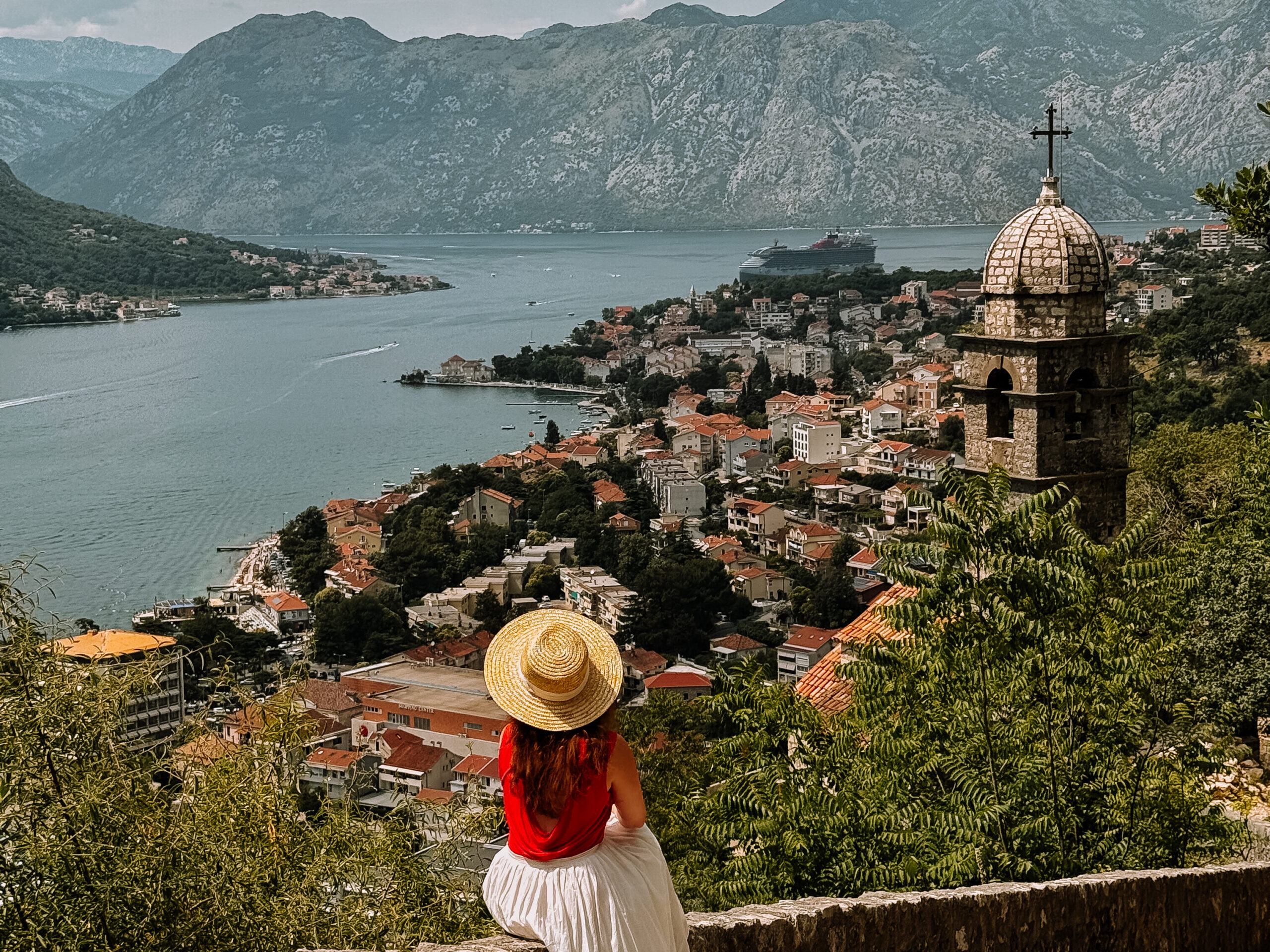
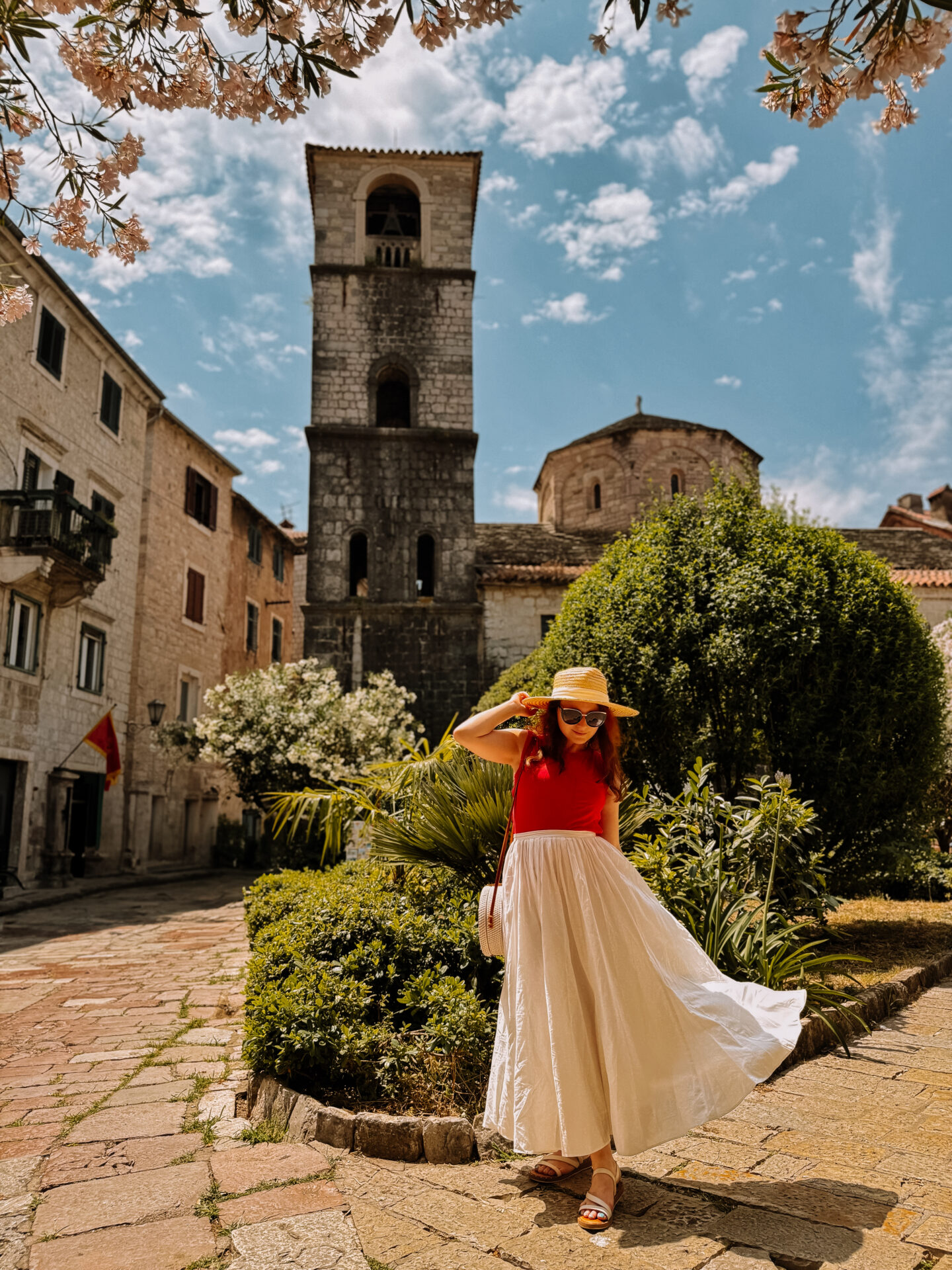
Back on the coast, things got livelier again. Kotor, nestled in a fjord-like bay surrounded by mountains, is one of the country’s most captivating towns. Its UNESCO-listed Old Town is a maze of stone alleys, tiny squares, cafés, and churches.
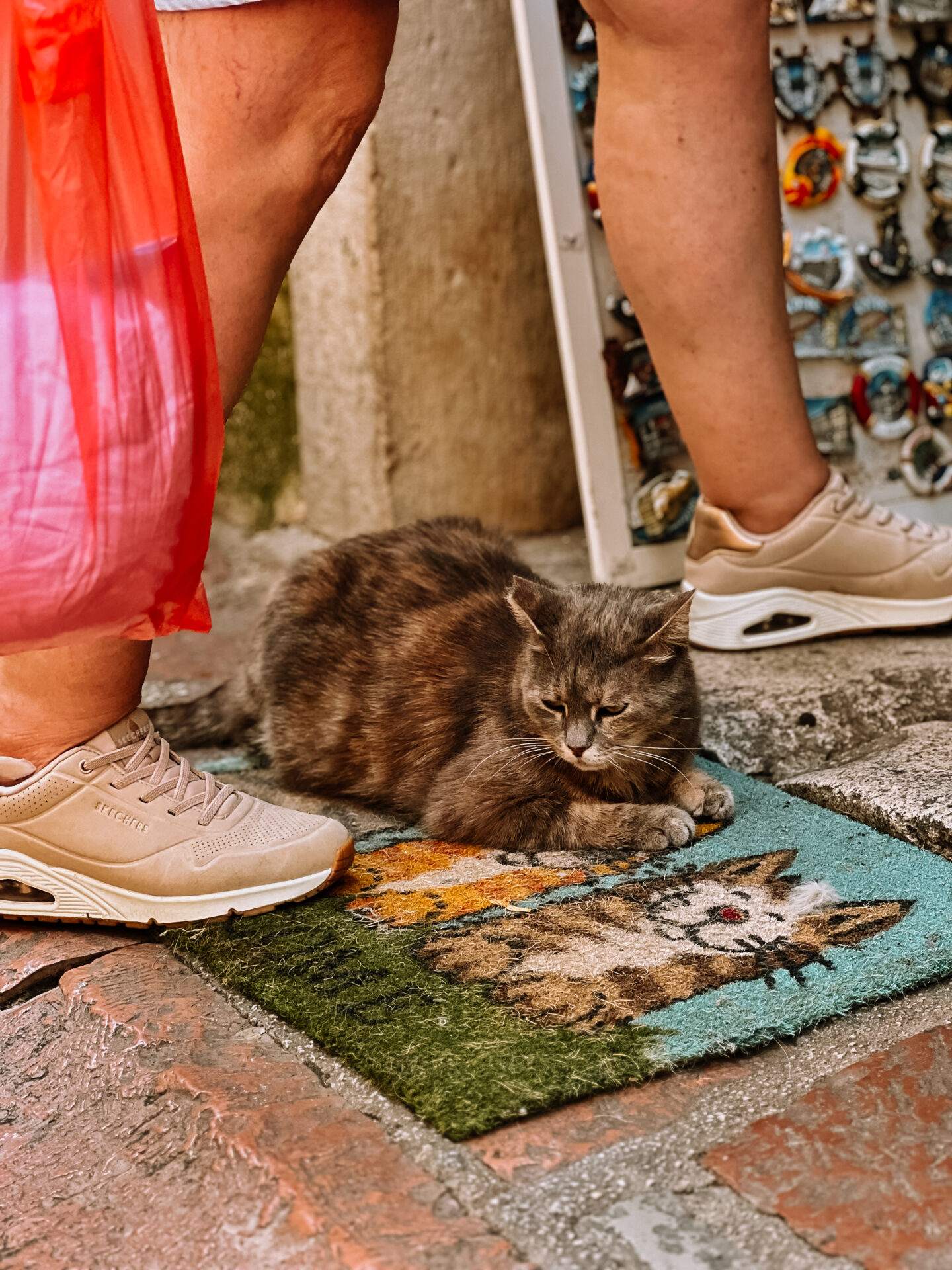
I spent hours just wandering, petting the local cats (they’re practically the town’s mascots) and looking up at the fortress walls climbing steeply up the mountainside.
The hike to the San Giovanni Fortress is a classic – about 1,300 steps to the top, with a breathtaking view over the bay. Entry currently costs €15 per person, payable in cash or by card. The small ticket booth sits just outside the Old Town, right before the path begins.
If you prefer to take it slow, there are smaller lookout points along the city walls offering equally beautiful views without the full climb.
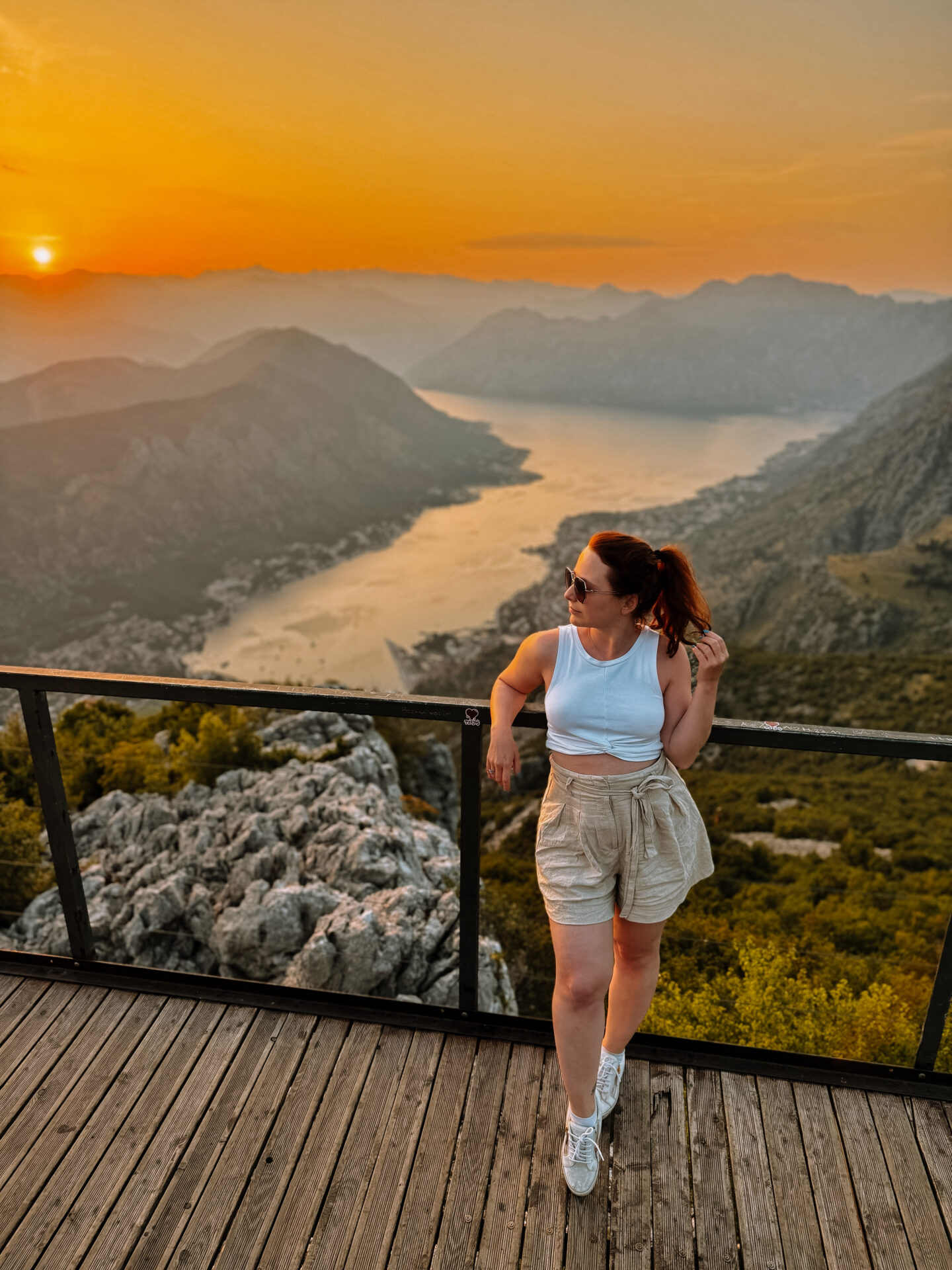
In the afternoon, head to the Horizont Restaurant & Bar high above the bay – one of the most scenic viewpoints in Montenegro, perfect for a sundowner or quick sunset stop. Despite the name, it’s more of a small café-shop than a full restaurant, serving simple drinks and snacks with an unforgettable view. Cash only, so bring a few euros.
Tip: Parking in Kotor can be tricky. Spaces are limited, so it’s best to arrive early, especially on days when cruise ships are docked.
Perast – Baroque Beauty on the Bay of Kotor
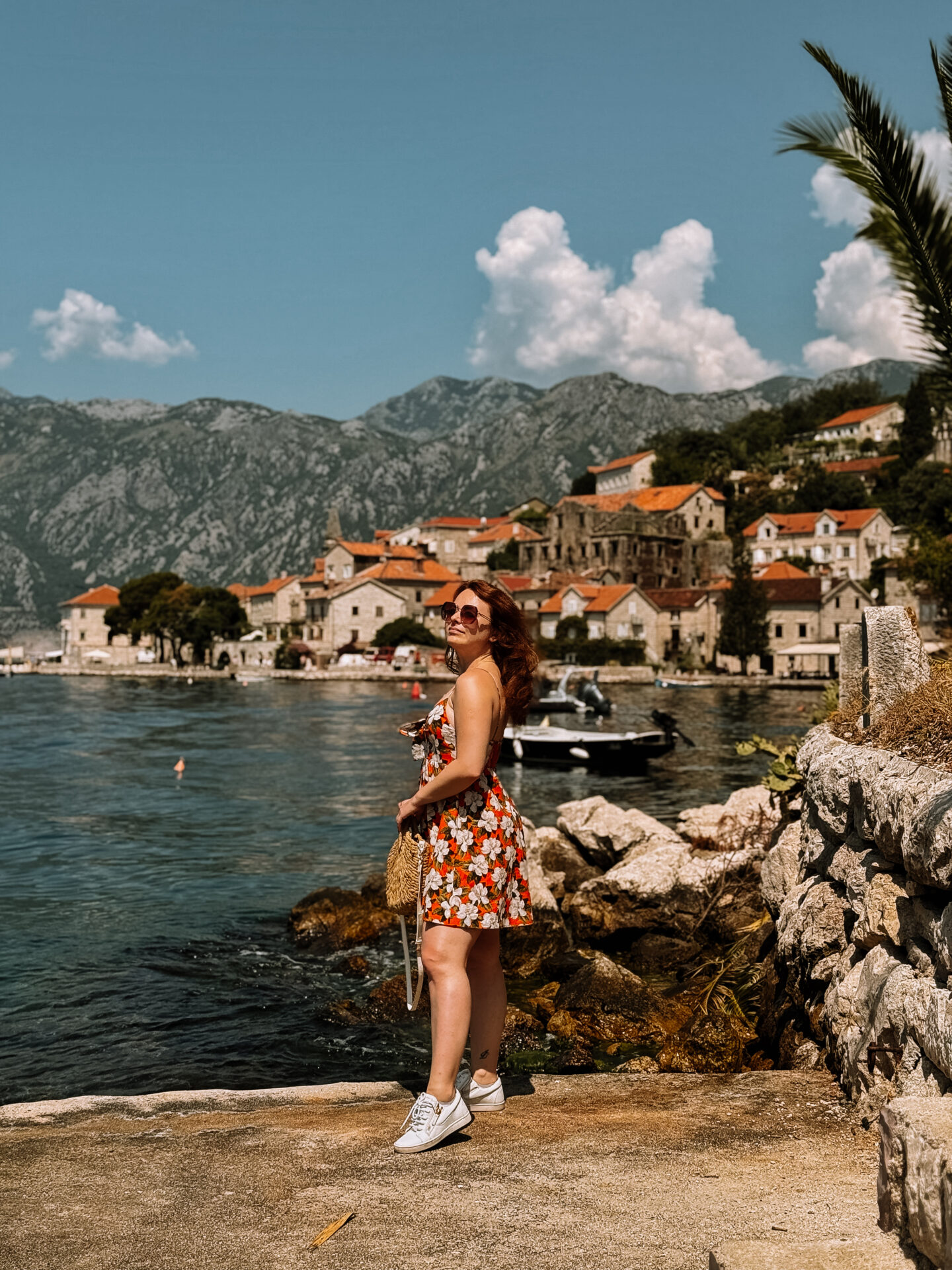
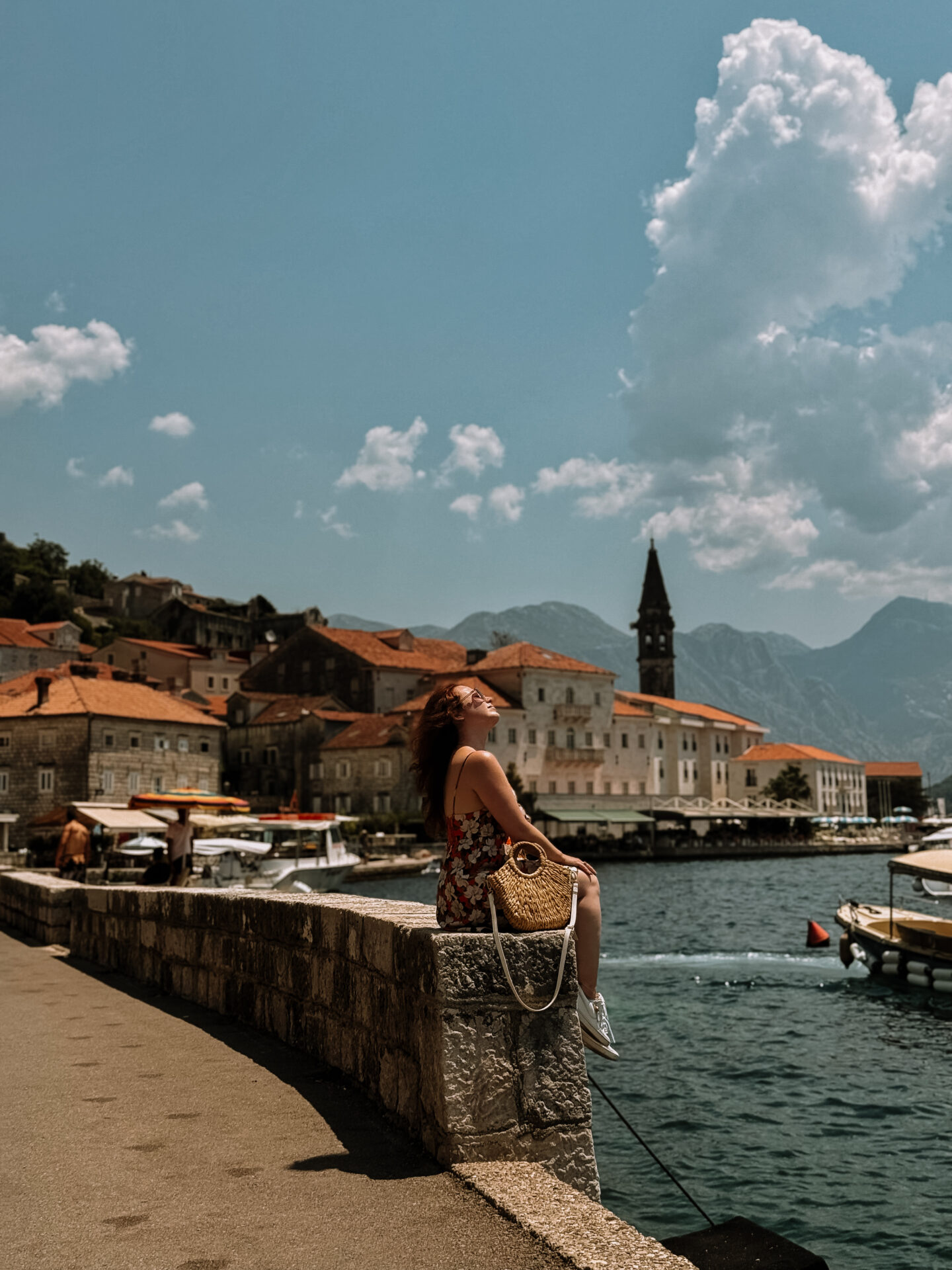
I ended my trip in Perast, a tiny baroque town right on the water where time seems to stand still. Stone palaces, narrow lanes, and small boats drifting between the islands give the place a serene, timeless charm.
The town is car-free, adding to its peaceful atmosphere. You simply stroll along the promenade, hearing the clinking of cutlery and the gentle splash of oars in the bay.
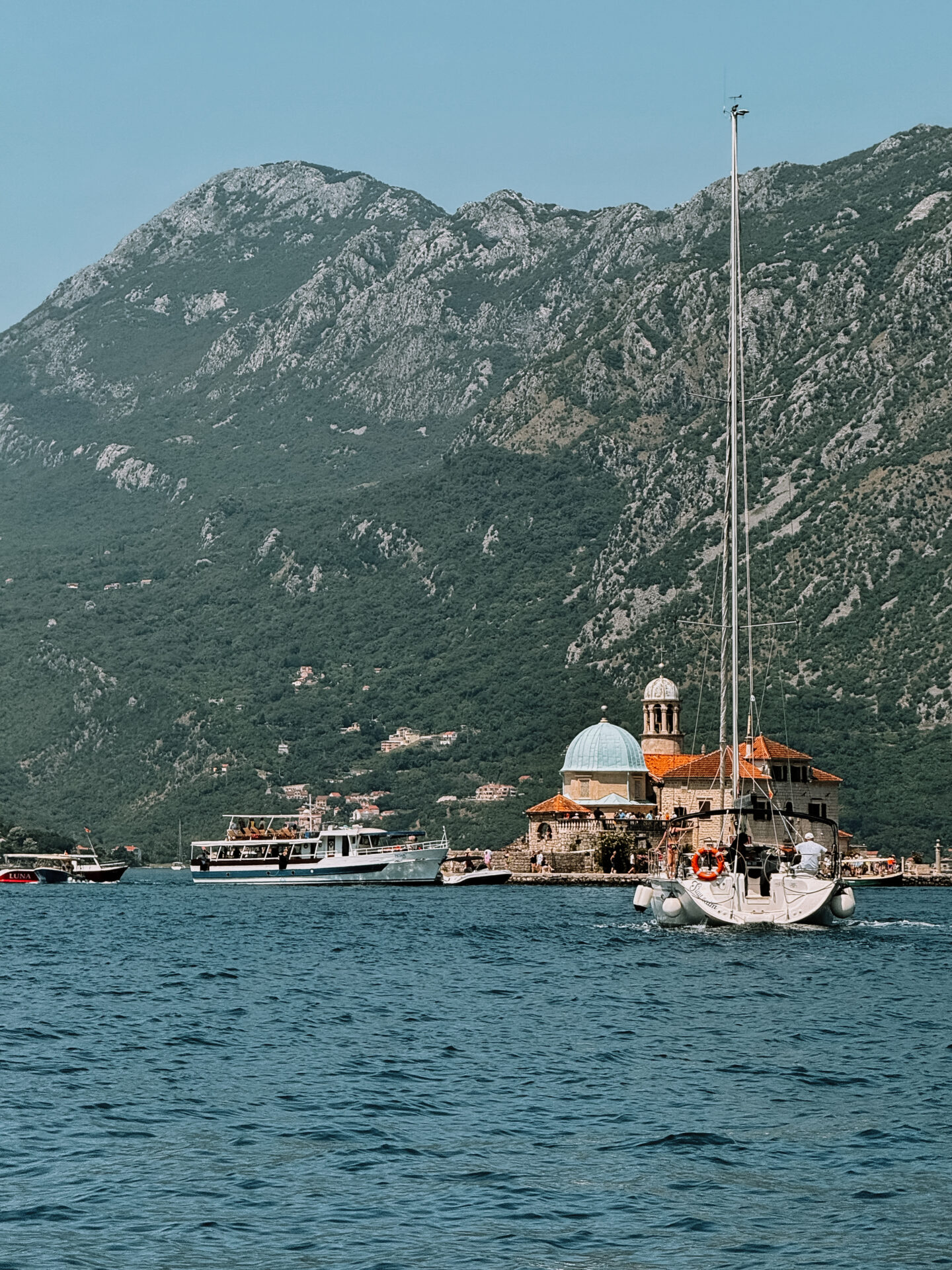
Just offshore lies Our Lady of the Rocks, a small church on an artificial island that can be reached by boat – a lovely short trip in the afternoon. The island’s history dates back to the 15th century and makes it one of the bay’s most photographed spots.
For an elevated view, climb the bell tower of St. Nicholas Church in the center of town. The entrance fee is €1 per person (cash only), and the short climb rewards you with a stunning panorama over the rooftops, the bay, and the two islands – especially beautiful in the late afternoon light.
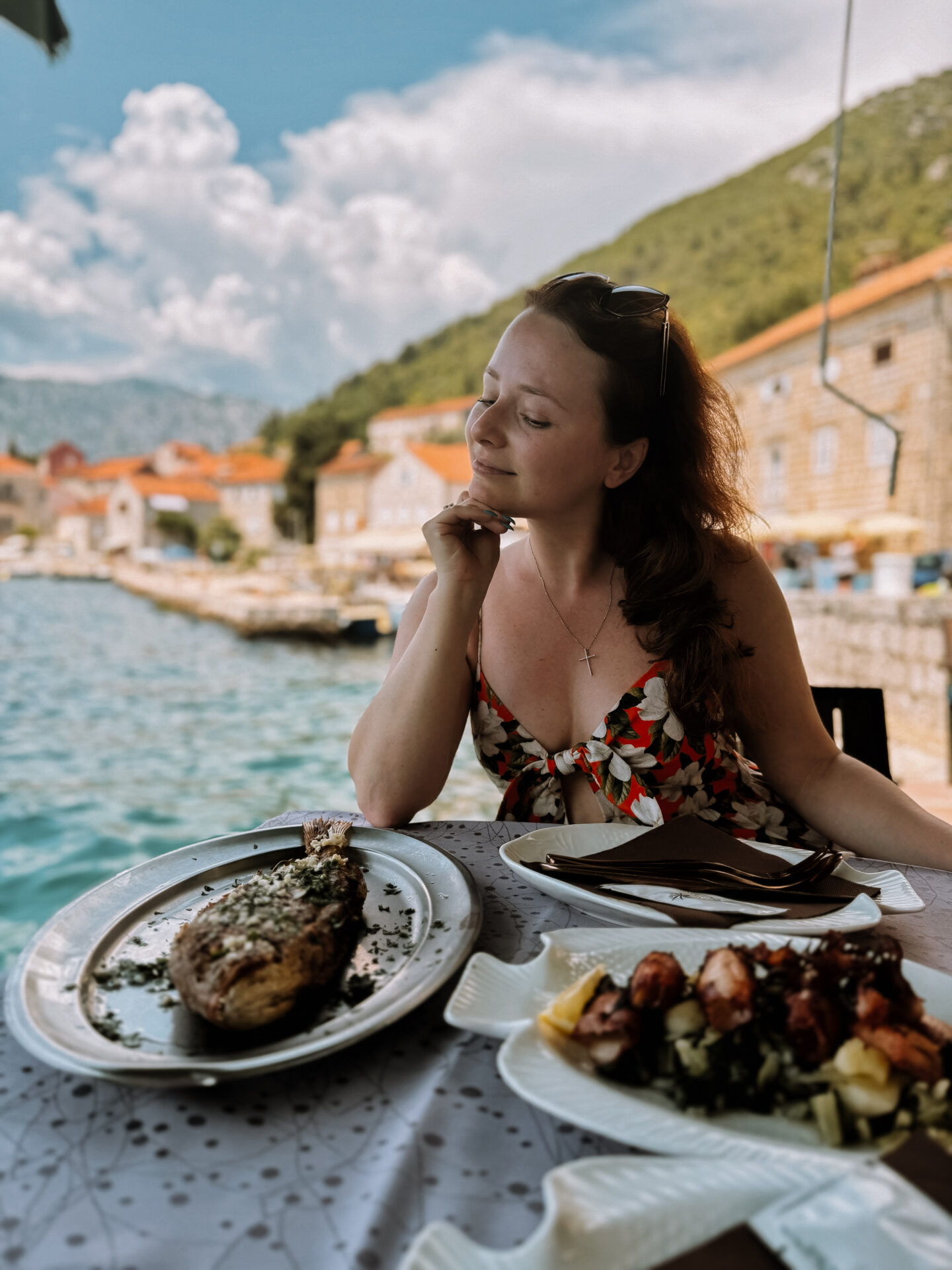
For lunch, I recommend Armonia Perast Restaurant – Mediterranean cuisine, fresh fish, and one of the most romantic waterfront views in the entire bay. A perfect way to end the journey. And if you love atmospheric old towns and timeless architecture, you may also enjoy my Paris guide.
Montenegro’s Hinterland – Saved for Next Time
On this trip, I focused mainly on the coastline – from Sveti Stefan and Budva to the Bay of Kotor. But Montenegro has so much more to offer beyond its dramatic Adriatic views. Next time, I’ll head inland: to rugged mountains, national parks, and traditional villages that feel a world away from the coast.
At the top of my list is the Durmitor National Park in the north – a UNESCO World Heritage Site of deep canyons, glacial lakes, and breathtaking mountain roads. The Tara Canyon, one of the deepest in Europe, is perfect for rafting in summer.
Also worth exploring: Biogradska Gora National Park, home to one of Europe’s last primeval forests, and Cetinje, Montenegro’s former royal capital, rich in history, monasteries, and old-world charm.
For those who love nature and adventure, the hinterland offers amazing opportunities for hiking, biking, and kayaking, often far away from the crowds – a perfect counterpart to the coast and a completely different side of Montenegro.
If you enjoy compact Balkan road trips with a mix of coast and mountains, you might also like my Albania road trip guide.
Best Time to Visit Montenegro
The best time for a road trip through Montenegro is between May and October, depending on what kind of experience you’re after.
In spring, the landscape bursts into color. Temperatures are mild, towns are still quiet, and there’s often snow on the mountain peaks – a beautiful contrast that makes it perfect for combining hiking, road trips, and sightseeing.
Summer is all about Mediterranean life: beach days, open-air cafés, and lively evenings by the sea. It’s also the busiest time of year, especially in July and August, when the Adriatic towns are at their liveliest.
By autumn, things calm down again. The sea remains pleasantly warm, days are sunny, and the countryside turns golden – ideal for travelers seeking warmth and serenity without the crowds.
I visited in June, which felt like the perfect balance: warm enough for swimming, long sunny days, and still not overwhelmingly busy. Prices, however, are already at high-season levels by then, especially along the coast, where hotels and restaurants adjust their rates from June onward.
Culinary Highlights
Montenegro blends Mediterranean, Balkan, and Italian influences into simple yet deeply flavorful dishes.
- Fish & Seafood: Freshly caught, usually grilled with olive oil and lemon.
- Njeguški Pršut: Air-dried ham from the mountain village of Njeguši.
- Ćevapi & Pljeskavica: Classic Balkan-style grilled meats.
- Vranac: A bold local red wine – perfect at sunset.
My tip: Dine in small family-run restaurants, away from the main roads. They’re often where you’ll find the best food and the warmest hospitality.
Practical Travel Tips
- Arrival: Direct flights connect many European cities to Podgorica or Tivat. Montenegro also pairs well with trips to Albania, Croatia, or Bosnia & Herzegovina.
- Transport: A rental car gives maximum flexibility. Roads are generally good but can be narrow and winding, especially along the coast or in the mountains – allow extra time. Many old towns, like Perast, are car-free.
- Currency: Montenegro uses the Euro (€). Credit cards are widely accepted, but cash is still handy for small restaurants, parking, or boat tours.
- Language: The official language is Montenegrin, very similar to Serbian, Bosnian, and Croatian. English is widely spoken in tourist areas, often Italian as well.
- Safety: Montenegro is considered very safe. Still, don’t leave valuables in cars, especially at beaches or viewpoints.
- Internet: Local SIM cards (M:tel, One, or Telenor) are inexpensive and have good coverage – great for navigation or posting on the go. An eSIM is often the easier option: easy to activate online, no card swap needed, and ideal if you’re visiting multiple countries.
- Tap Water: Safe to drink in cities; use bottled water in rural areas.
- Police Checks: Fairly common, especially on rural roads. Always carry your driver’s license, car documents, and ID, and stick to the speed limits.
Where to Stay & Eat
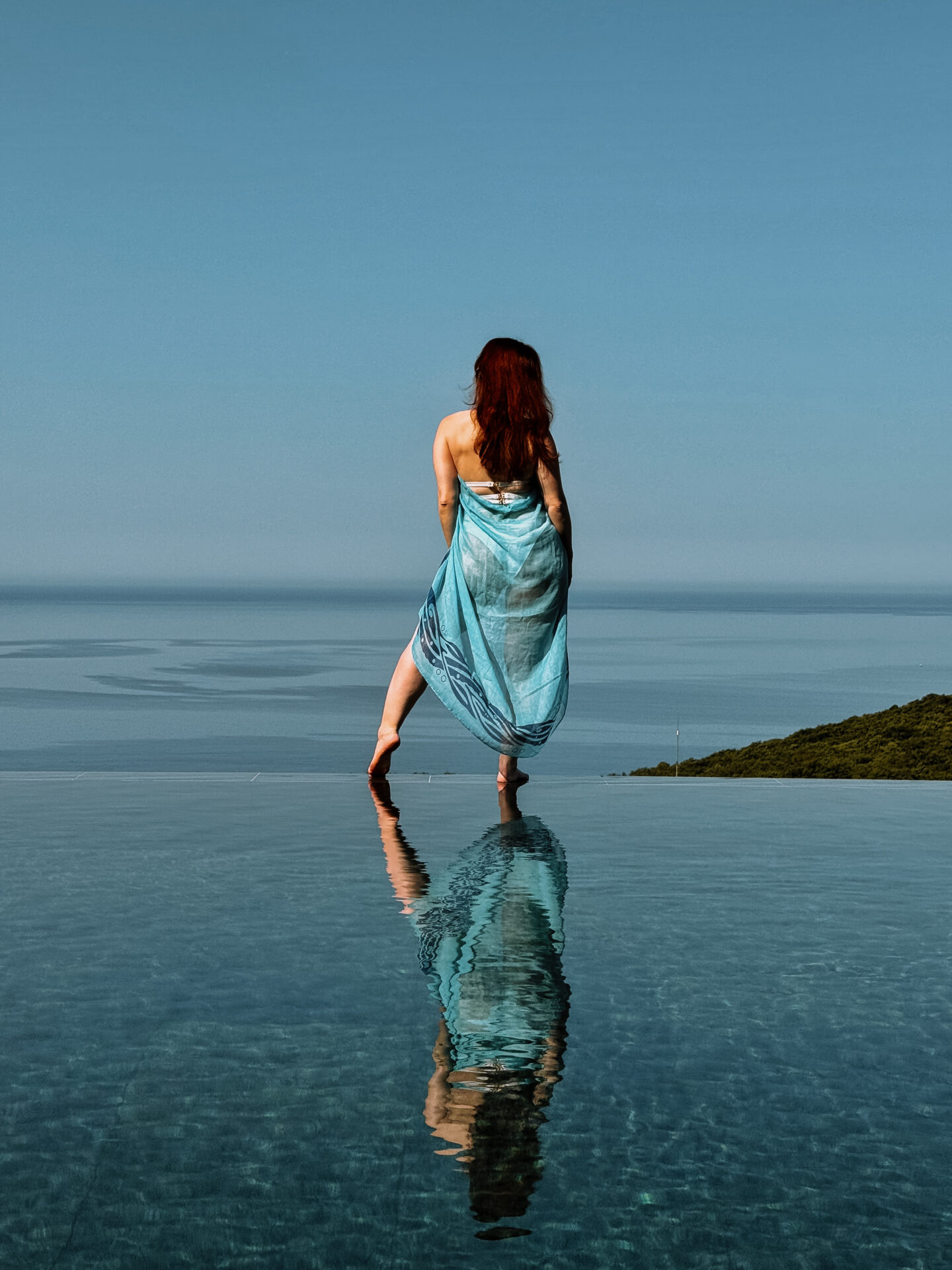
- Hotel Vivid Blue Serenity Resort (Budva): Infinity pool, sea view, adults only – the perfect place to unwind.
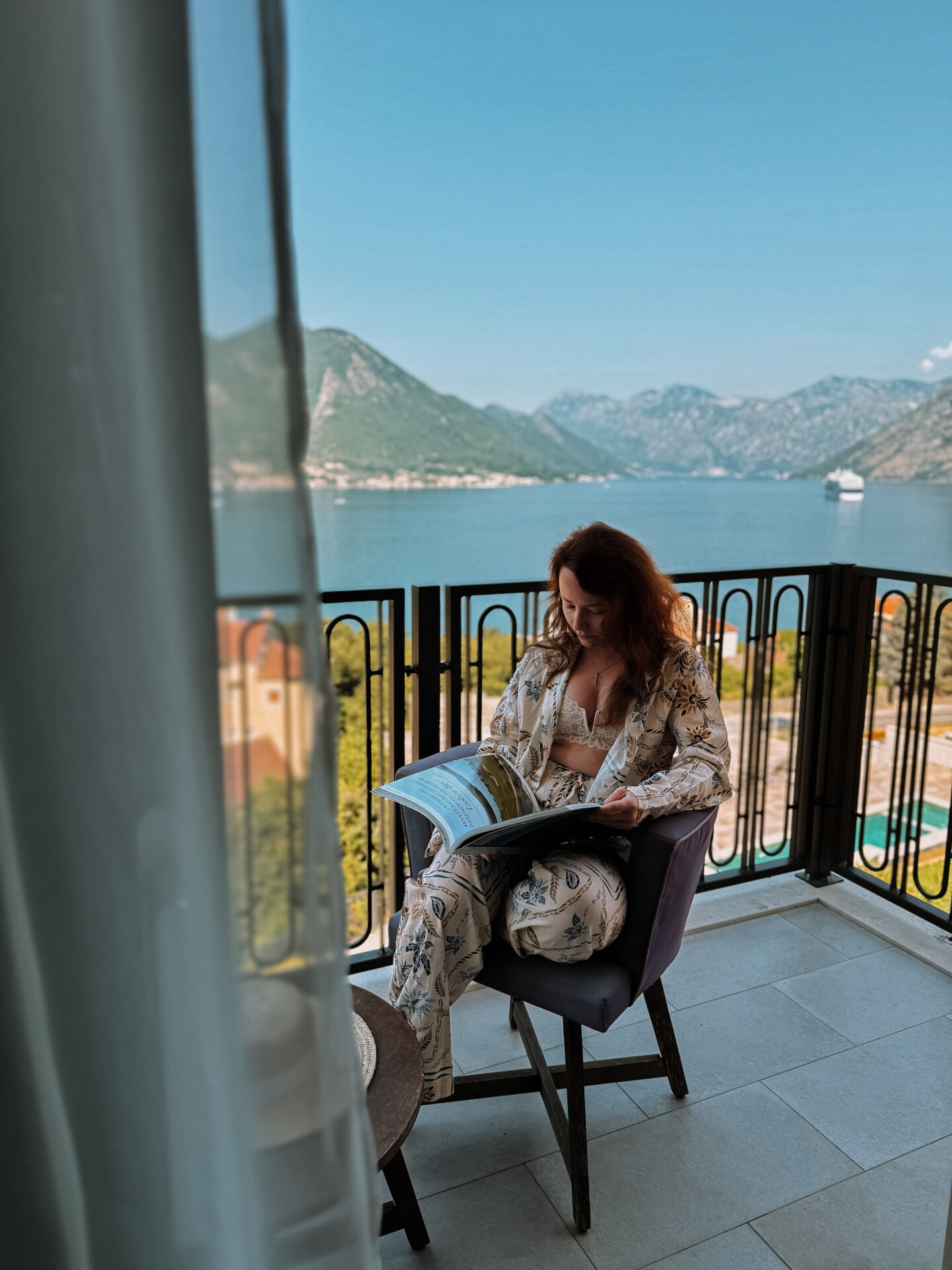
- Boutique Hotel Casa del Mare (Bay of Kotor): Stylish boutique hotel with a pool, elegant design, and a gorgeous view – ideal for relaxing between sightseeing and sundowners.
- Horizont Restaurant & Bar (Bay of Kotor): Spectacular panoramic viewpoint – more café than restaurant, but unbeatable for a sunset stop.
- Vista Vidikovac (Budva): Great Montenegrin cuisine with a panoramic view over Budva – ideal for dinner at sunset.
- Armonia Perast Restaurant (Perast): Romantic and elegant, right by the water – perfect for lunch or your final evening in Montenegro.
Final Thoughts – Why Montenegro Captivated Me
Montenegro may be small, but it’s full of surprises. Within a few hours, you can go from turquoise seas to tranquil mountain lakes and back to the Mediterranean coast.
What impressed me most was the mix of authenticity and understated elegance: historic towns, boutique hotels with sea views, and a laid-back atmosphere that never feels pretentious.
Whether you’re wandering the cobbled alleys of Kotor, spotting birds on Lake Skadar, or sipping wine in Perast with a view of the bay – Montenegro has a way of both slowing you down and inspiring you.
One thing’s for sure: I’ll be back. Next time, with a little more time – and a drive into the mountains, to finally explore Montenegro’s wild and beautiful heart.