This post contains affiliate links. If you book or purchase through these links, I may earn a small commission at no extra cost to you. This helps support my work and allows me to keep creating detailed travel guides.
Japan had always been a dream destination for me – a land of cherry blossoms, temples, and unforgettable culinary experiences. In spring 2025, that dream finally came true, and I spent three weeks exploring the Land of the Rising Sun. From Nagano to Tokyo, Fuji, Kyoto, and Hiroshima – this post shares my detailed experiences, practical travel tips, and personal highlights to help you plan your own perfect trip to Japan.
In this guide
Overview: My 3 Weeks in Japan Itinerary
My Route: Nagano (2 nights) – for the late cherry blossoms. Tokyo (6 nights) – packed with highlights. Kyoto (6 nights) – with day trips to Nagoya, Nara, and Osaka. Then Fuji (3 nights), and finally Hiroshima (2 nights) with a day trip to Miyajima. Spontaneous, diverse, unforgettable.
Nagano – Snow Monkeys & Late Cherry Blossoms
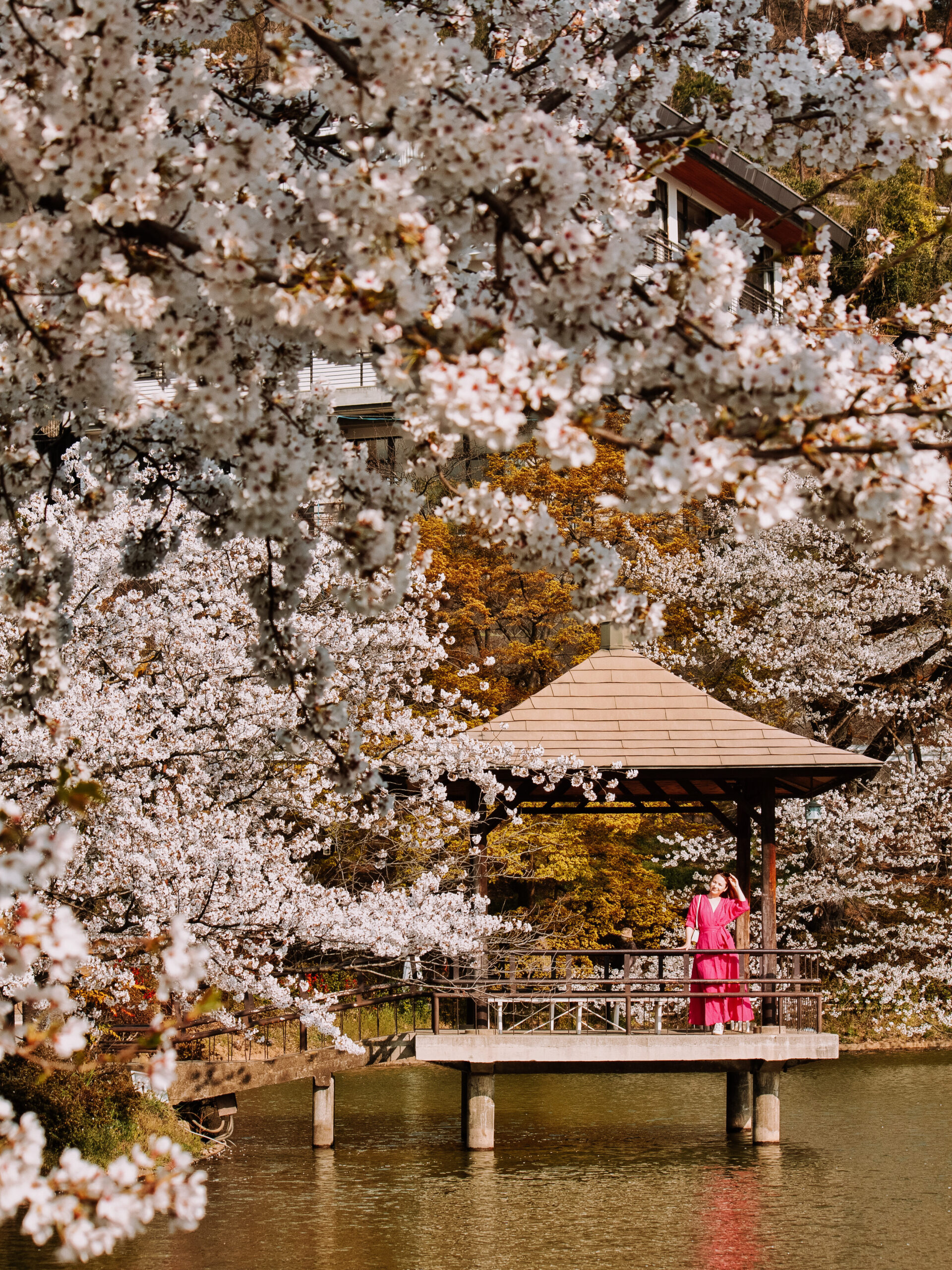
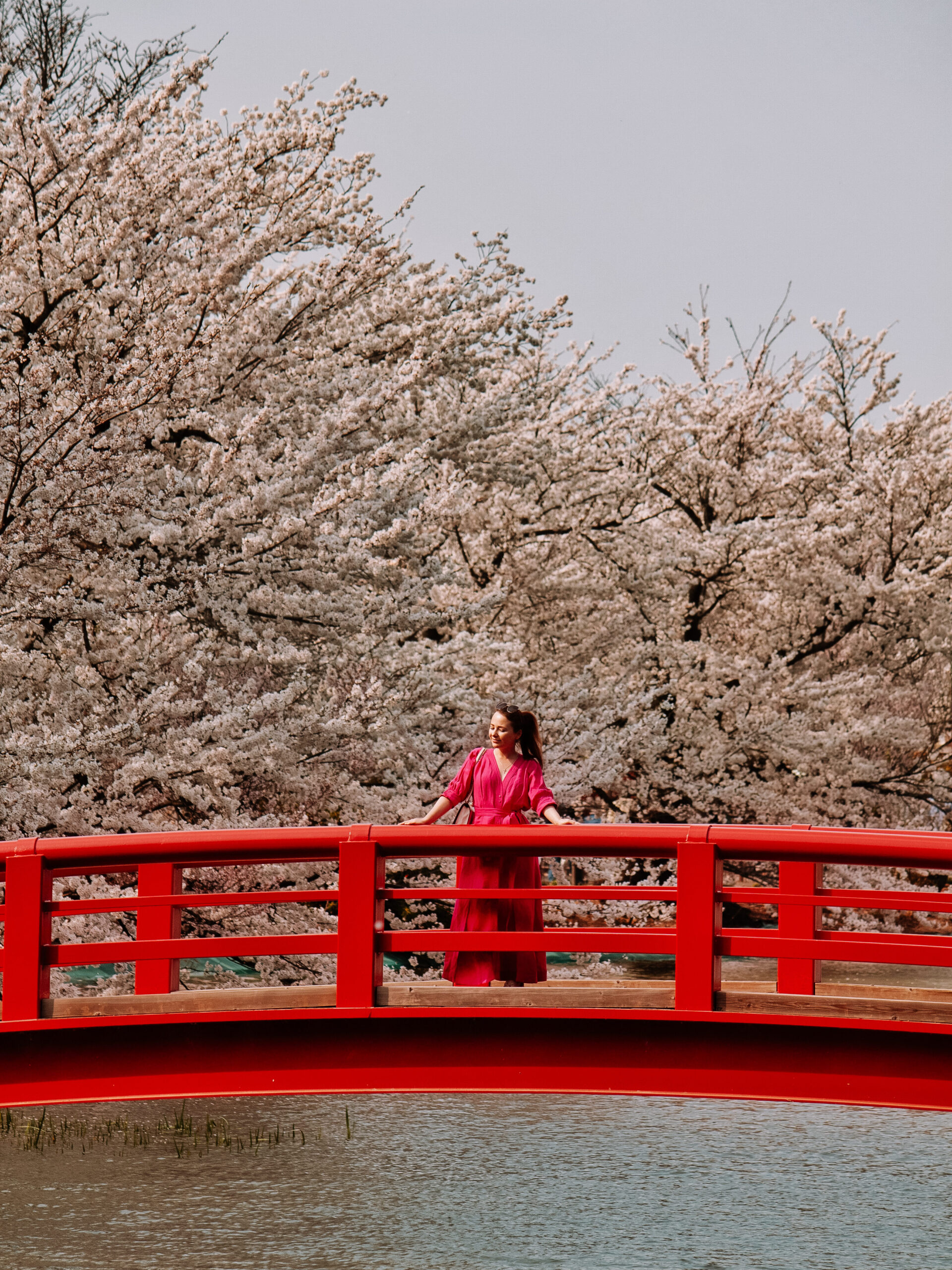
My journey began in Nagano, a city more known for winter sports. But I had a different reason to come: cherry blossoms. Since I traveled in mid-April, I had already missed the peak bloom in Tokyo and Kyoto. My tip for anyone visiting later in spring: thanks to its higher elevation and cooler temperatures, Nagano often still has blooming cherry trees at this time. Experiencing cherry blossoms outside the peak season reminded me a lot of springtime at home during cherry blossom season in Wiesbaden, where timing also plays a huge role. By the way, despite popular belief, most cherry blossoms in Japan are white to pale pink – not bright pink. Garyu Park was especially beautiful, with scenic paths, tranquil ponds, and stunning mountain views.
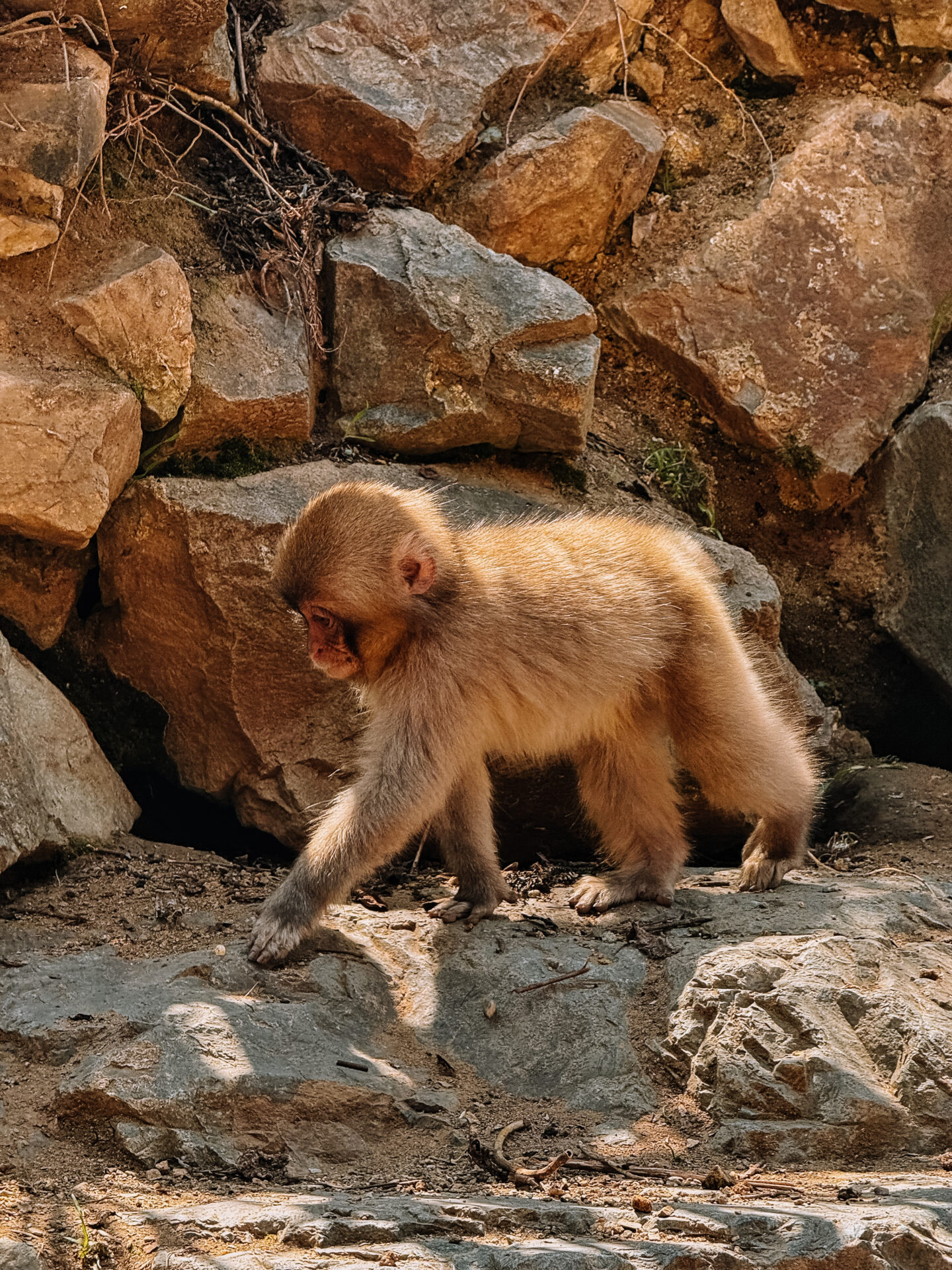
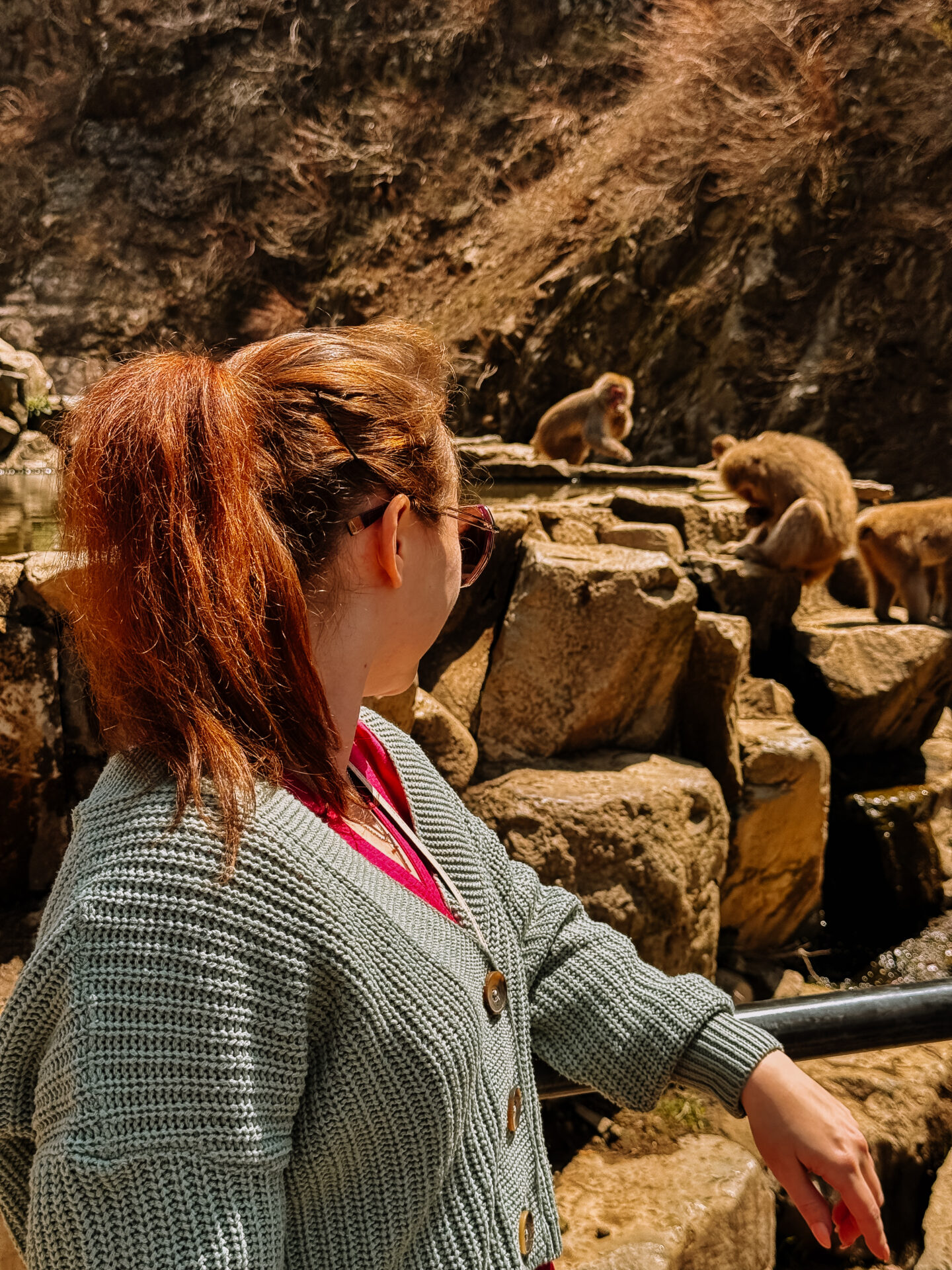
A guided day tour brought me to both the Snow Monkeys in Jigokudani Monkey Park and several cherry blossom spots in the region. The morning was dedicated to the monkeys. I had pictured them soaking in steamy hot springs surrounded by snow. In reality, it was already quite warm with no snow in sight – but the monkeys were still there, lounging on rocks, walking through the forest, and watching us curiously. In the afternoon, we visited the best blossom spots based on current bloom status.
The combination of delicate blossoms and curious monkeys made for a perfect start to my trip.
Tokyo – A Metropolis of Tradition and Modernity
After two nights in Nagano, I continued to Tokyo, where I stayed six nights at Hotel OMO3 Asakusa. It wasn’t just the central location that impressed me – the rooftop terrace was a dream. On one side: the mighty SkyTree; on the other: the illuminated Senso-ji Temple.
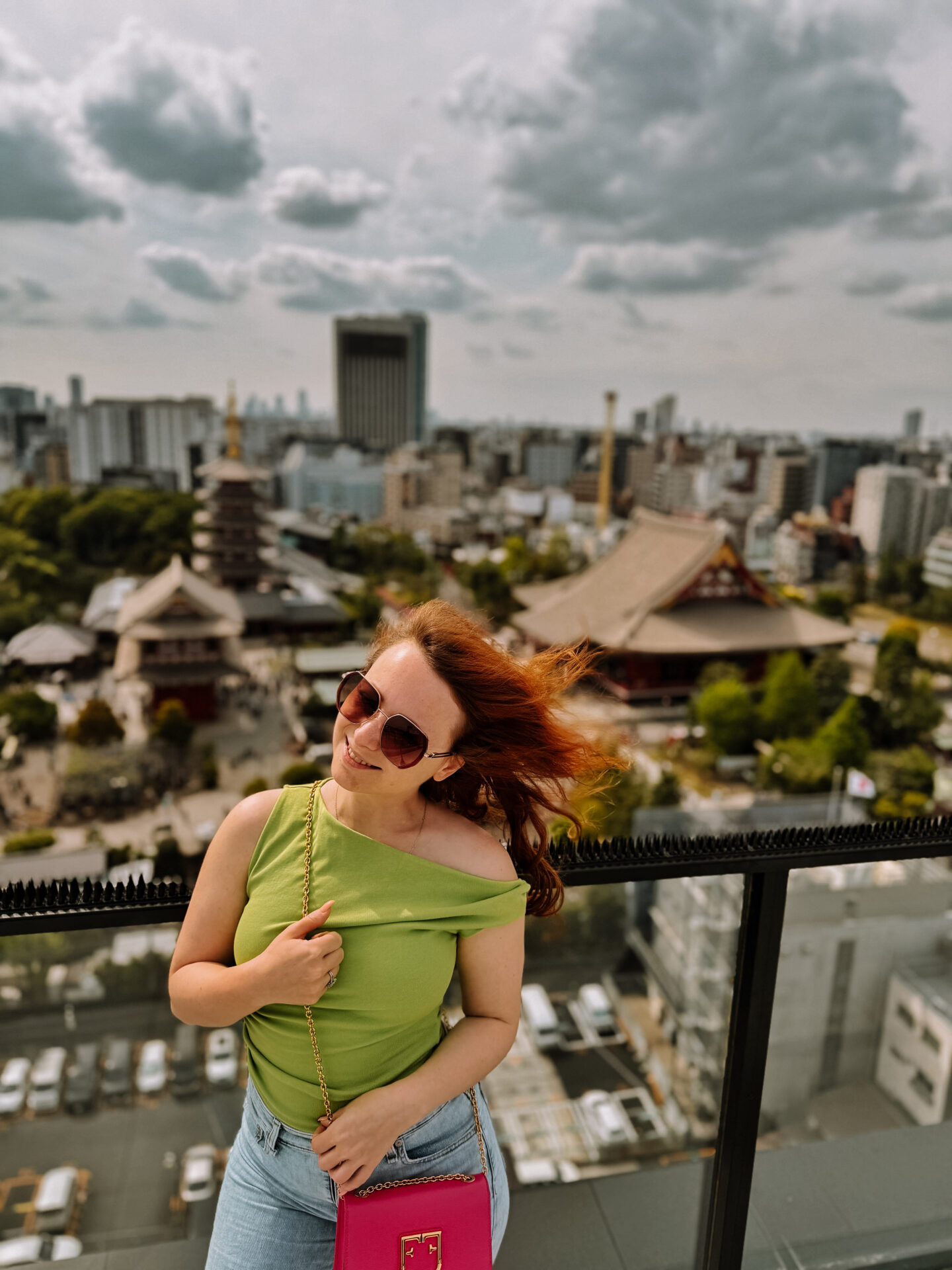
Asakusa & Senso-ji
Tokyo’s oldest temple is very crowded during the day, but once the crowds disperse at night, it becomes magical. I especially loved the many street food stalls around Nakamise-dori: sweet dango, freshly baked melonpan, and red bean-filled taiyaki – absolutely delicious.
Hop-on-Hop-off-Tour
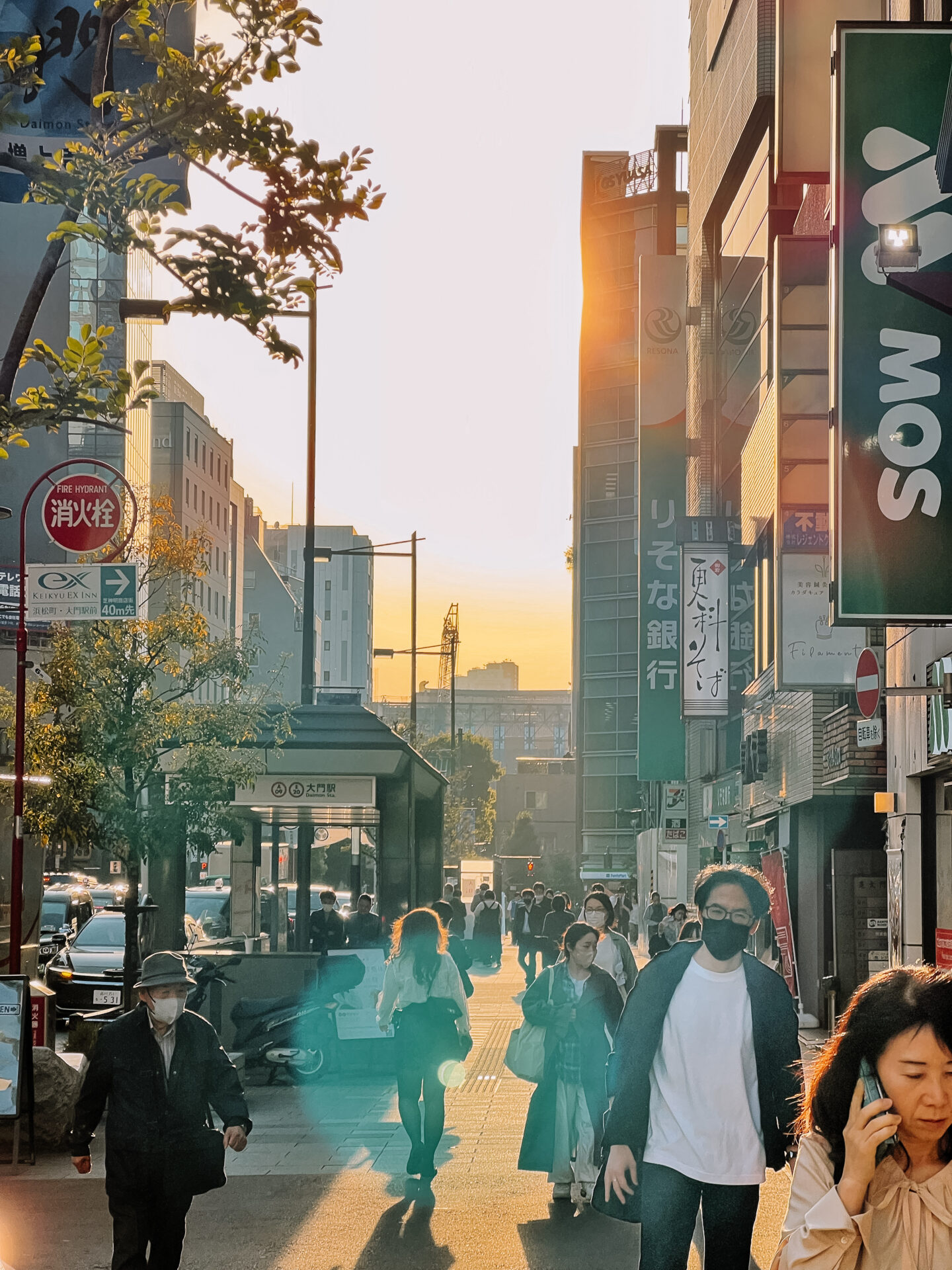
Tokyo is huge, loud, and colorful – yet surprisingly well-organized and accessible. To get my bearings, I took a hop-on-hop-off bus tour. Sounds touristy (and it is), but it was the perfect way to ease into the city’s scale and explore different neighborhoods stress-free.
Shinjuku
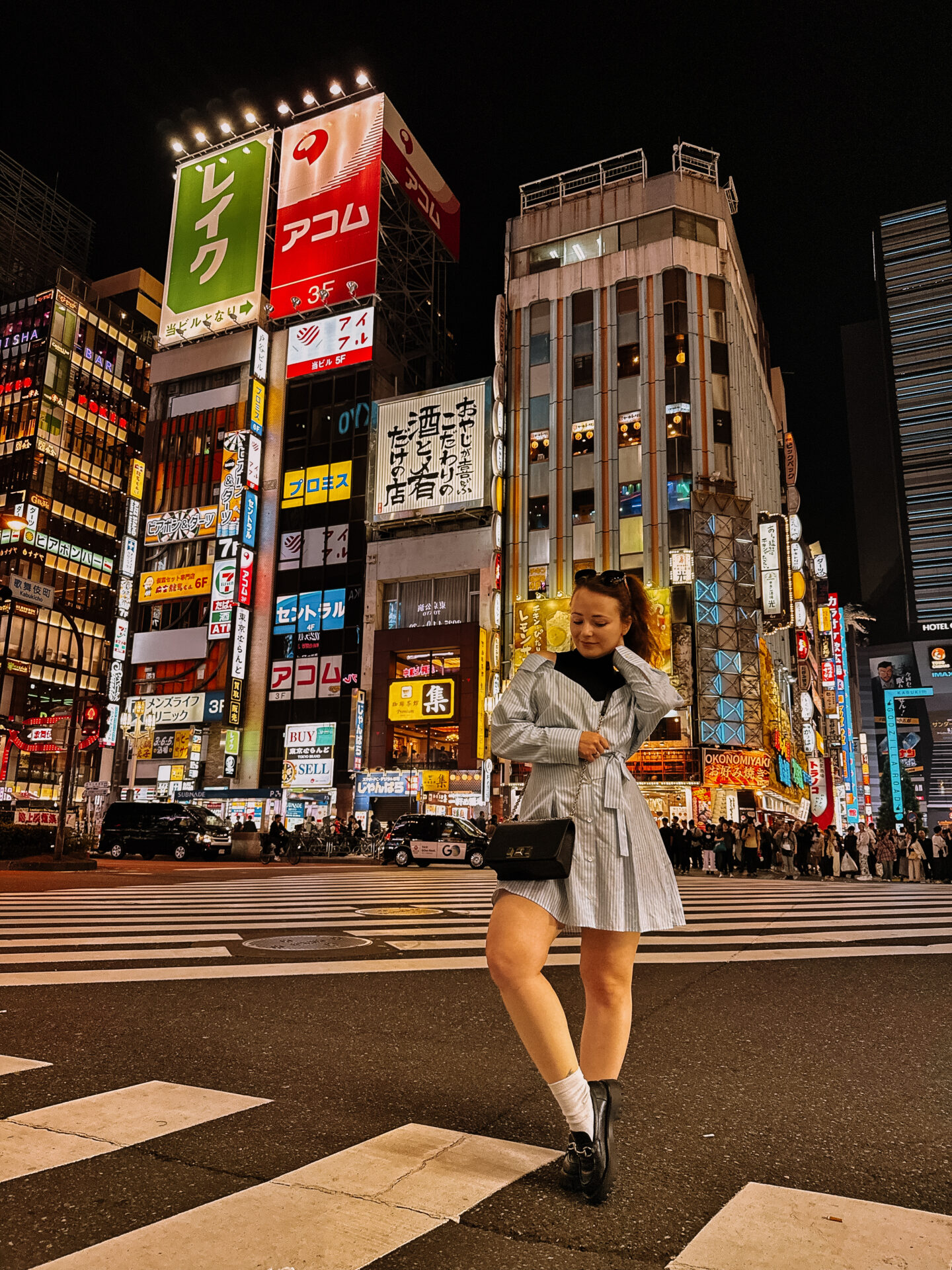
A guided food tour through Shinjuku’s busy streets was a culinary highlight. In cozy izakayas, I tried grilled yakitori, creamy tofu, and house-brewed sake – a fantastic introduction to Tokyo’s food scene. Shinjuku is also known for its neon lights, nightlife, shopping centers – and the iconic Golden Gai with its micro-bars.
Shibuya, Shibuya Sky & Shibuya Crossing
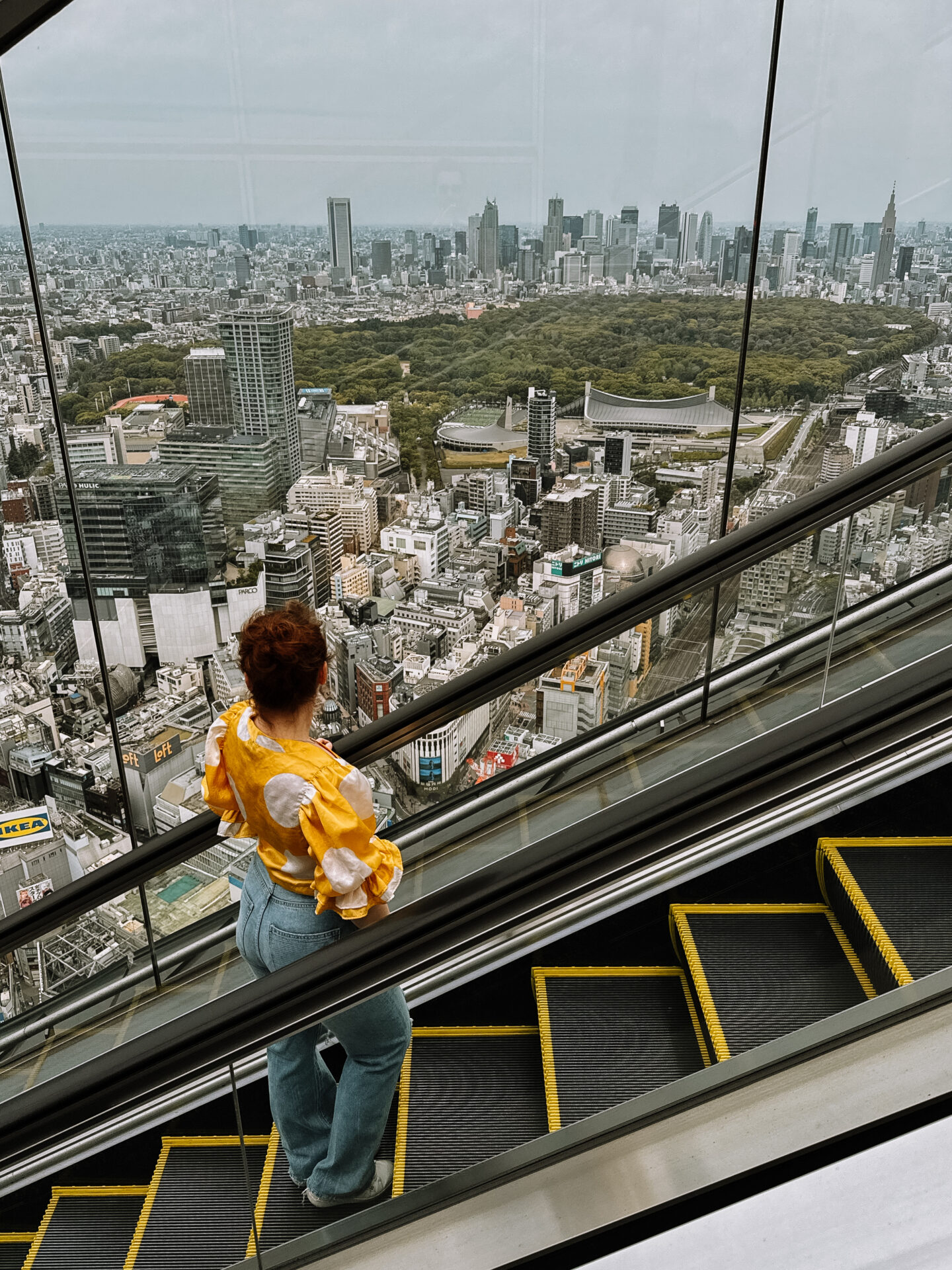
Shibuya is lively, youthful, and full of fashion shops, arcades, and trendy cafés. Shibuya Sky, especially in the early morning, offers a 360° view of Tokyo – and on clear days, even Mount Fuji. Book tickets early – they sell out fast. Sunset views are especially stunning. Afterwards, I headed to Shibuya Crossing – the world-famous scramble – best observed from one of the surrounding cafés or Starbucks locations.
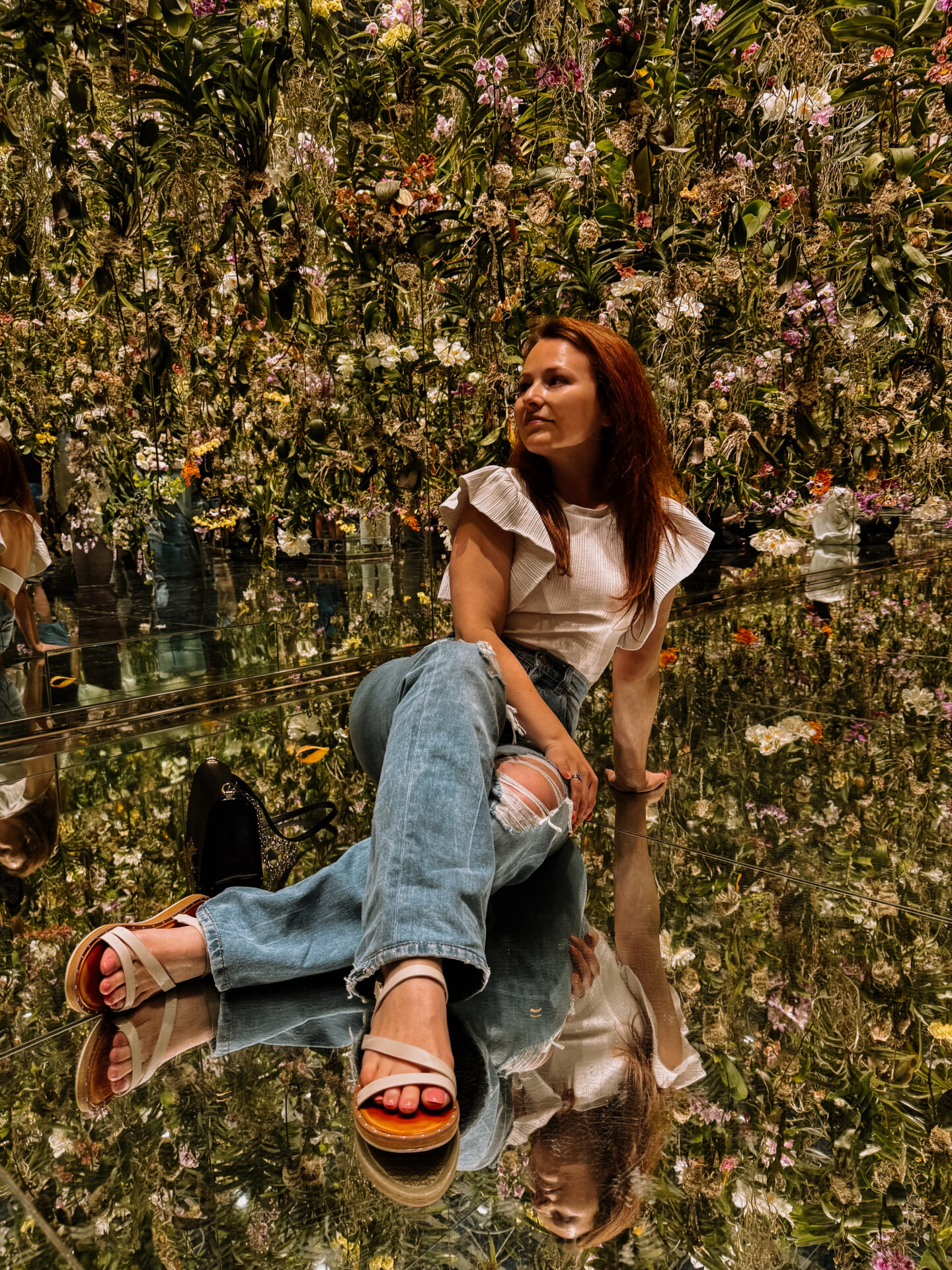
Teamlab Planets
An absolute must! This immersive museum blends art, light, water, and emotion. You walk barefoot through mirrored pools, glowing flower rooms, and digital light waves. It’s poetic, playful, and surreal. Book ahead!
Tokyo SkyTree
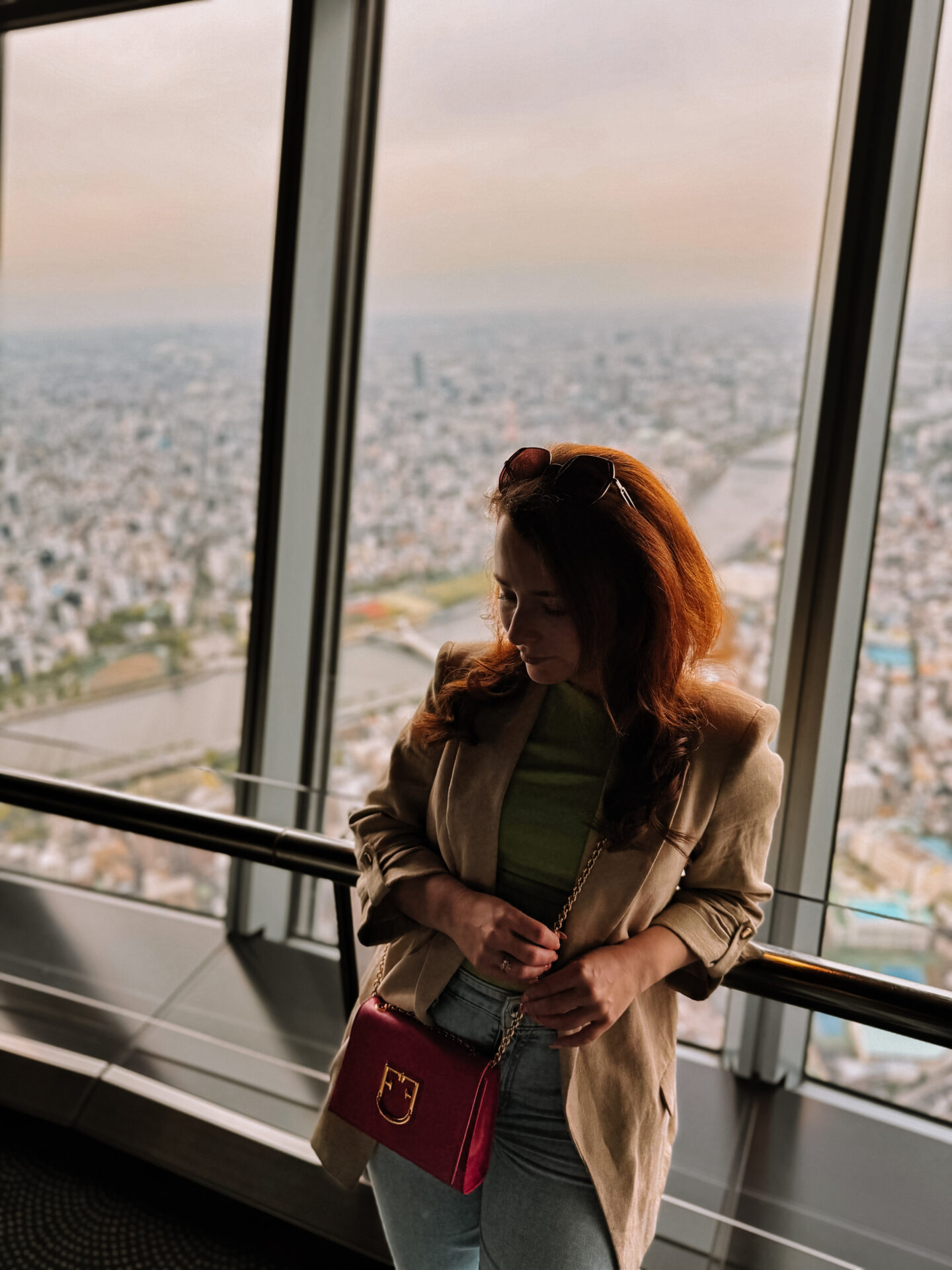
Of course, I had to visit Japan’s tallest building. I explored both the Tembo Deck and the higher Tembo Galleria (which requires a separate ticket). The view is incredible – but honestly, the lower deck is more than enough. It’s busy, but the panoramic view is worth it. If you’re lucky, you can even spot Fuji. The café here was surprisingly calm and offers snacks with a view.
Tokyo Tower
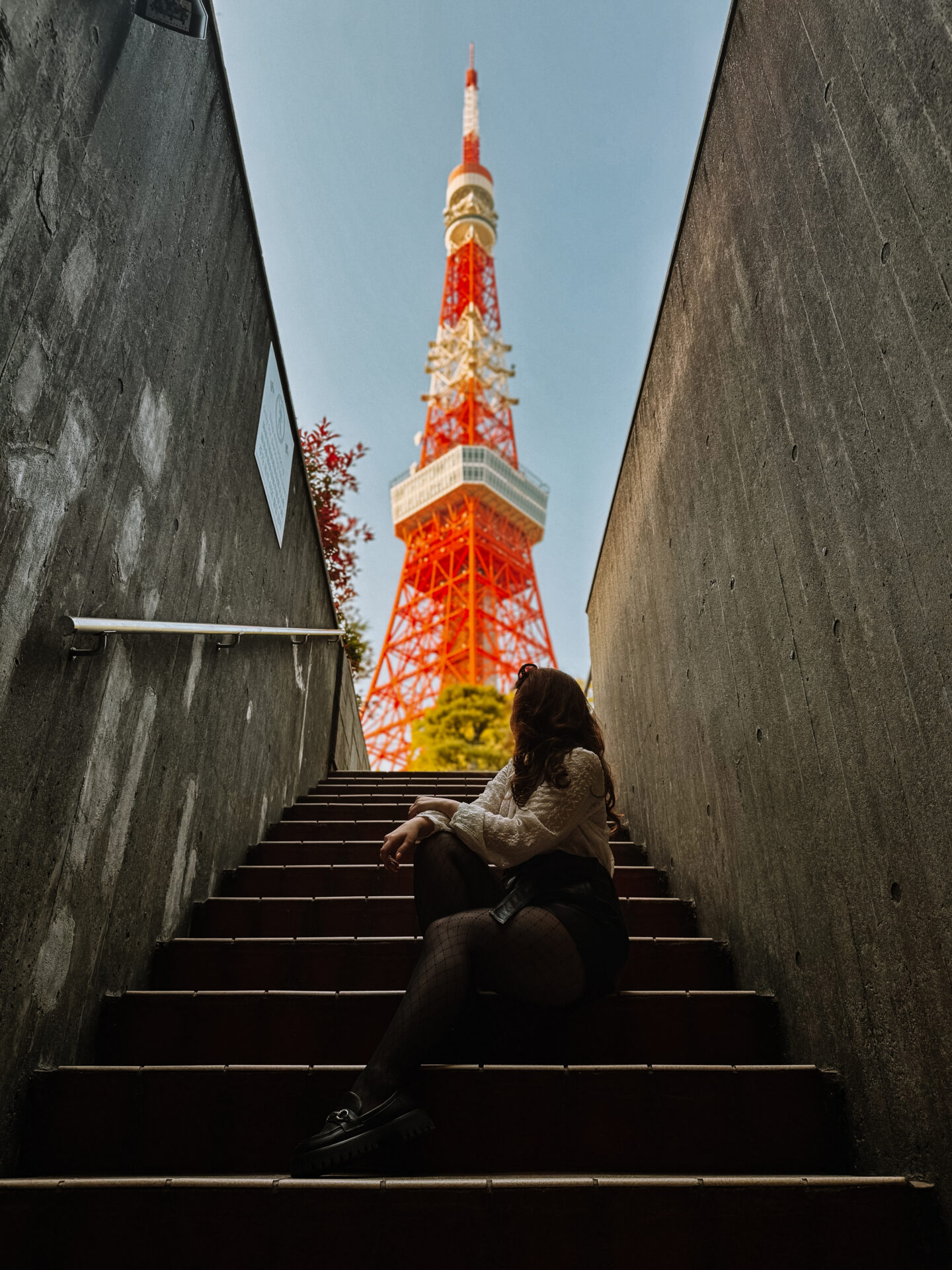
I didn’t go up – I came just for the photo. My target: the (not-so-secret) photo spot on the garage stairwell. Iconic shot guaranteed! But be patient – it’s a popular place, so a short wait is likely.
Other Tips: Meiji Shrine, Takeshita Street in Harajuku, upscale shopping in Ginza, or crossing the Rainbow Bridge to Odaiba.
Getting Around Japan: Trains, Rail Pass & Travel Tips
One of the most essential parts of my trip was the Japan Rail Pass – an absolute must if you plan to visit multiple destinations. I used the nationwide pass for 21 days. It must be purchased in advance from outside Japan (e.g., online through official vendors) and is then activated upon arrival in Japan.
Taking the train in Japan was more than just getting from A to B – it was part of the experience. With the 21-day Japan Rail Pass, I was able to travel the country flexibly and hassle-free. Whether it was the Shinkansen, regional trains, or local lines – everything was punctual, clean, and incredibly efficient.
The Shinkansen are especially comfortable, with plenty of legroom, Wi-Fi, power outlets, and occasionally even views of Mount Fuji. I was particularly impressed by the bento boxes available at train stations: beautifully arranged meals in little compartments, each one a miniature work of art.
Good to know: On some routes (like Tokyo–Kyoto), you’ll need to reserve a seat with extra space for large luggage. These spots are limited – so be sure to book early. Some trains require additional tickets, like the Fuji Excursion or high-speed connections such as the Nozomi Shinkansen, which is not covered by the Rail Pass. Even on other Shinkansen, I highly recommend reserving seats – especially during peak travel times.
Culinary Highlights – A Journey for the Taste Buds
Japan is an absolute paradise for food lovers. Few countries blend aesthetics, flavor, and variety as artfully as Japan. I sampled countless regional specialties – here are my personal highlights:
- Ramen: Every region has its own version. I especially loved the rich Tonkotsu ramen in Tokyo and the hearty miso ramen in Nagano.
- Bento-Boxen: Perfect for train rides or picnics in the park – beautifully arranged and often surprisingly affordable.
- Takoyaki: Tried in Osaka – fresh, hot, crispy on the outside, soft on the inside. The ultimate street food!
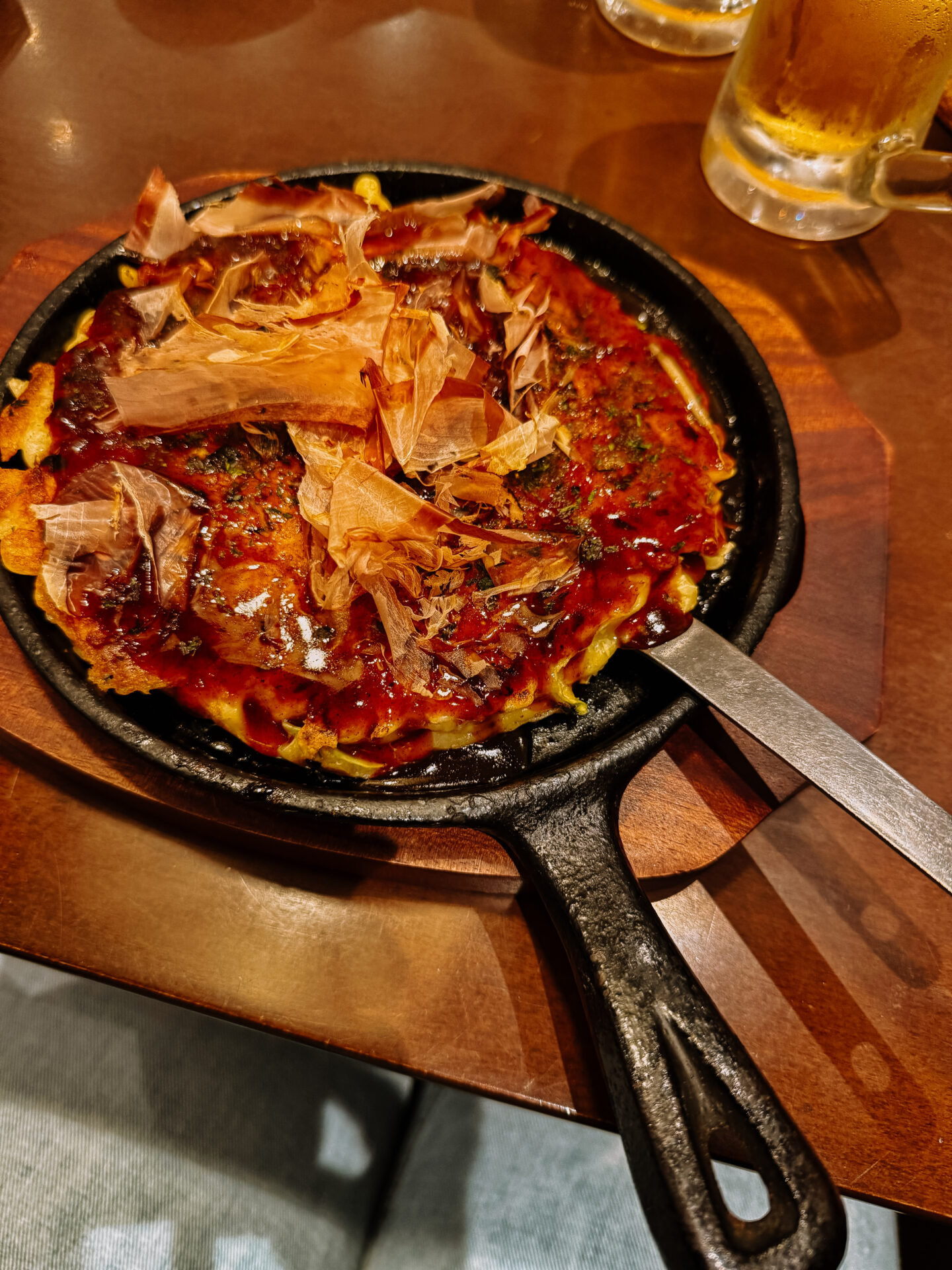
- Okonomiyaki: The savory pancake from Osaka – best enjoyed in tiny local restaurants with an open kitchen.
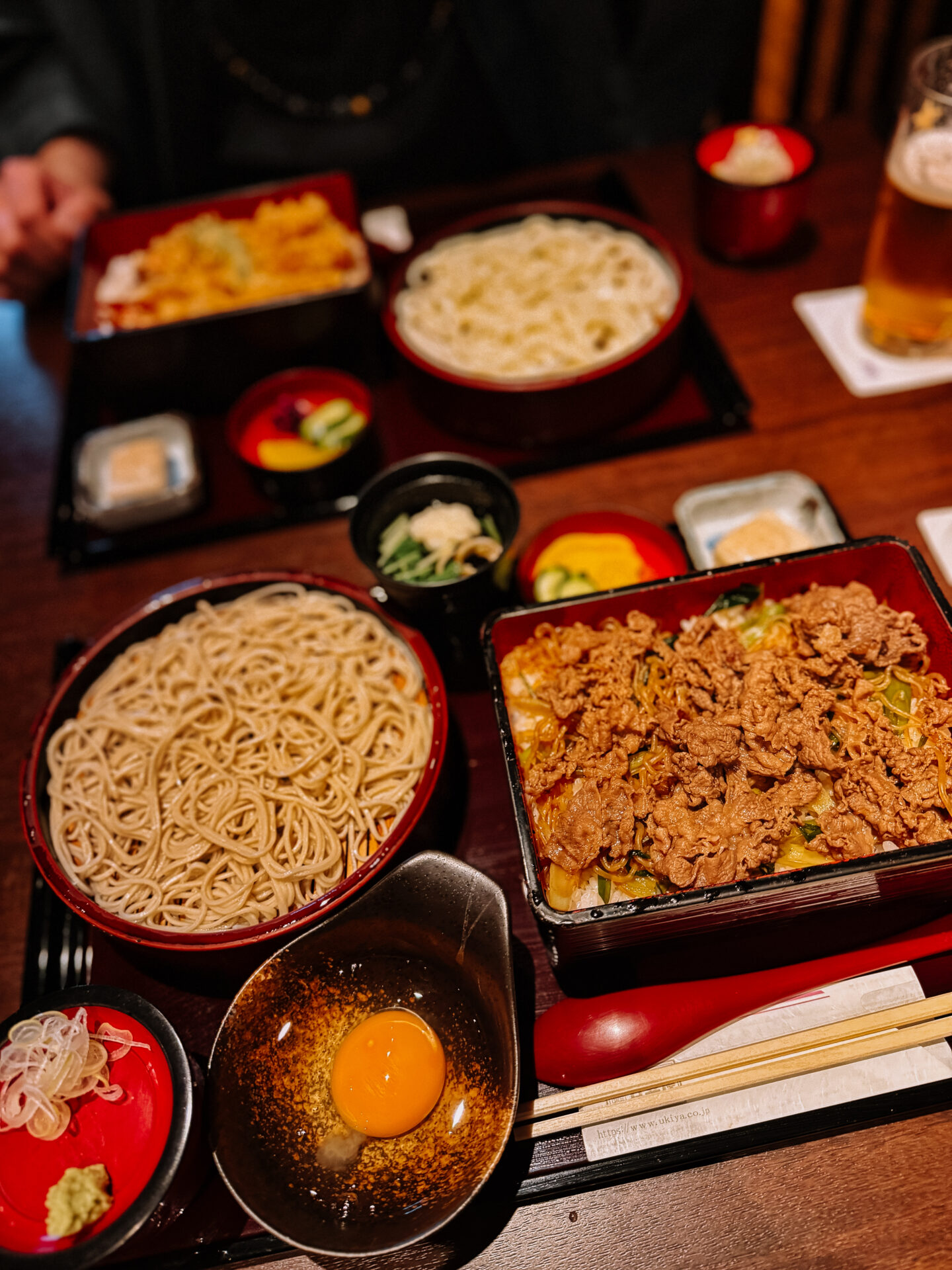
- Soba Noodles: Served hot or cold – especially popular in summer, often with a dipping sauce.
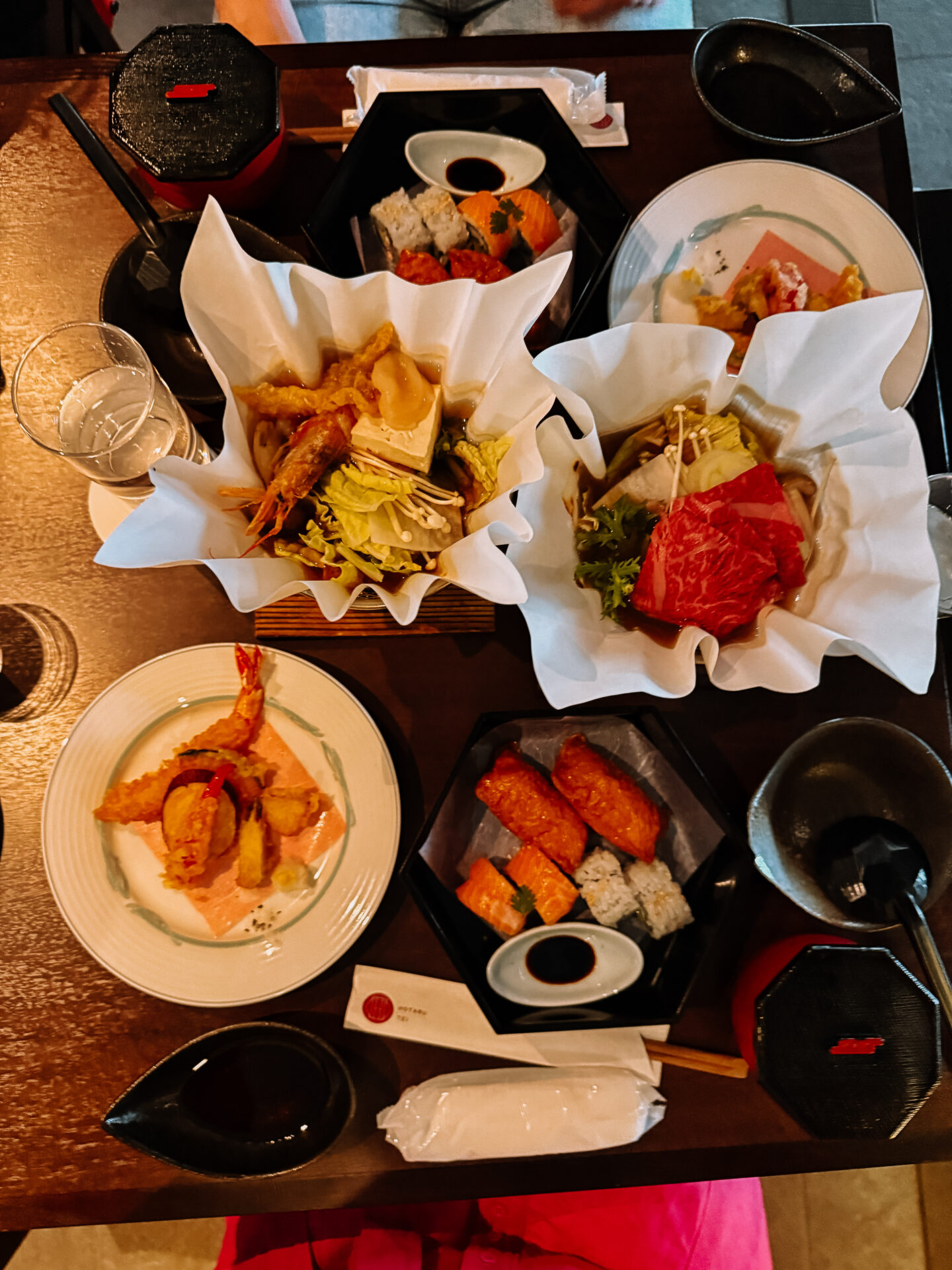
- Sushi & Sashimi: Sampled at Nishiki Market in Kyoto and in cozy sushi bars – simply divine.
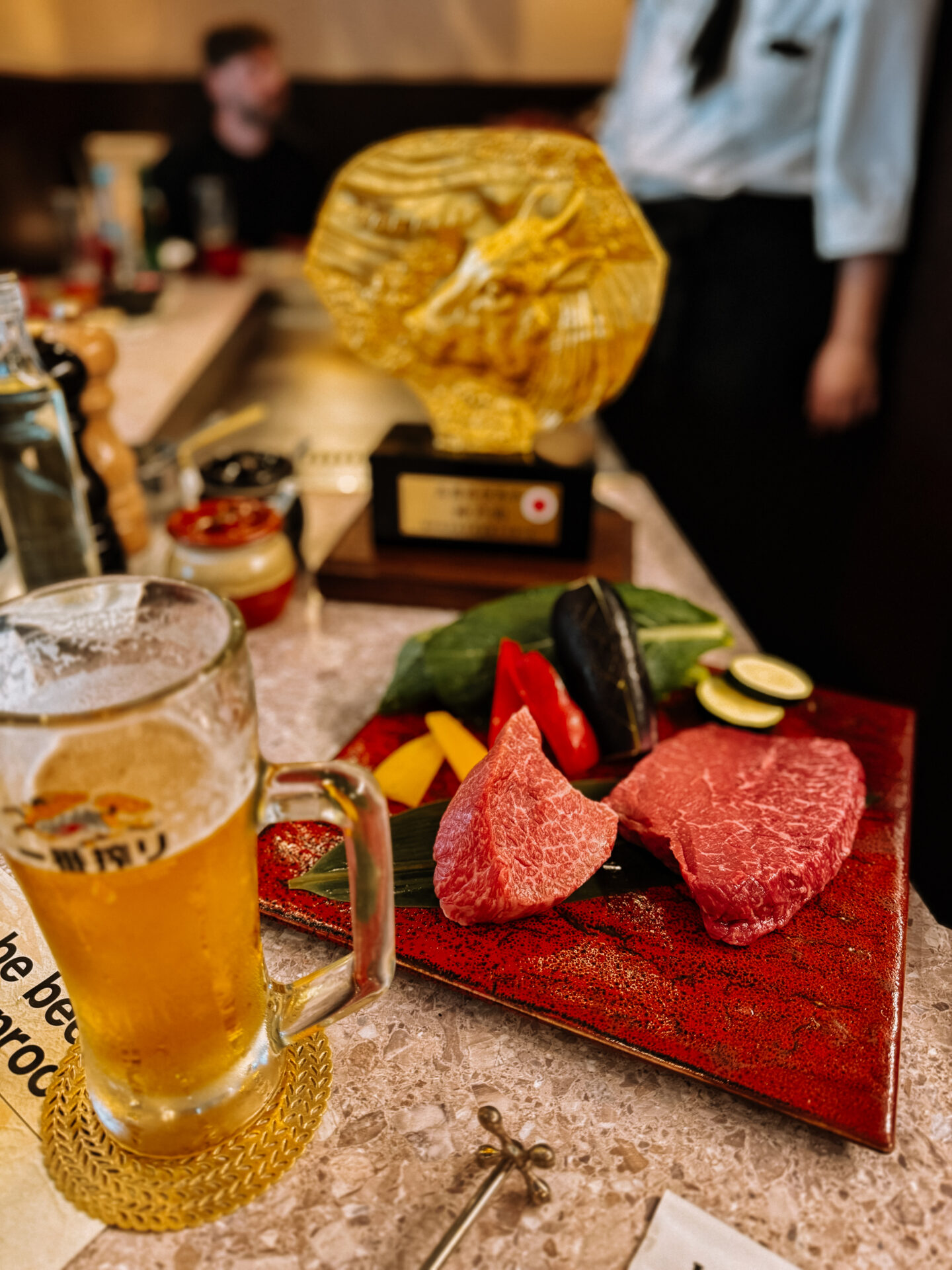
- Wagyu & Kobe Beef: Incredibly tender and a true culinary experience. Kobe beef is a premium variety of Wagyu with strict origin regulations. Both are luxury – but every bite was worth it.
- Hot Pot: Especially atmospheric at Hoshinoya Fuji – served on your private terrace, under the open sky, with a view of Mount Fuji. A shared experience where vegetables, meat, and broth turn into a moment of pure indulgence.
- Matcha & Sakura: Whether as ice cream, cake, or in drinks – the range of matcha products is huge. During cherry blossom season, creative sakura-themed snacks are everywhere.
- Mochi: These soft, chewy rice cakes come in endless variations – stuffed with red bean paste, strawberries, or even ice cream. I especially enjoyed sakura mochi during cherry blossom season.
- Oysters: Not just found on Miyajima, but also in Hiroshima – plump, juicy, grilled, and served with lemon. Simple and delicious.
- 7-Eleven-Snacks: Totally underrated and absolutely genius – onigiri, whipped cream & strawberry sandwiches, matcha desserts, or a chilled coffee on the go. Perfect for a quick bite and surprisingly tasty.
- Sake: A must-try! From dry and crisp to fruity and floral – sake is far more diverse than expected. Whether enjoyed warm in a tiny izakaya or cold during a tasting, it’s a unique part of Japanese food culture.
Kyoto – Between Tradition and Tourists
After the vibrant days in Tokyo, Kyoto offered the perfect contrast. Six nights weren’t nearly enough for this city full of history and beauty. Kyoto is the heart of traditional Japanese culture – with over 1,000 temples, old town districts, and a calm, spiritual atmosphere that’s entirely different from modern Tokyo.
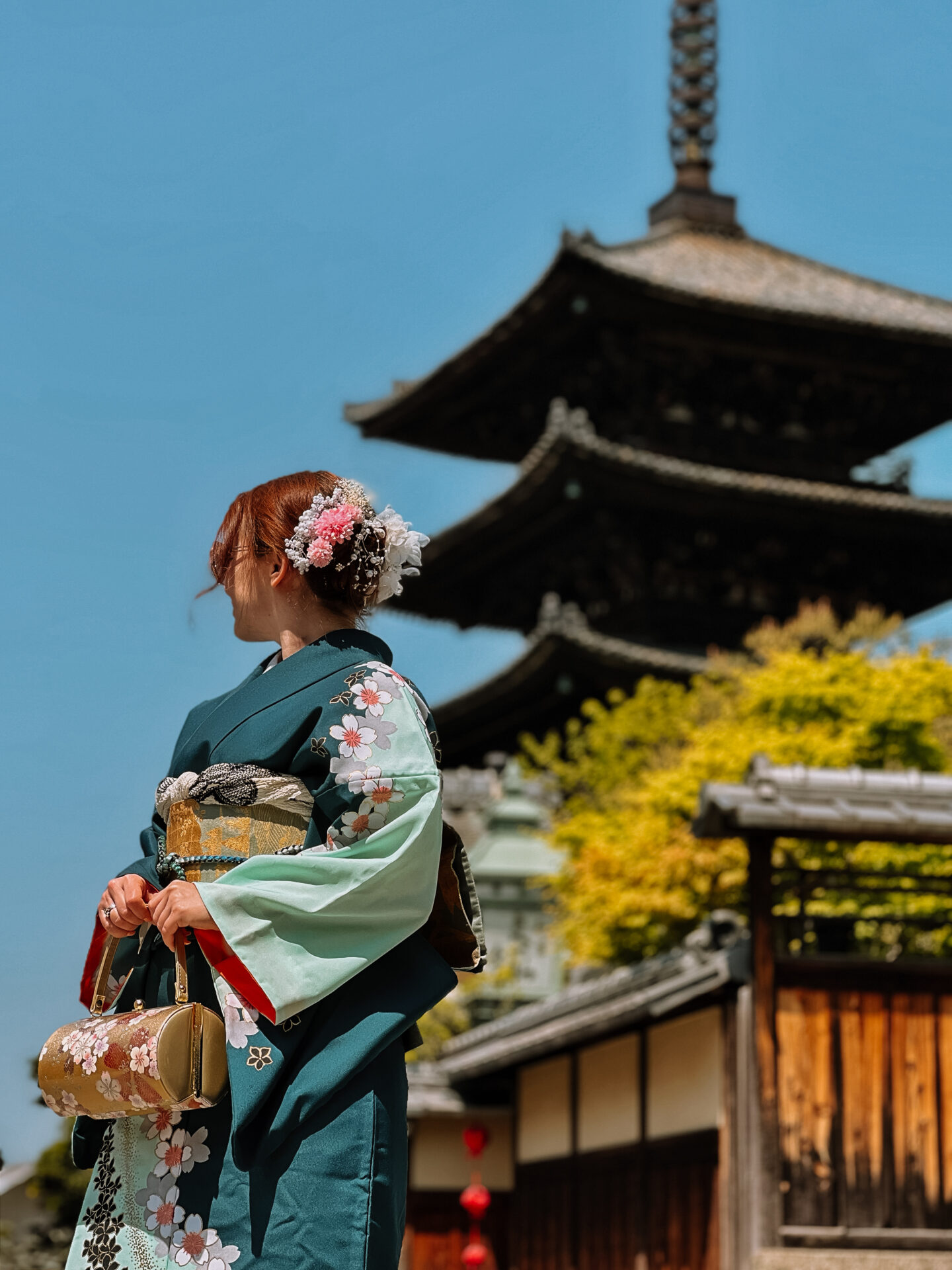
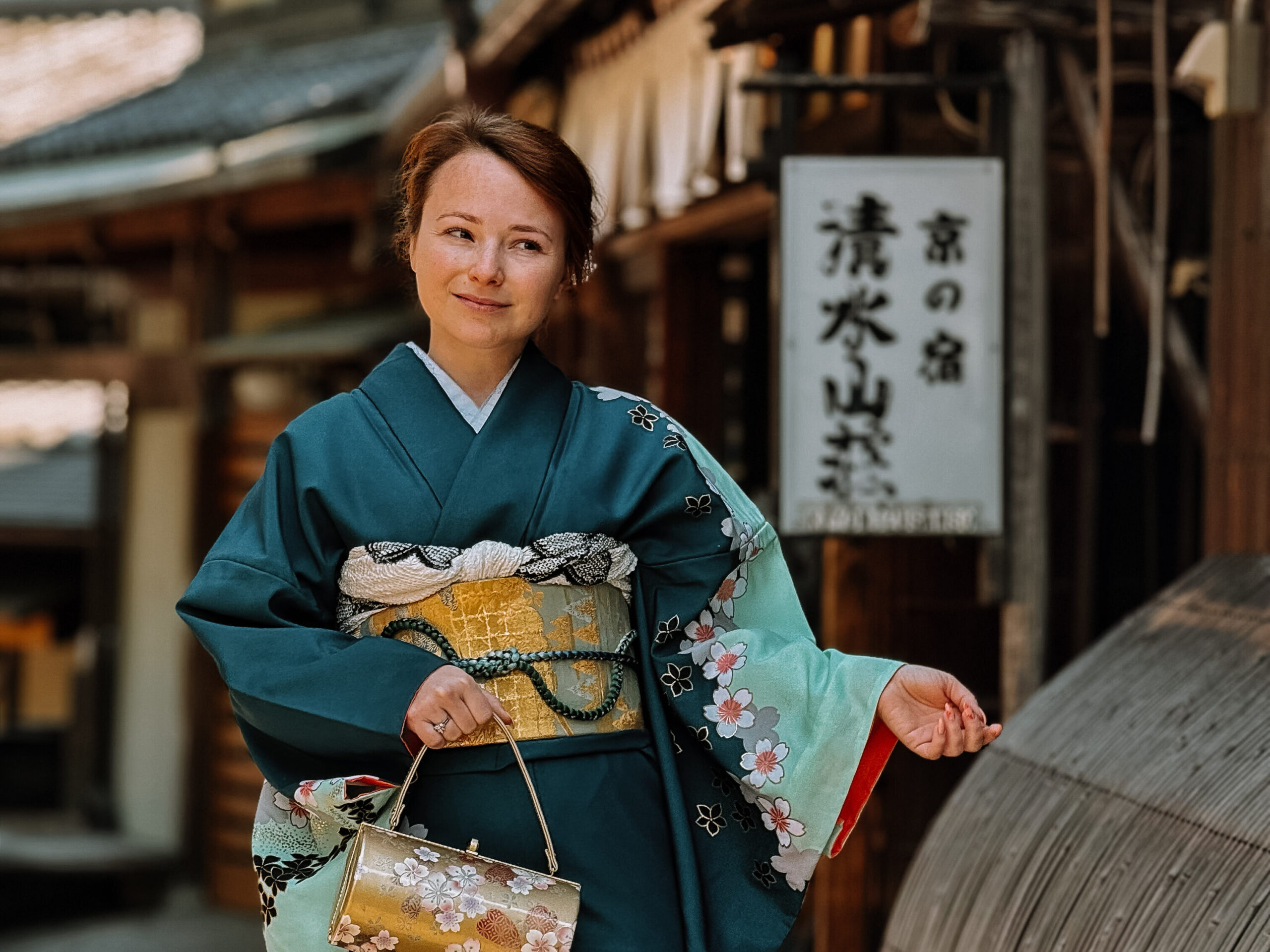
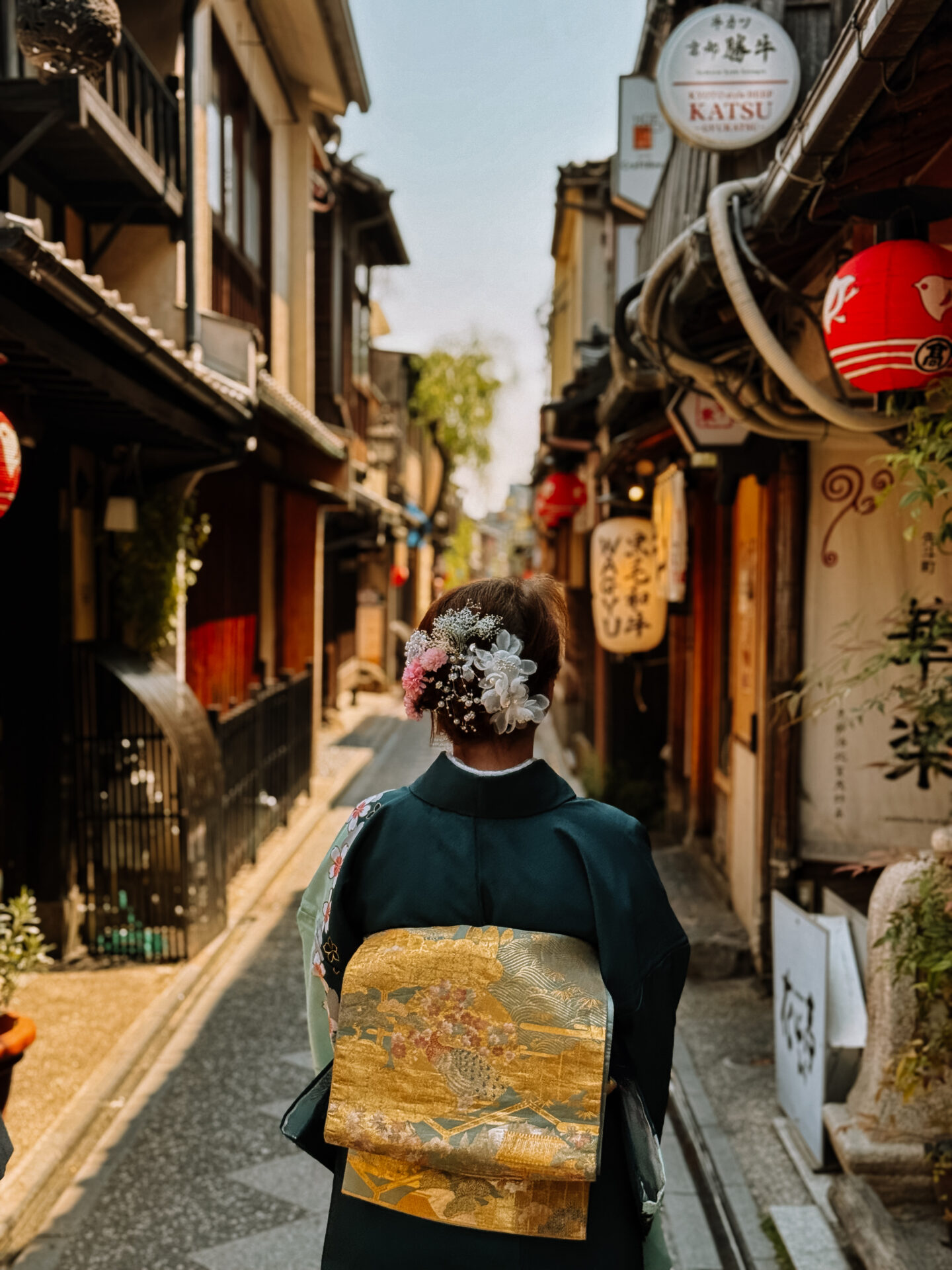
One day, I rented a kimono – an unforgettable experience. But be warned: the traditional wooden sandals may look cute, but they’re incredibly uncomfortable. Backup shoes are a must!
Bring backup shoes! The selection of colors, patterns, and accessories is huge. Many rental shops include hairstyling and photo cards with recommended spots. Most rentals are valid from morning to early evening. Walking through Gion or Higashiyama in traditional dress made the Kyoto experience feel even more magical and authentic.
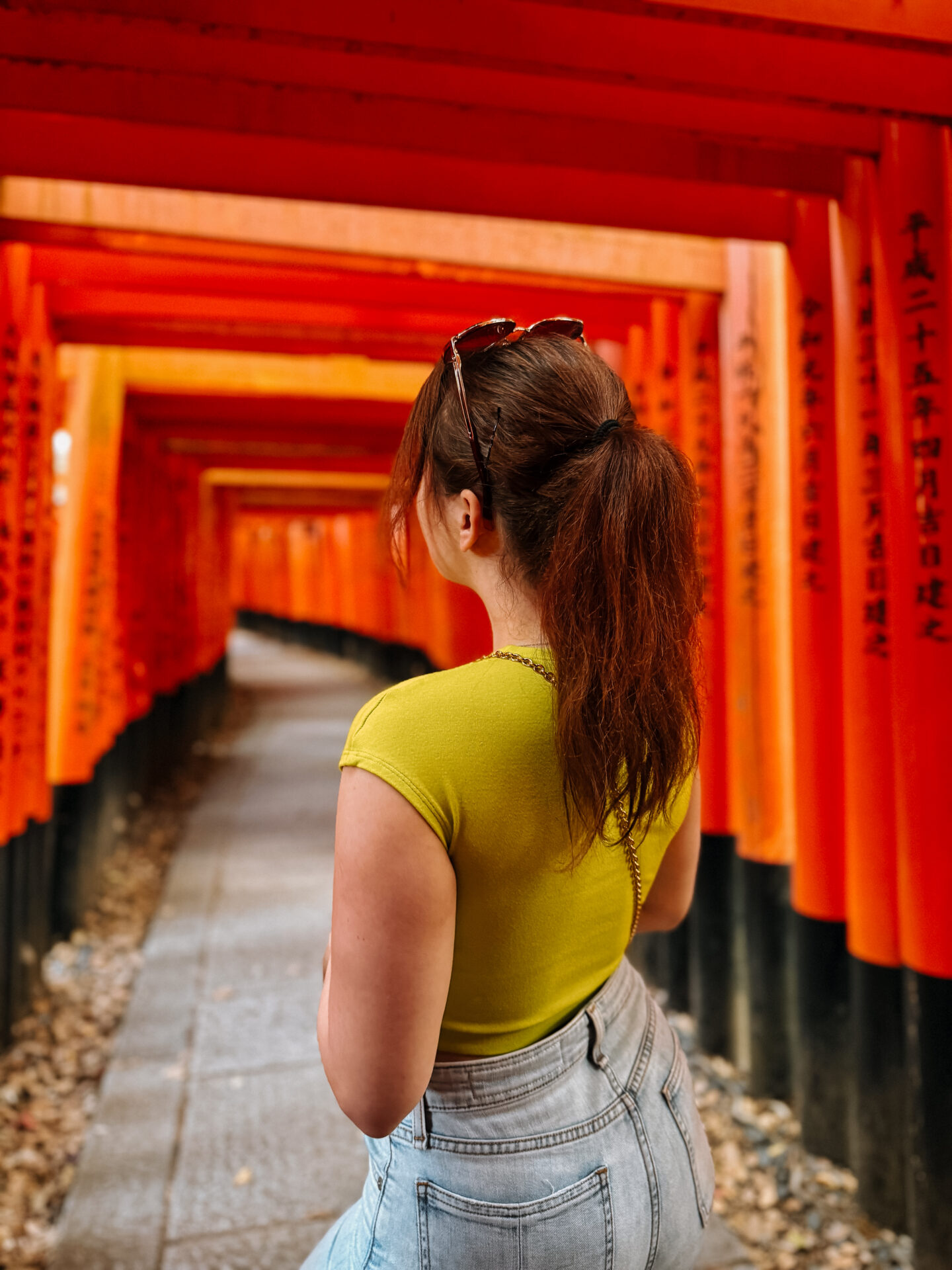
Fushimi Inari-Taisha
A classic. The world-famous shrine with thousands of red torii gates winding up an entire mountain. The lower part is crowded, but the higher you climb, the quieter it gets. The path through the endless gates feels almost meditative. I hiked to the very top – there’s no classic viewpoint, but the peaceful forest was a reward in itself.
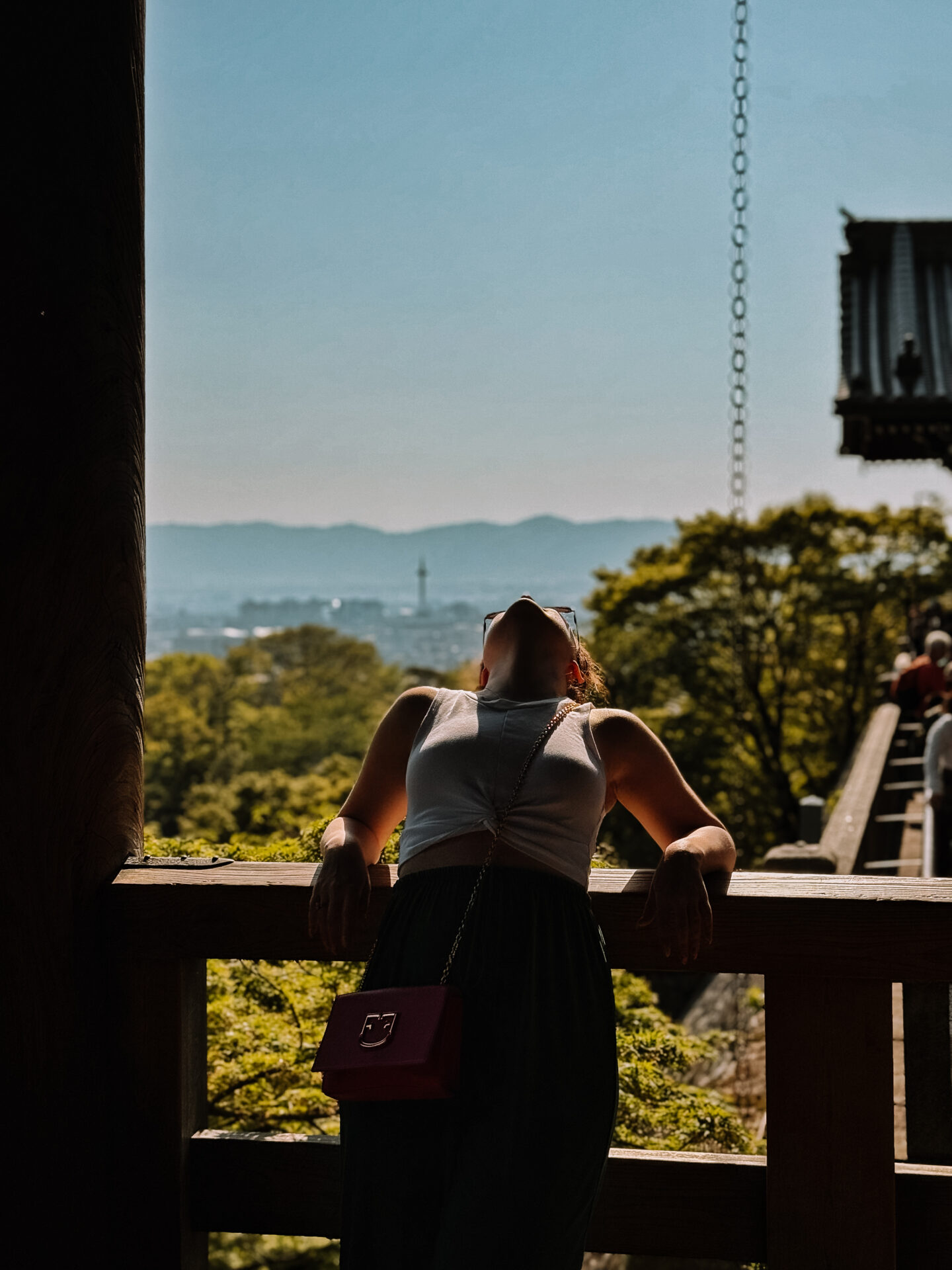
Kiyomizu-dera
Perched on a hillside with a dramatic wooden terrace jutting out over the slope. Especially at sunset, the view over Kyoto is incredible. Note: The temple closes around 6:00 PM, so you won’t catch the full sunset. The narrow alleys below the temple are filled with small shops and teahouses, great for wandering – but beware: during cherry blossom season, it’s already crowded by 8:00 AM and nearly impassable by afternoon.
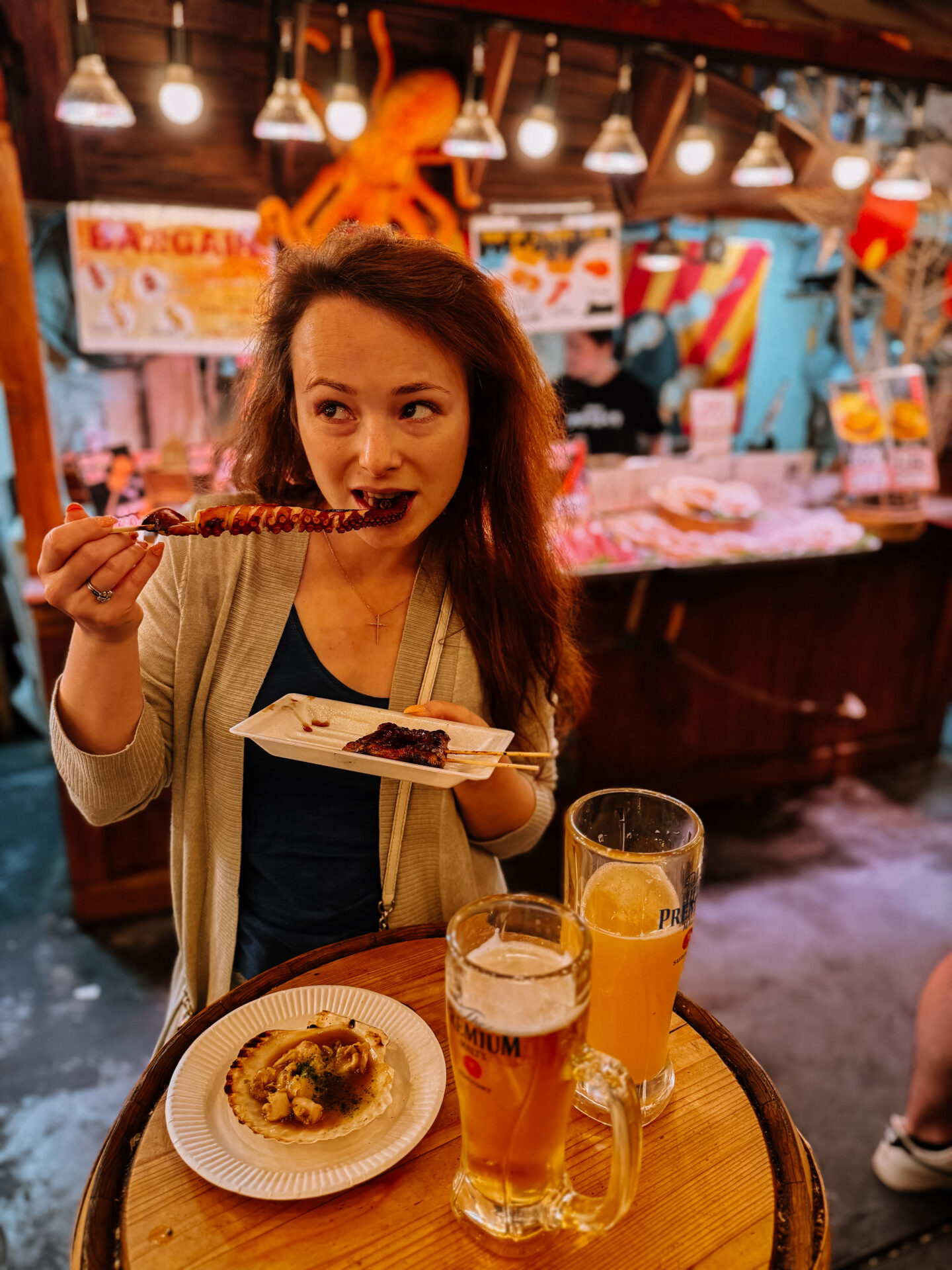
Nishiki-Markt
A paradise for food lovers! Over 100 stalls under one roof – perfect for sampling Kyoto’s street food. From matcha beer and grilled eel to pink sakura sake. I sampled seafood skewers, pickled vegetables, and fluffy tamagoyaki. Don’t miss the tastings.
Gion
The historic geisha district with cobbled alleys, wooden houses, and quiet teahouses. In the evening, lanterns glow and with some luck, you might spot a real maiko or geisha. Even without sightings, the evening stroll was magical.
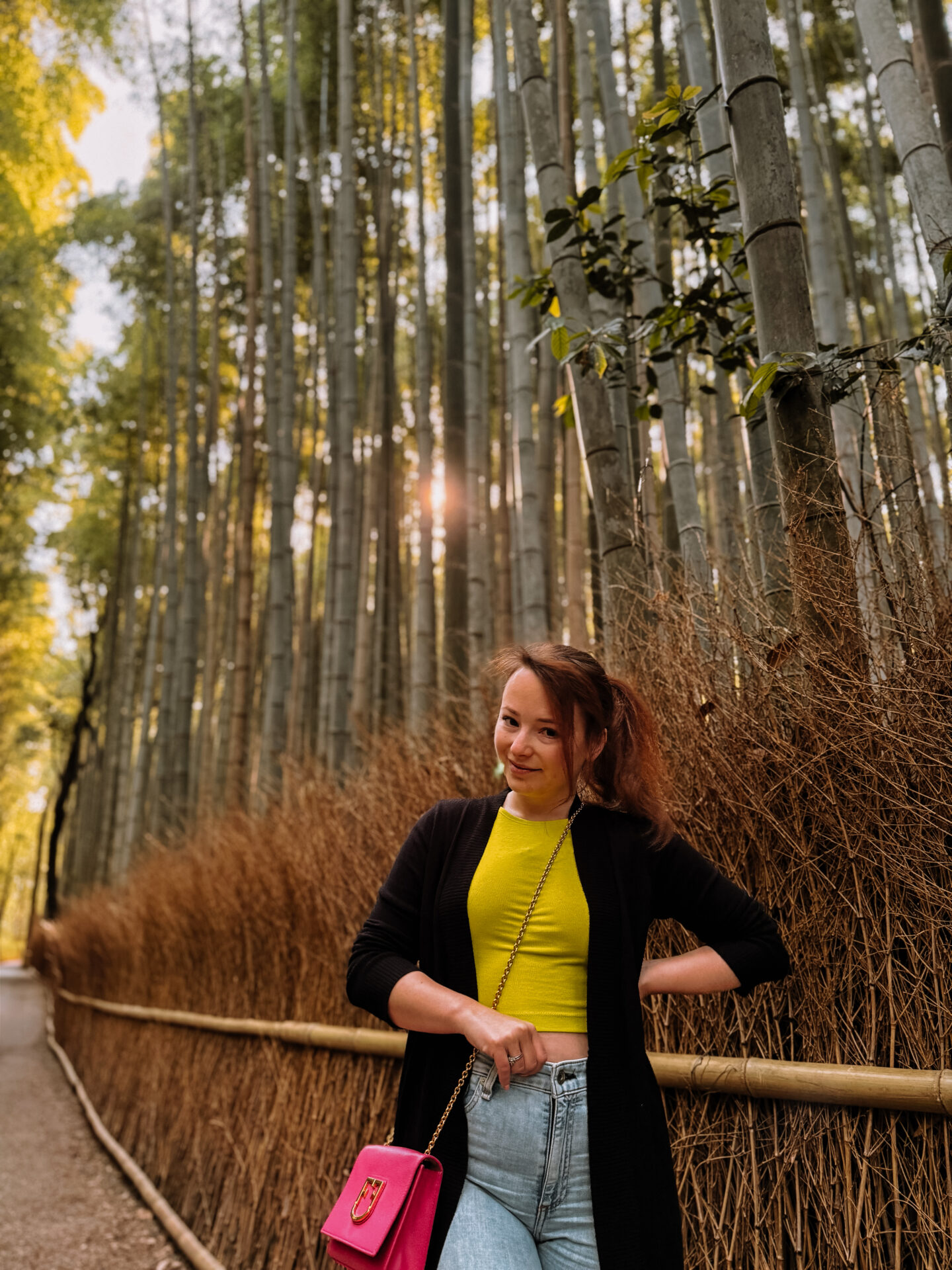
Arashiyama Bambuswald
Kyoto is very touristy. If you want to experience the Arashiyama Bamboo Grove in peace, you have to wake up early – really early! My walk at 6:30 AM was quiet and nearly mystical. An hour later, the forest was packed. The morning light filtering through the bamboo was breathtaking. Combine with a visit to the Togetsukyo Bridge or Monkey Park for a full day.
Higashiyama
One of the most beautiful historic districts with perfectly preserved streets, traditional shops, and temples – a true time travel feeling! But again: it gets crowded very early. Arrive at dawn if possible.
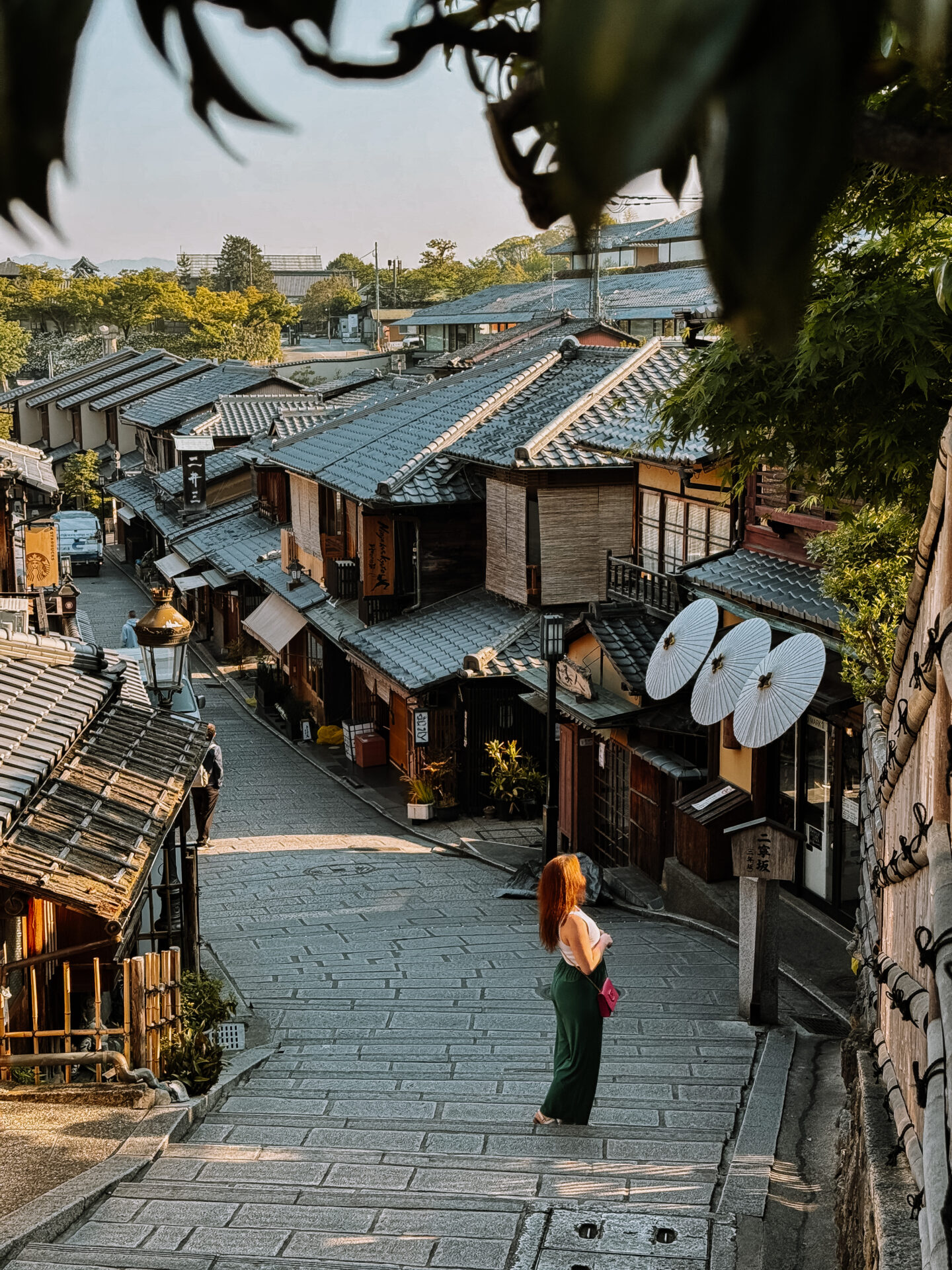
Tip: Take time for lesser-known temples in Kyoto – this is where you’ll really feel Japan’s spiritual side.
Day Trips from Kyoto – Nagoya, Nara & Osaka
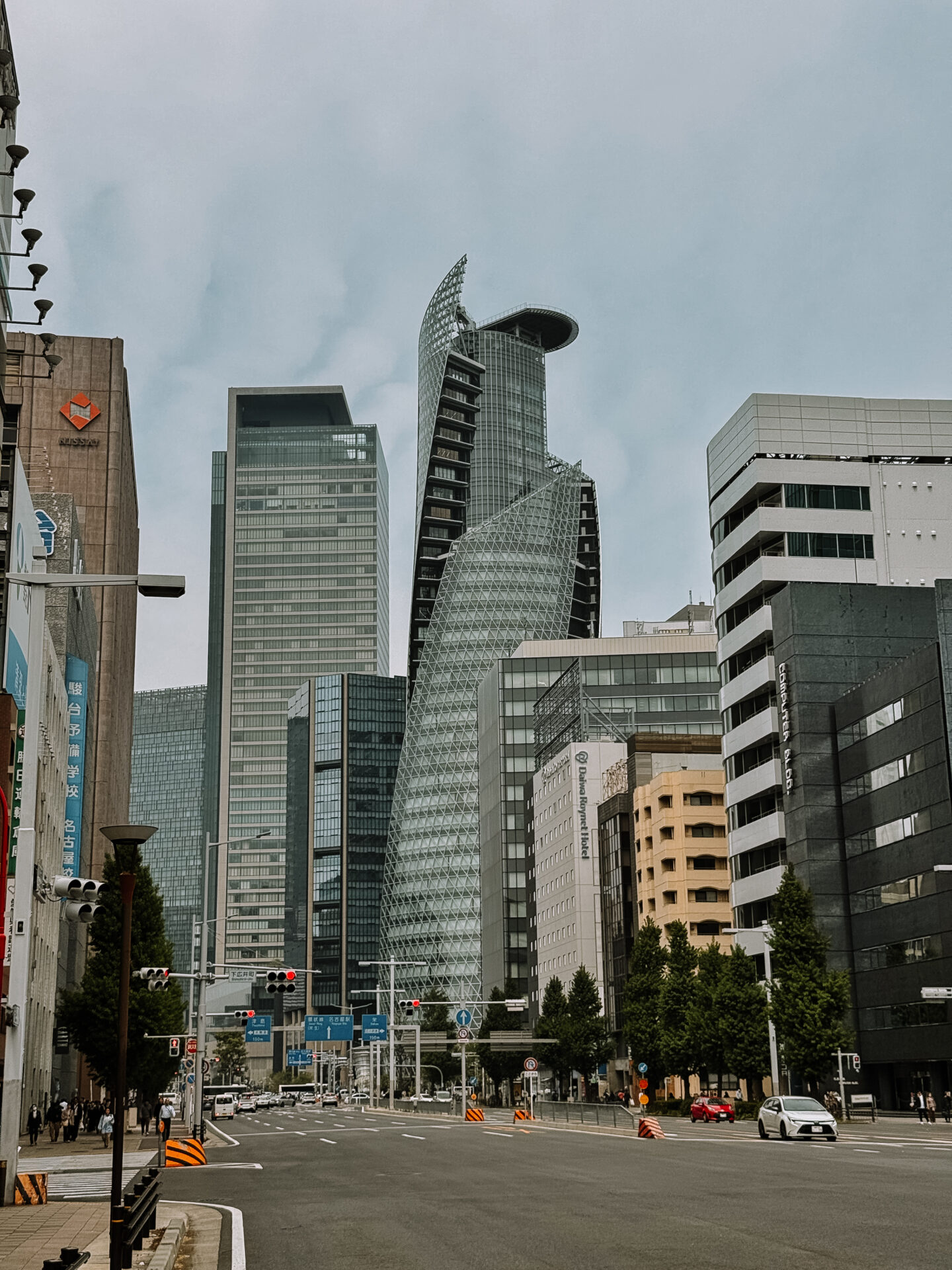
- Nagoya: FA real insider tip for vintage fashion lovers. The city may not be the prettiest in Japan, but when it comes to second-hand bags, shoes and clothing, it’s top-notch. I found some fantastic pieces – well-preserved, unique, and much more affordable than in Tokyo. Perfect for a low-key shopping day with surprising finds.
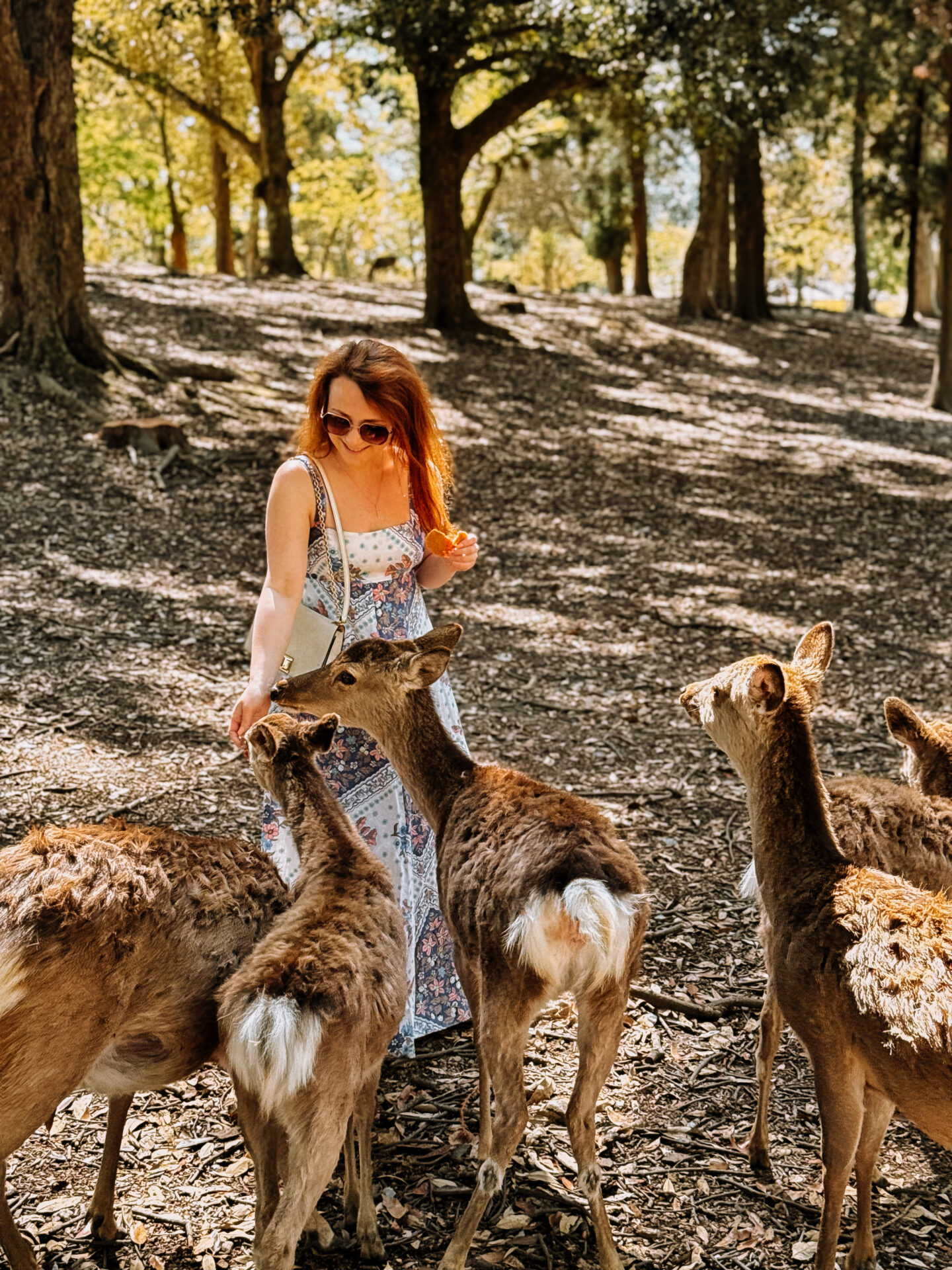
- Nara: Famous for Nara Park and its free-roaming deer – who are surprisingly friendly once you offer them deer crackers. But be careful: they bow, but they also like to nip at maps and bags! The giant Buddha in Todai-ji Temple is awe-inspiring, and strolling through the park is a peaceful contrast to the bustle of the cities. A perfect mix of nature, spirituality, and cute chaos.
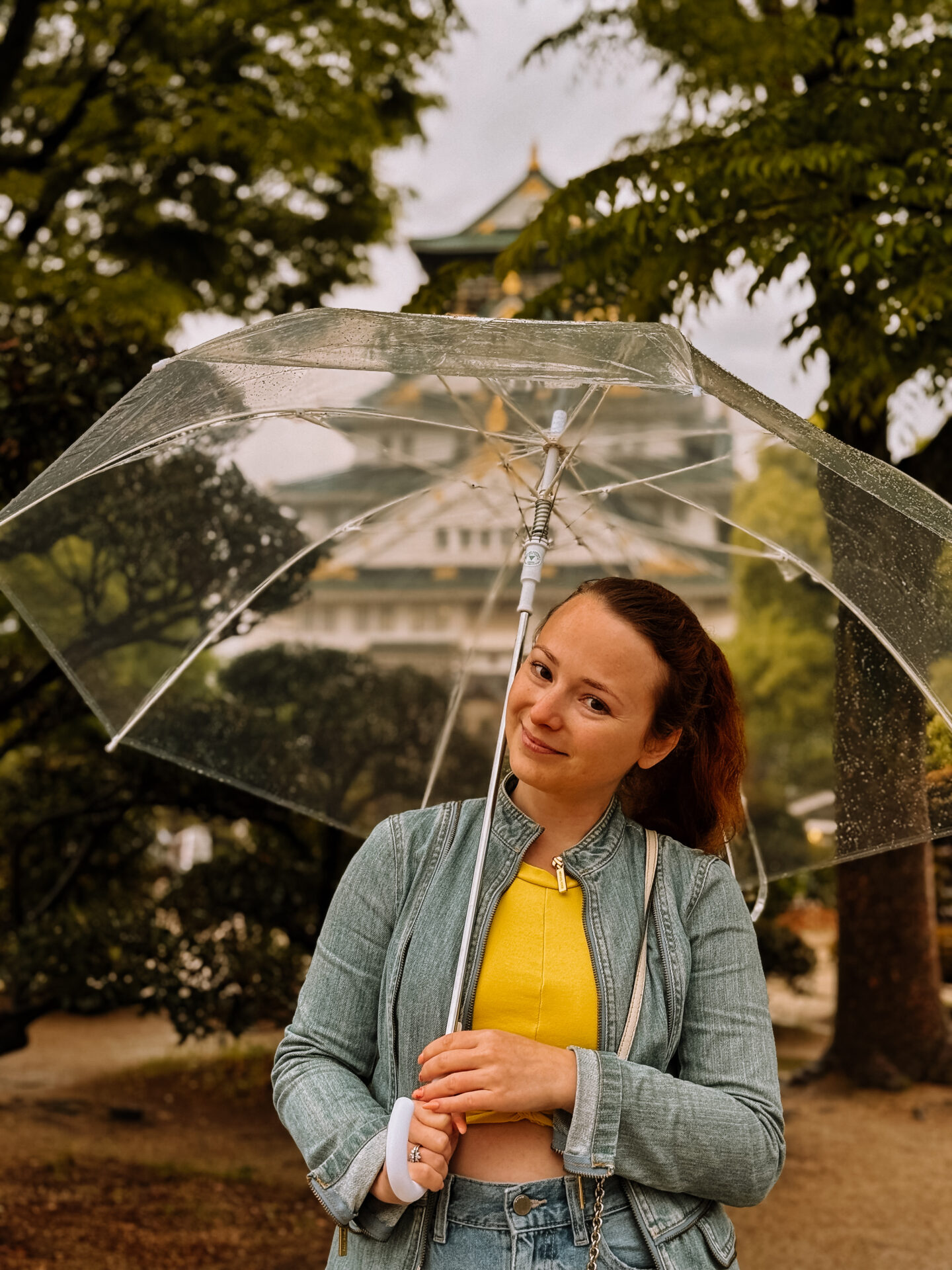
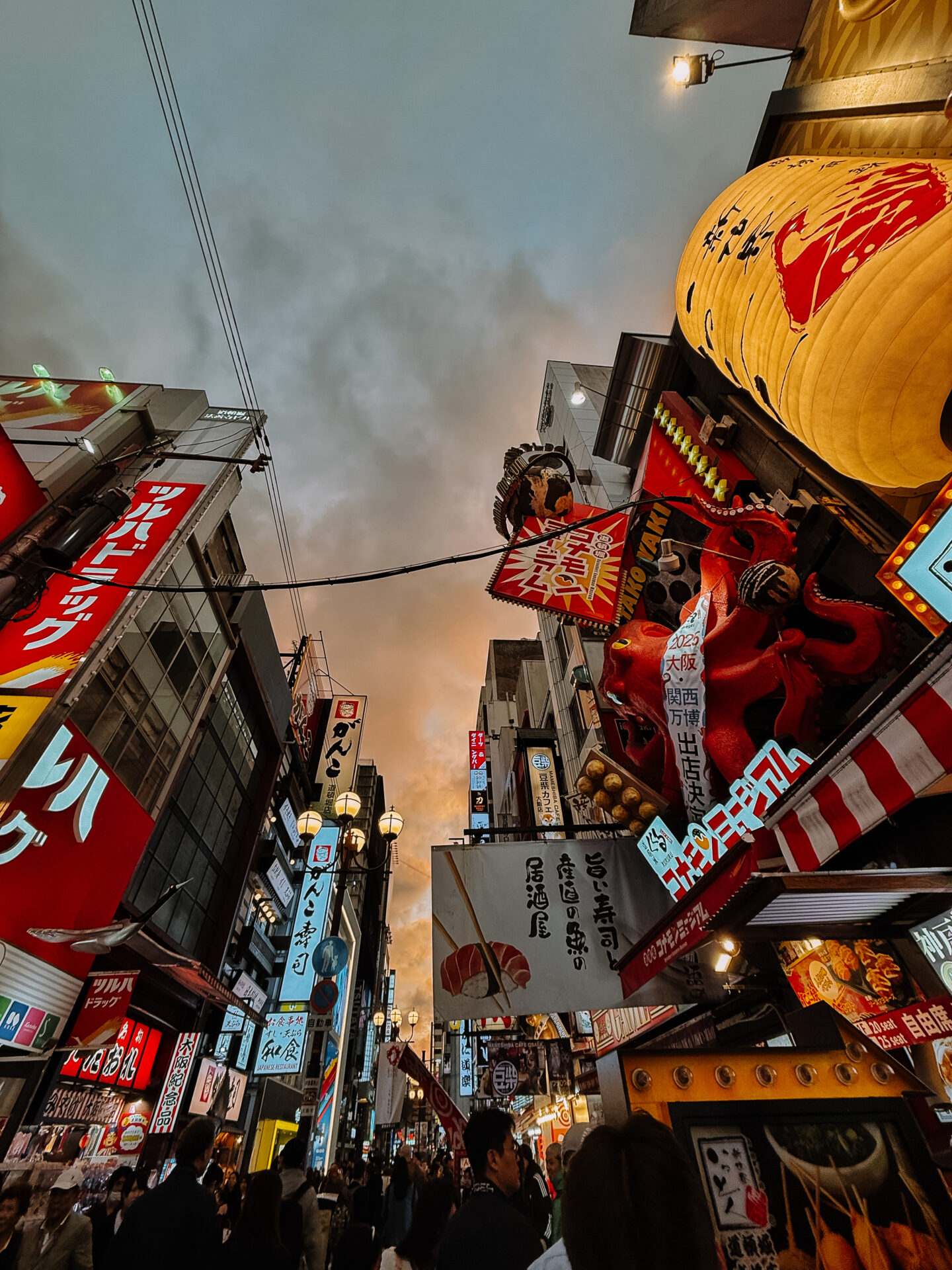
- Osaka: Loud, delicious, and full of life – Osaka is a food lover’s dream and perfect for a food tour! Especially around Dotonbori, where one street food stall follows the next: Takoyaki, Okonomiyaki, Gyoza, Yakitori. I sampled my way through the specialties – it was a feast! A visit to the Umeda Sky Building is also worth it, offering a stunning night view over the city. And don’t skip Osaka Castle – history meets scenic beauty in one of Japan’s most iconic landmarks.
Special Trains in Japan
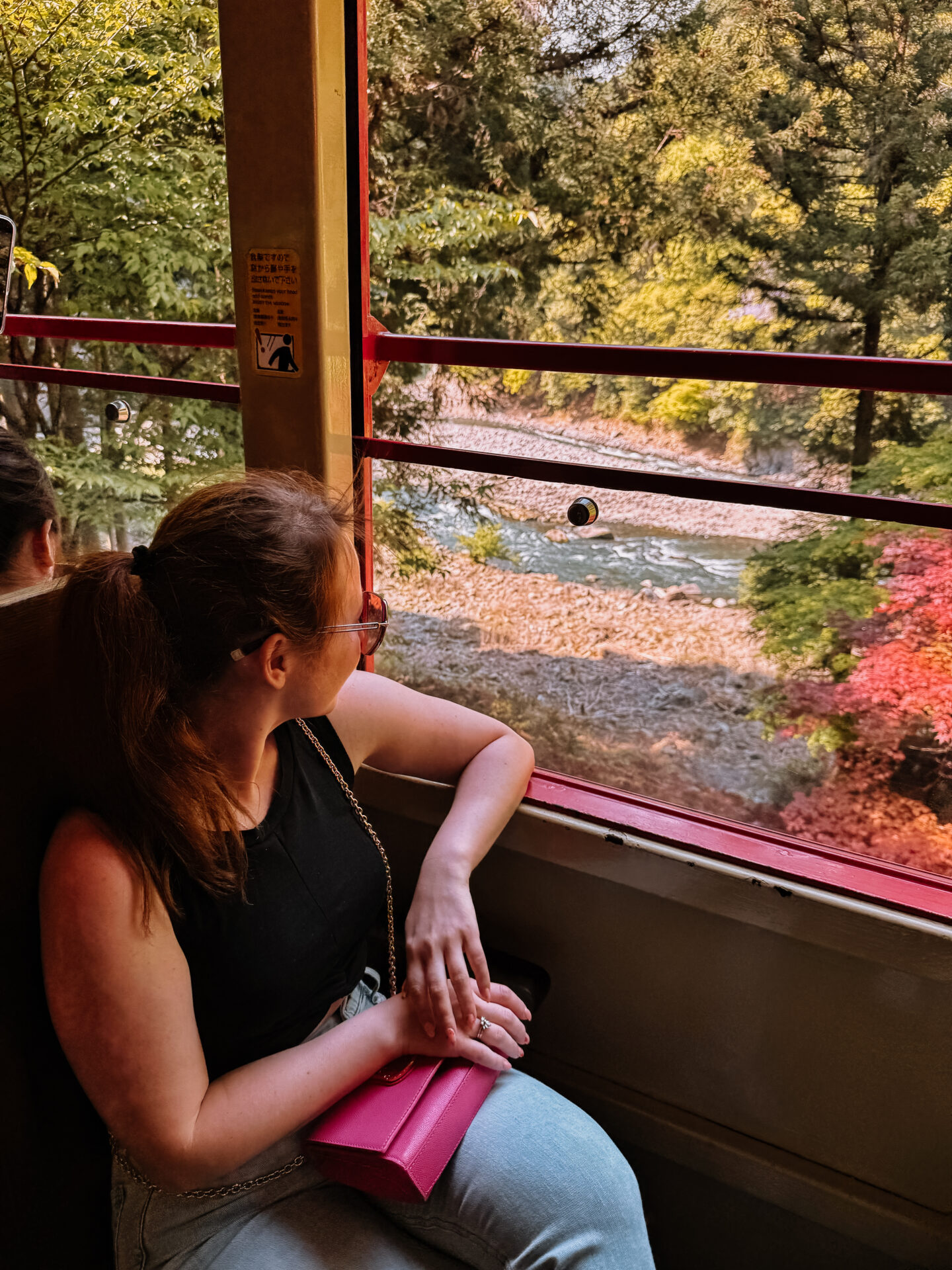
In addition to the famous Shinkansen, Japan offers many unique and themed train experiences. One of the most romantic is the Sagano Scenic Railway near Arashiyama – an old-fashioned train line that winds through wooded gorges and runs alongside the Hozugawa River. It’s especially breathtaking during cherry blossom season in spring or the vibrant foliage in autumn. Tickets cost ¥800 (approx. €4.70) for adults and ¥400 (approx. €2.35) for children, one-way. About seven round trips run daily between 9:00 AM and 5:00 PM.
Another gem is the stylish Kyoto-Osaka Sightseeing Express, a retro-style train with large panoramic windows and cozy lounge seating – perfect for a slow, scenic ride between the two cities. Tickets cost ¥2,140 (approx. €12.60) per adult (including express surcharge). Departure times from Kyoto Kawaramachi are around 10:49, 12:49, 14:49, and 16:49.
A real treat for food lovers is the Dessert Train (e.g. on the Izukyu Line), where passengers are served sweet delights while gliding along Japan’s picturesque coastal landscapes. Prices range from ¥3,500–12,660 (approx. €21–75), depending on the route and seat class. These trains usually operate on weekends or seasonally – advance reservations are highly recommended.
There are also plenty of fun themed trains worth checking out, such as the Hello Kitty Shinkansen, the Genbi Shinkansen (which features modern art onboard), or the ultra-luxurious Seven Stars cruise train in Kyushu. These trains offer far more than just transportation – they’re immersive experiences on rails, perfect for train enthusiasts and curious travelers alike.
Best Time for a 3 Weeks Japan Itinerary
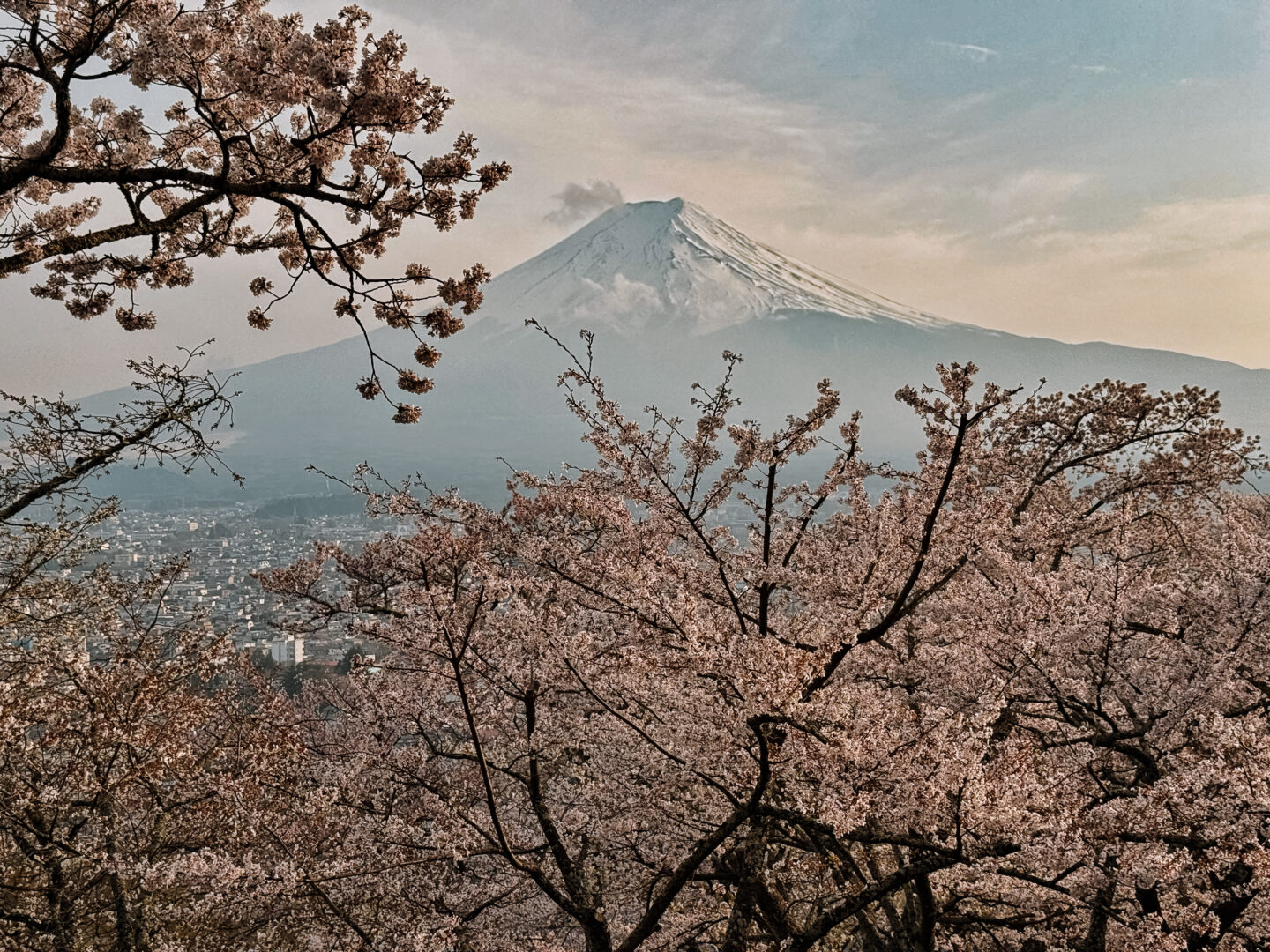
Japan is a country with four distinct seasons – each offering its own unique charm. If you’re hoping to catch the cherry blossoms, aim for late March to mid-April. In Tokyo and Kyoto, full bloom typically occurs between March 25 and April 5. In higher-altitude regions like Nagano or near the Chureito Pagoda, the blossoms bloom much later. Depending on the weather, you might still find cherry trees in full bloom into late April. These areas are ideal for travelers planning a later trip or those looking to avoid the peak crowds in the cities.
Cherry blossom season is more than just a natural spectacle – it’s deeply rooted in Japanese culture. In parks and temple grounds, you’ll see school groups, families, and friends picnicking under the pink blossoms, eating, drinking, and celebrating. This tradition, called hanami (flower viewing), is a vibrant and emotional custom that everyone should experience at least once.
If you’re not a fan of heat, it’s best to avoid summer. July and August are not only hot and humid but also peak travel months for locals, which means crowded trains, hotels, and attractions. On the upside, summer is also festival season, with colorful matsuri and impressive firework shows that bring a magical energy to the warm nights.
Autumn (October to November) is a favorite for hikers and photographers: mild temperatures, crisp air, and the vivid fall foliage (koyo) transform Japan’s landscapes into a sea of red, gold, and orange. Many temples and gardens even feature nighttime light displays during this season.
Winter has its own appeal too. Regions like Hokkaido, the Japanese Alps, and the area around Nagano offer perfect conditions for winter sports. Plus, travel is often cheaper during the colder months, with fewer tourists – except around New Year’s, which is a major holiday period.
In short, the best time to visit Japan really depends on what you’re looking for. But if cherry blossoms or fall colors are on your bucket list, you’ll be rewarded with nature at its most breathtaking.
Mount Fuji – Glamping & Viewpoints
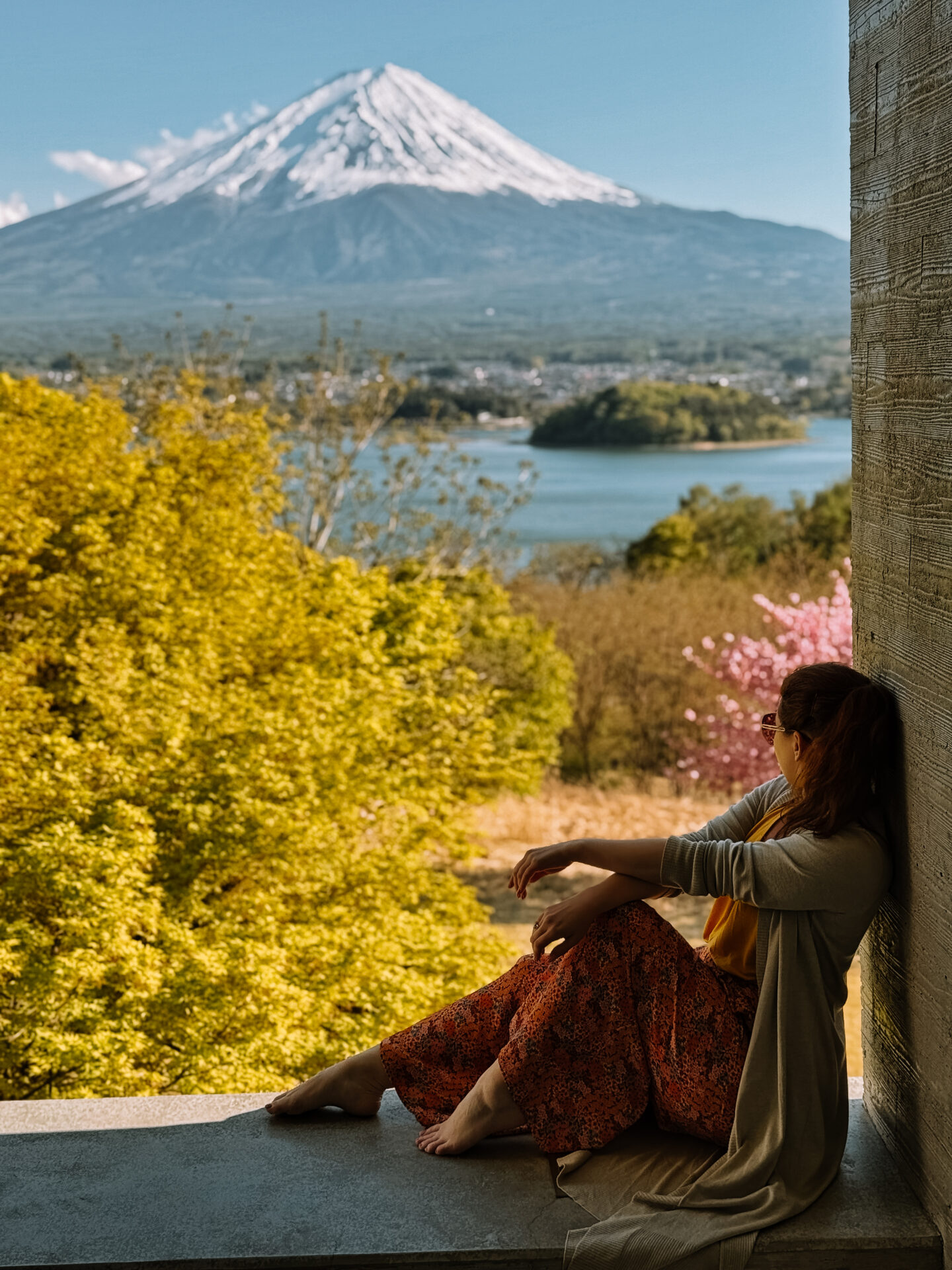
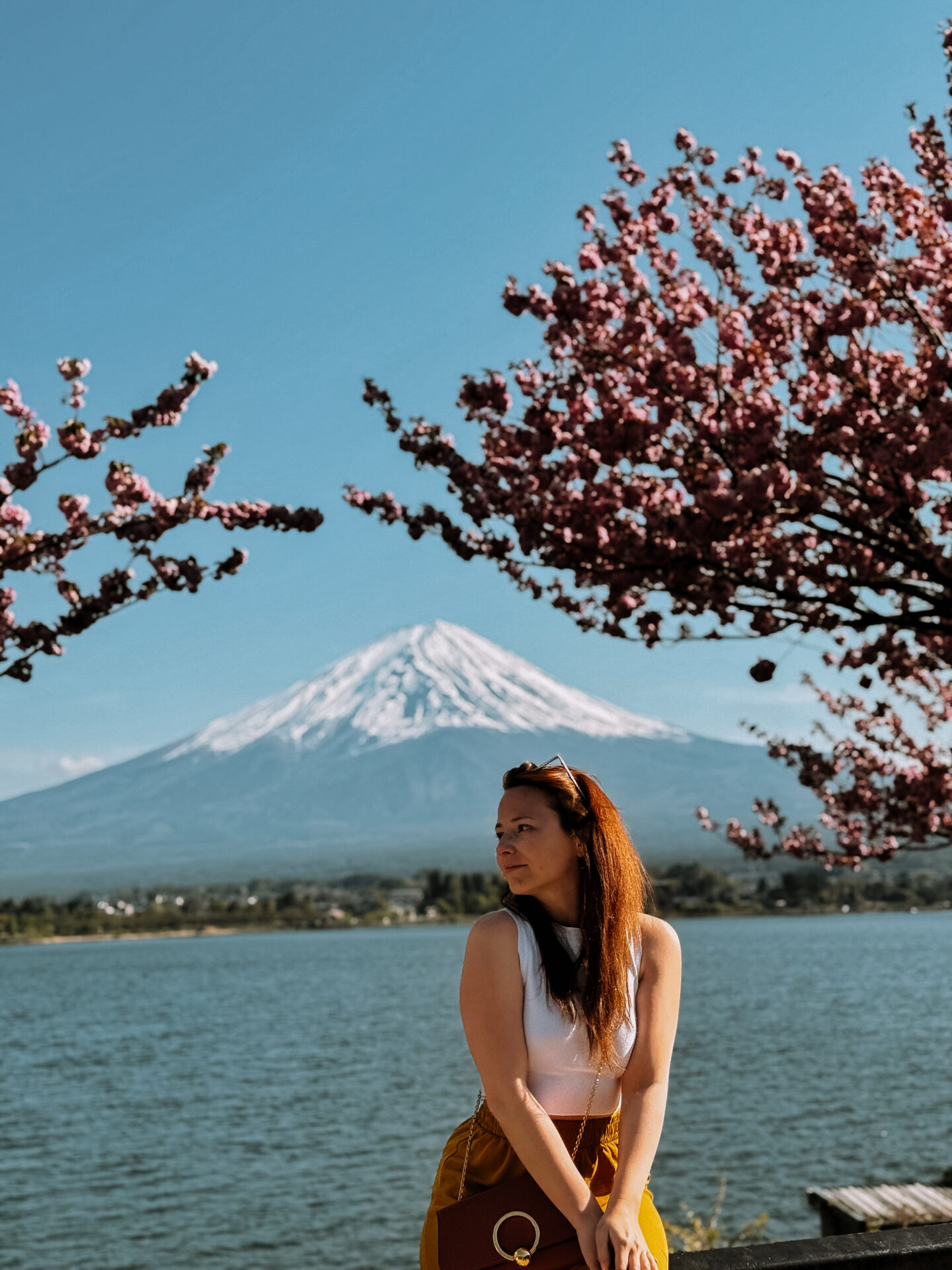
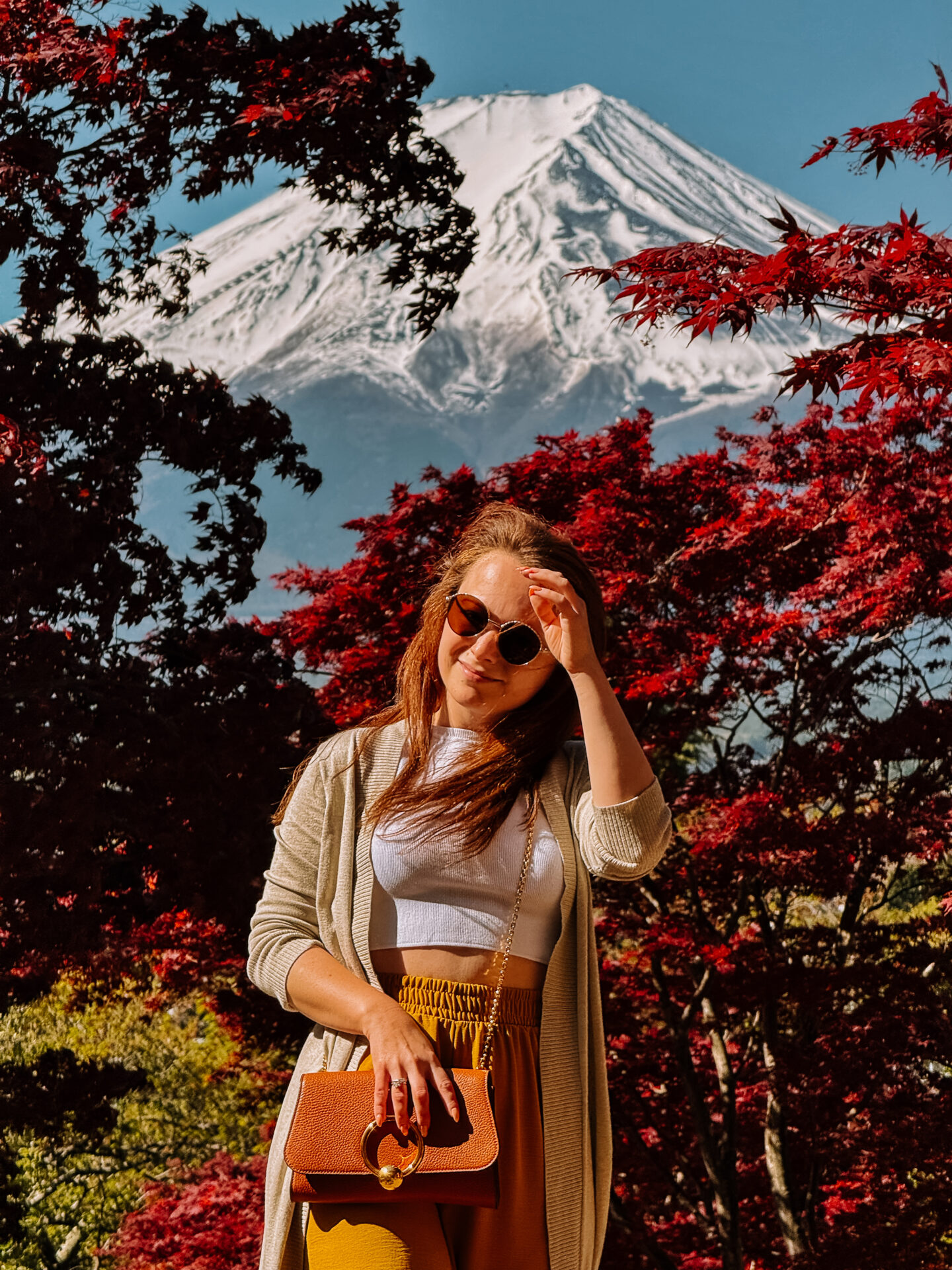
From Kyoto, I continued to Mount Fuji – more precisely to Kawaguchiko – where I stayed three nights in a hotel with a direct view of the mountain. Originally, I had planned to visit Fuji before or after Tokyo, but my dream hotel was only available at this point in the trip, so I rearranged a bit. In hindsight, it was absolutely the right choice.
My stay at the foot of Fuji in the Hoshinoya Fuji – a luxury glamping resort tucked in nature – was a true highlight. The cabin featured stylish interiors and a glass front with uninterrupted views of majestic Mount Fuji. In the evenings, we enjoyed a hotpot dinner on our private terrace, wrapped in blankets beside a small fire, overlooking the calm lake and the snow-capped peak. In the early mornings, the mountain revealed itself particularly clearly – absolutely magical.
Luggage Forwarding – Travel Light, Stress-Free
One of the biggest travel hacks I discovered in Japan was the luggage forwarding service. I had my large suitcase sent directly from Kyoto to Hiroshima while I explored Mount Fuji with just a backpack – highly recommended! Companies like Yamato Kuroneko offer reliable luggage forwarding: your suitcase or bag is picked up from your hotel and delivered to your next destination the very next day – whether that’s another hotel or even the airport.
Good to know: prices typically range from €15–25 per item, depending on size and distance. Same-day pickup and next-day delivery are standard. Most hotel staff are familiar with the process and will happily help fill out the form – often available in English.
In addition, many train stations have coin lockers or luggage storage services, perfect if you just want to store your bags for a few hours. These are especially useful for day trips or when you’ve checked out in the morning but still want to explore luggage-free.
My Top 5 Fuji Viewpoints
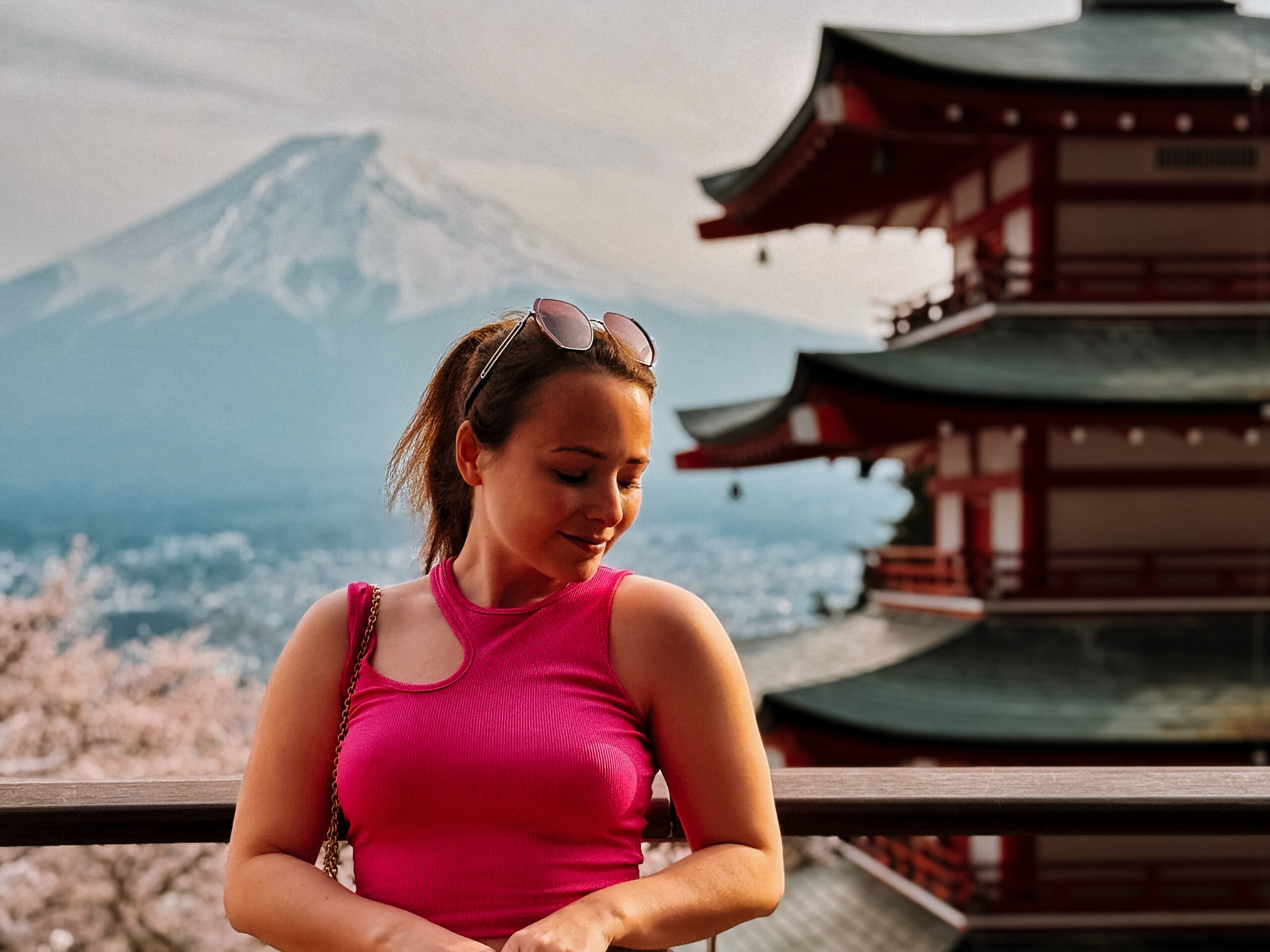
- Chureito Pagoda: The iconic postcard view with the pagoda, cherry blossoms, and Fuji in the background. Best visited early in the morning or around sunset. Due to its elevation, cherry blossoms bloom later here – on April 18, they were in full bloom.
- Lake Kawaguchi: Plenty of lakeside paths and cafés with direct Fuji views.
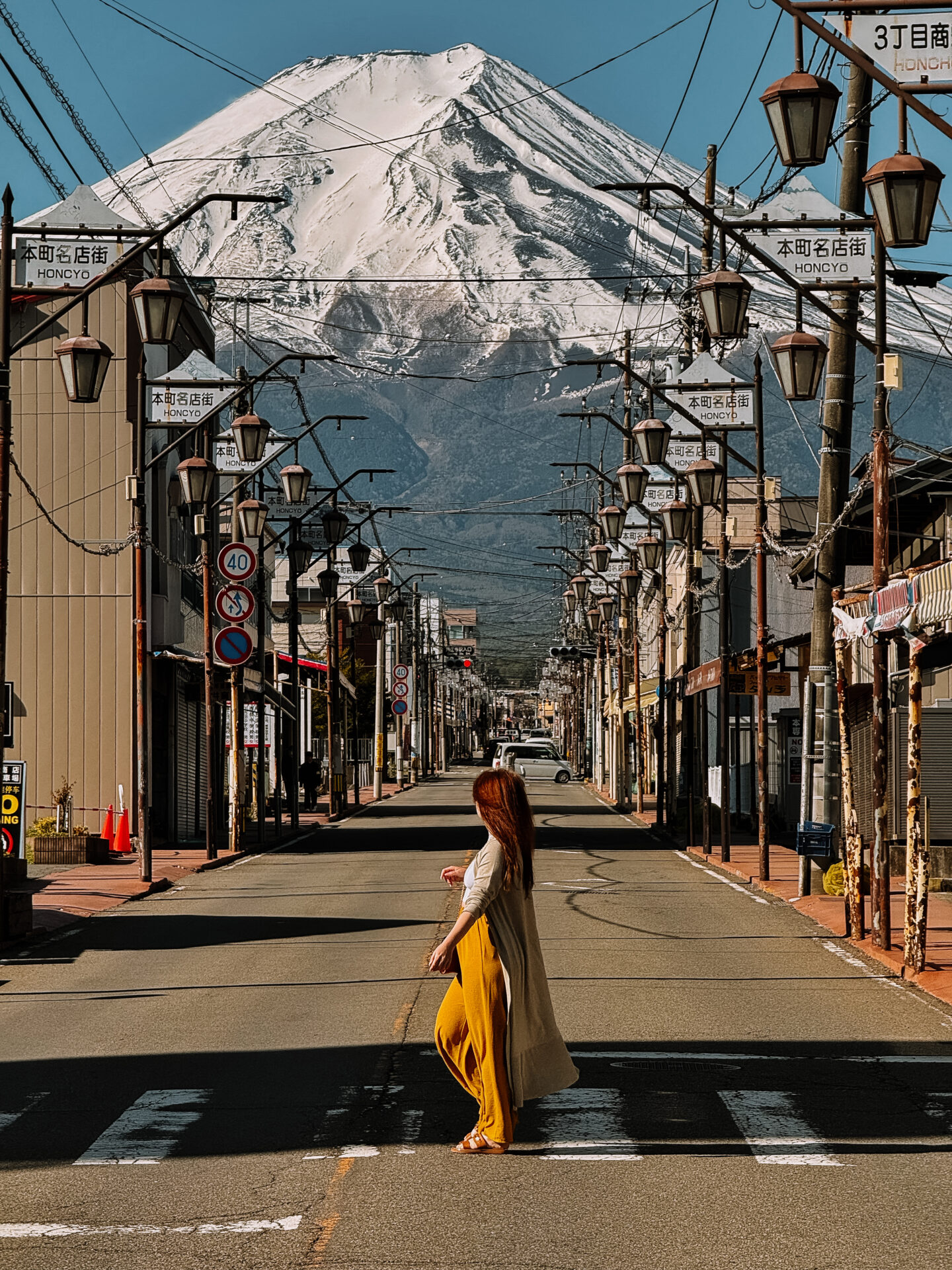
- Shimoyoshida Honcho Street: The classic “street with Mount Fuji behind it” photo spot. But come early to avoid the crowds and get a clear shot.
- Hoshinoya Fuji Cabin Terrace: Quiet, exclusive, and located directly at the forest’s edge – pure serenity.
- Sengen Park: A peaceful green space with beautiful Fuji views, perfect for a relaxing picnic.
Important Tip: Not all train routes are covered by the Japan Rail Pass, such as the Fuji Excursion. Also, book your accommodations and transport well in advance – especially during cherry blossom season.
Practical Travel Tips & Culture
- Internet & Navigation: I used an eSIM – quick, easy to activate, and perfect for navigating with Google Maps or Hyperdia.
- Money & Payments: Credit cards aren’t accepted everywhere – especially at smaller restaurants, local shops, temples, or metro ticket machines (for single rides). It’s definitely worth carrying some cash (yen) with you at all times. The easiest way to withdraw is at 7-Eleven ATMs, which accept most international cards.
- IC Cards (Suica, Pasmo & more): These rechargeable smart cards are super convenient for getting around cities like Tokyo, Kyoto, or Osaka. Just tap in and out at the gates – no need to buy individual tickets. They work on subways, buses, many regional trains, and even at vending machines, convenience stores, and some cafés or restaurants. You can buy them at station counters or ticket machines and top them up with cash or card. Alternatively, you can add the mobile Suica to your iPhone or Android (via Apple Wallet or the Suica app). Note: The app is in Japanese – a little patience with setup goes a long way!
- Trash & Recycling: Waste separation in Japan is serious business – and trash bins are surprisingly hard to find. Often, you’ll only see bins for bottles or plastic. Many locals take their trash home, following the cultural principle of “mottainai” – a mindset of not wasting resources. As a visitor, it’s smart to keep a small bag in your daypack for any trash and dispose of it later at your hotel.
- Language: A few polite Japanese phrases go a long way. Many signs and menus have English, but a smile and a simple “Arigatou” always help.
- Ordering in Restaurants: Many restaurants offer tablets for ordering, making it super easy to order without knowing much Japanese – very convenient!
- Etiquette: Taking off your shoes is standard in ryokans or traditional restaurants. Loud phone calls in trains or restaurants are considered impolite.
- Toilets: Public restrooms in Japan are impressively clean, free to use, and found nearly everywhere – in stations, parks, department stores, and even small convenience stores. Many are equipped with features like heated seats, sound effects, or bidets. You usually won’t need tissues – there’s always toilet paper.
- Power Outlets & Devices: Japan uses flat two-pin Type A plugs, which often aren’t compatible with European devices. Some electronics, like my Dyson hairdryer, didn’t work even with an adapter. I had to buy a straightener on the spot – definitely something to keep in mind when packing!
Restaurant & Rooftop Recommendations
Japan isn’t just famous for its street food – it also delivers when it comes to fine dining, cafés, and rooftop bars. Here are some of my personal highlights:
- Kobe Beef Daia (Shibuya): Premium Kobe beef prepared right in front of you in a sleek setting. The marbling was out of this world – melt-in-your-mouth tender and full of flavor.
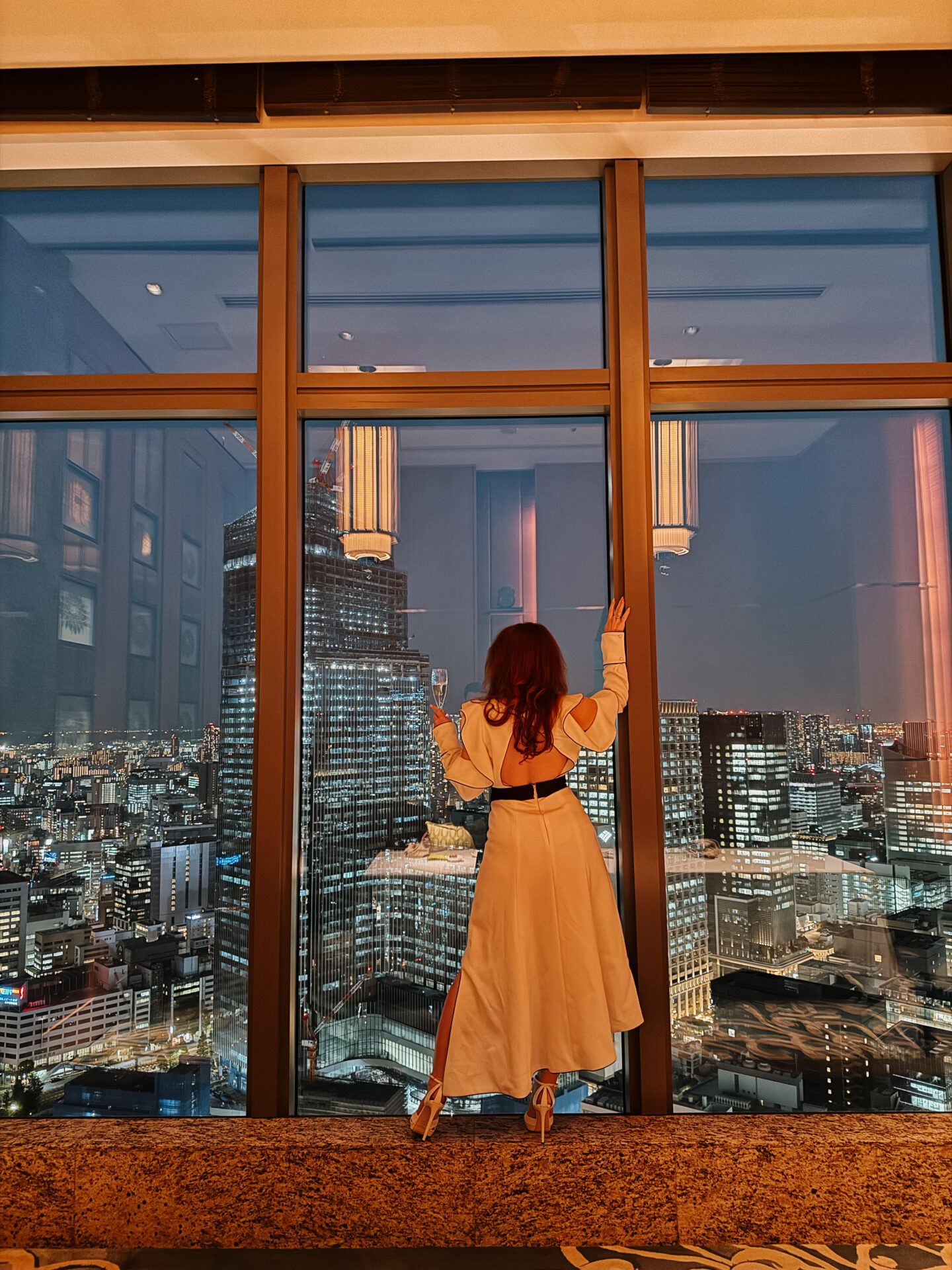
- Mandarin Oriental (Tokyo): Dinner and drinks with a view! The restaurant and bar on the 38th floor serve not only top-notch cuisine and cocktails but also a breathtaking skyline panorama.
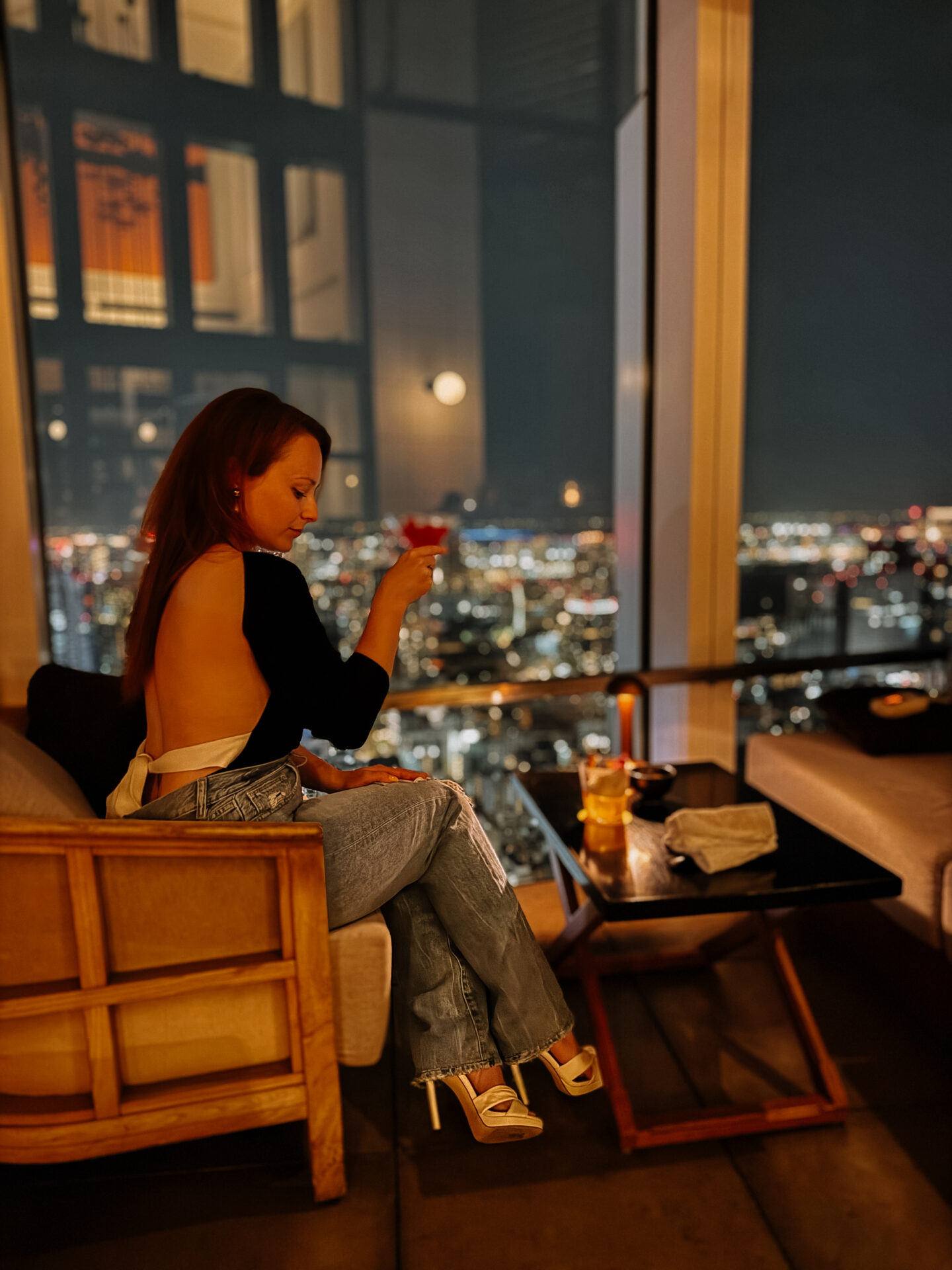
- Andaz Tokyo (Toranomon Hills): The rooftop bar is especially magical at night – with fire pits, lounge seating, and views all the way to Tokyo Tower.
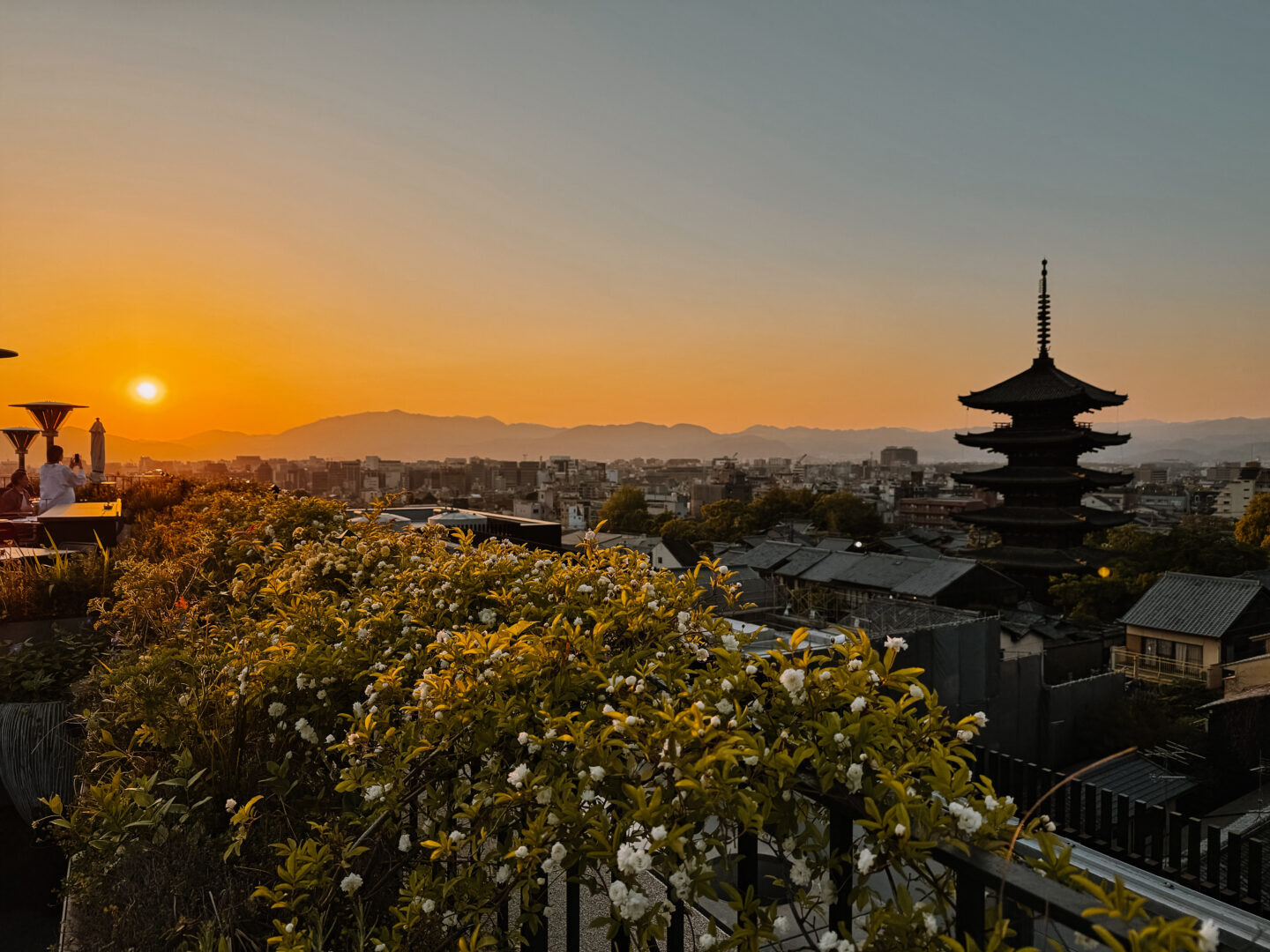
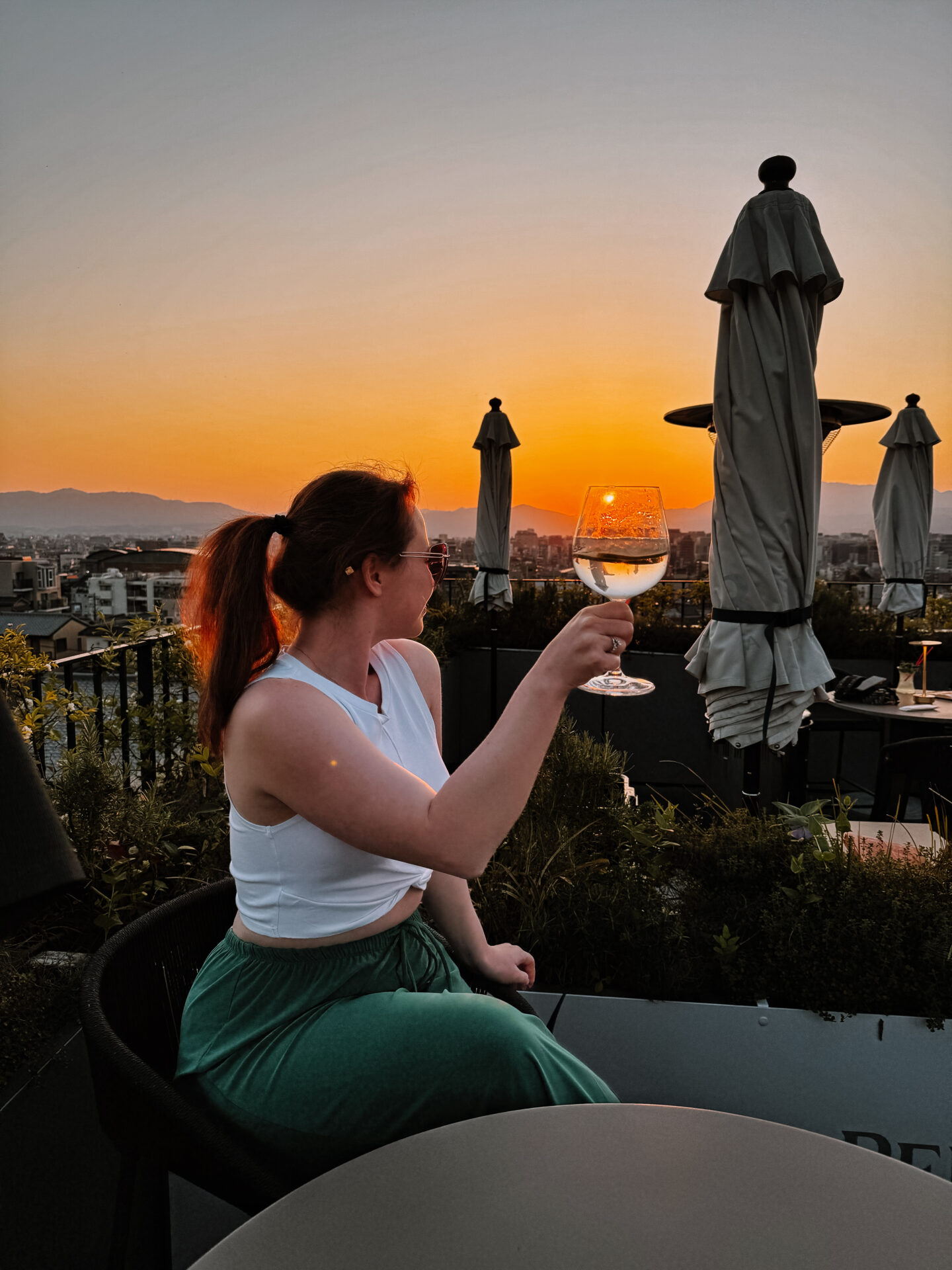
- K36 The Bar & Rooftop (Kyoto): I sipped a cocktail here at sunset while gazing out over Kyoto’s rooftops and the glowing Higashiyama district. Tip: Without a reservation, arrive at least two hours before sunset – later, the line gets very long.
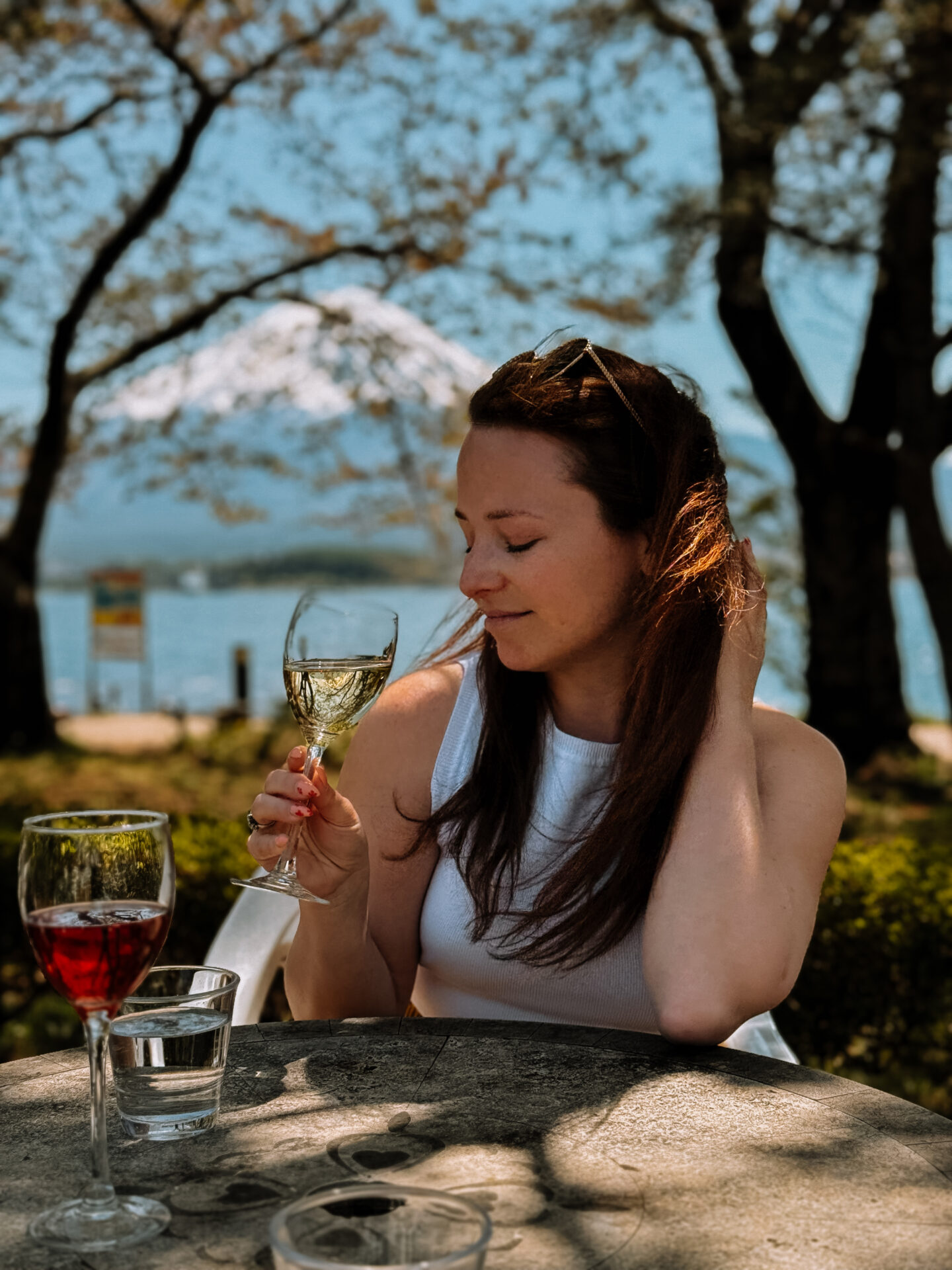
- Café Mimi (Fuji): A stylish and peaceful spot to rest after a walk along Lake Kawaguchi – calm, well-designed, though slightly quirky.
- Hoshinoya Fuji: More than just a place to stay – it’s a culinary experience, from hotpot on the terrace to a tasting menu under the stars in the middle of the forest.
Hiroshima & Miyajima – History Meets Vitality
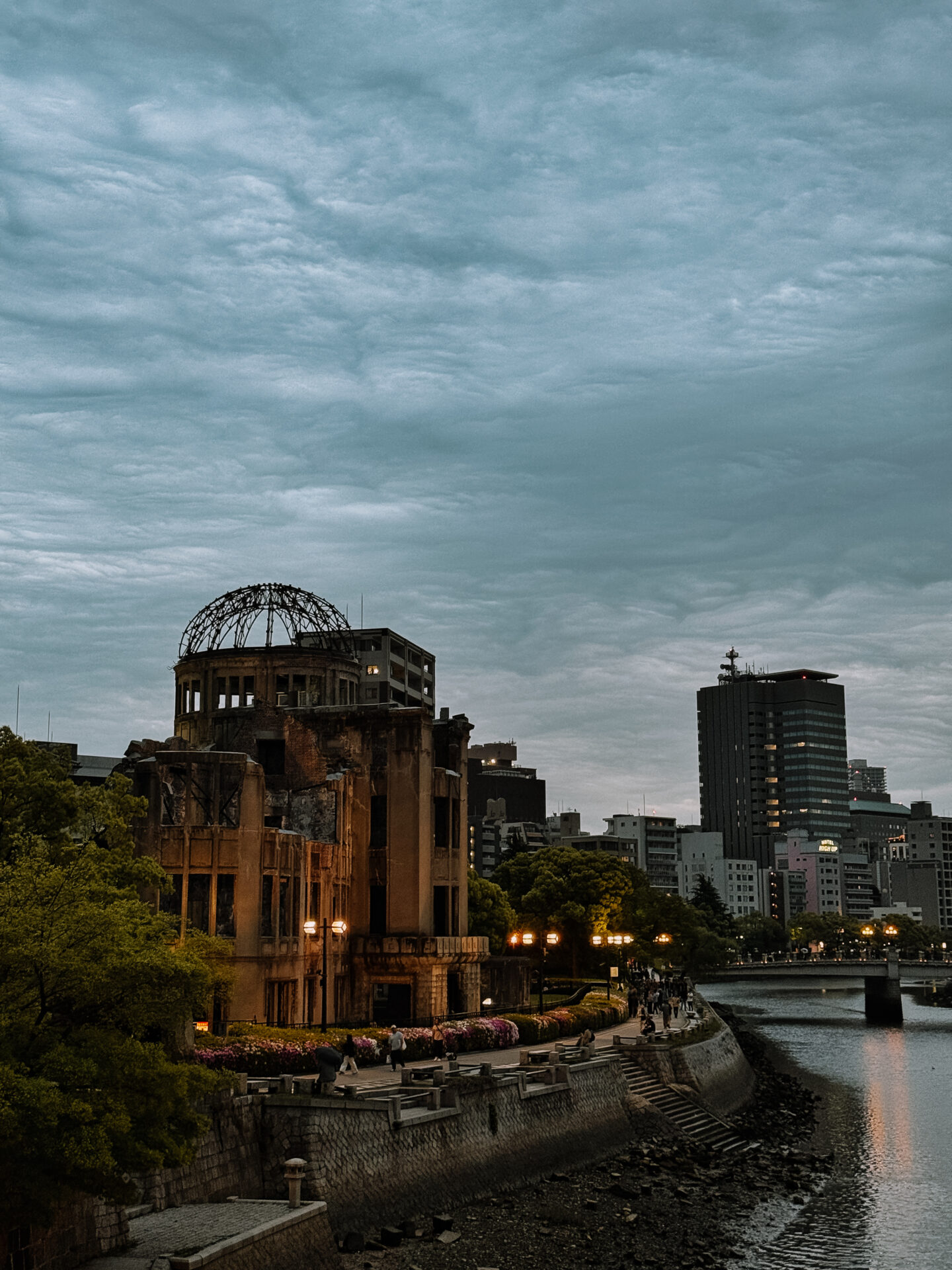
I ended my journey with two nights in Hiroshima – a place that truly gives you pause. I spent deeply moving hours at the Peace Memorial Park and Museum. The atmosphere was quiet and respectful, and what I saw left a lasting impression. The testimonies of survivors, the scale model of the destroyed city, and the view of the A-Bomb Dome make history feel incredibly tangible.
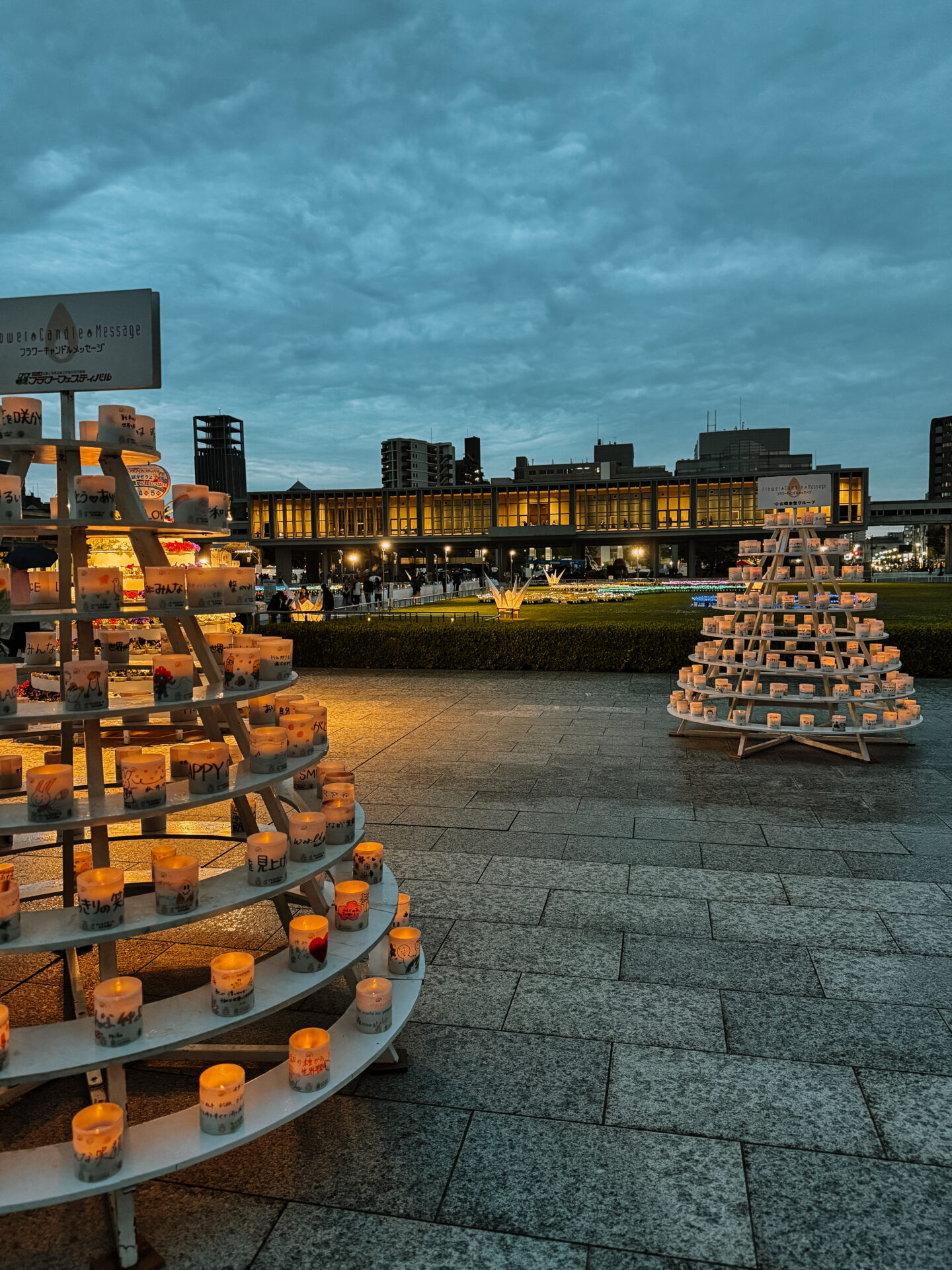
At the same time, the colorful Flower Festival was taking place: live music on open-air stages, cheerful families sipping cherry blossom lemonade, and endless food stalls selling okonomiyaki, karaage, sweet sake, and other specialties. The contrast couldn’t have been greater – and that’s exactly what made it so special: Hiroshima remembers, mourns, and celebrates all at once.
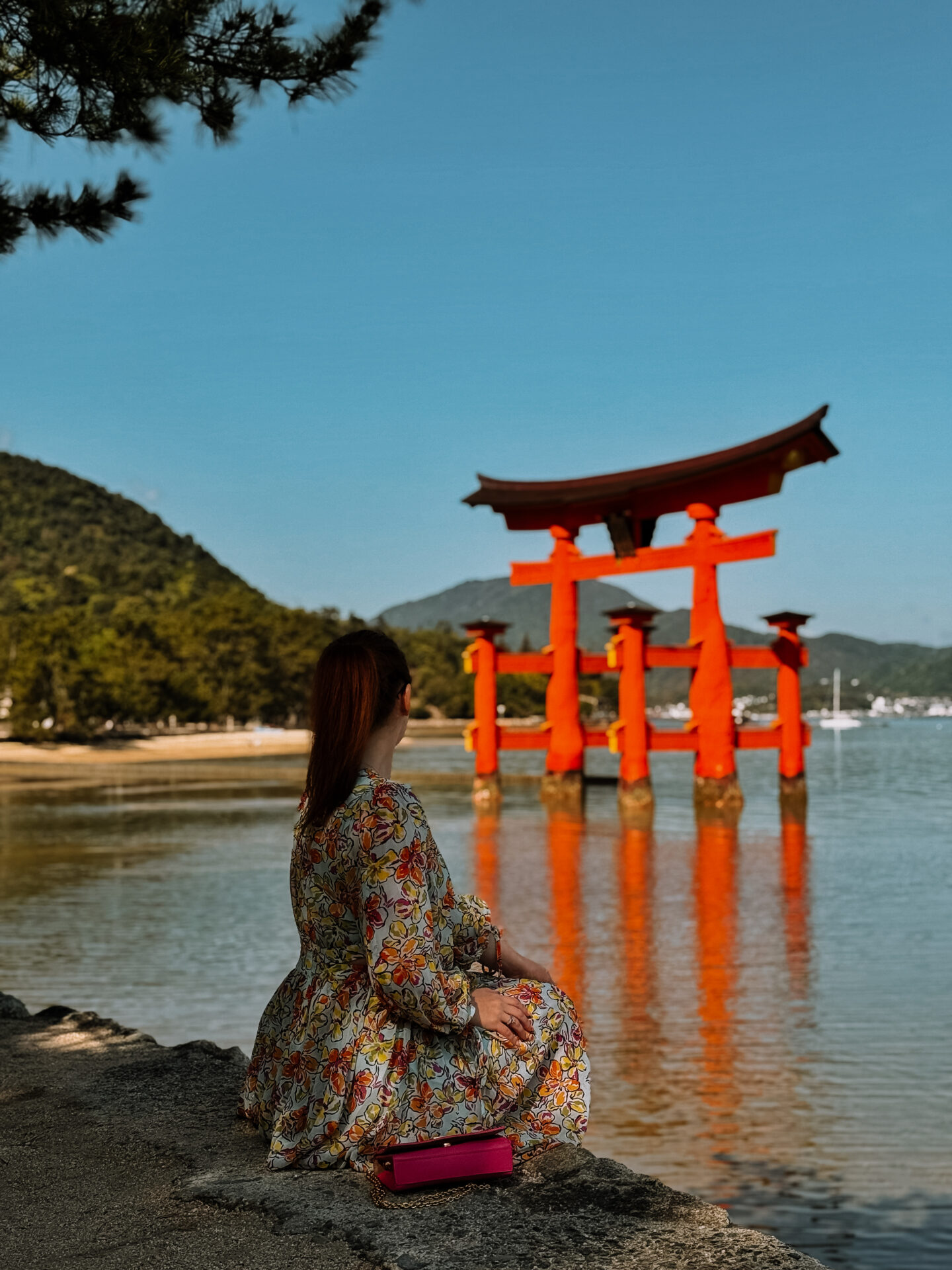
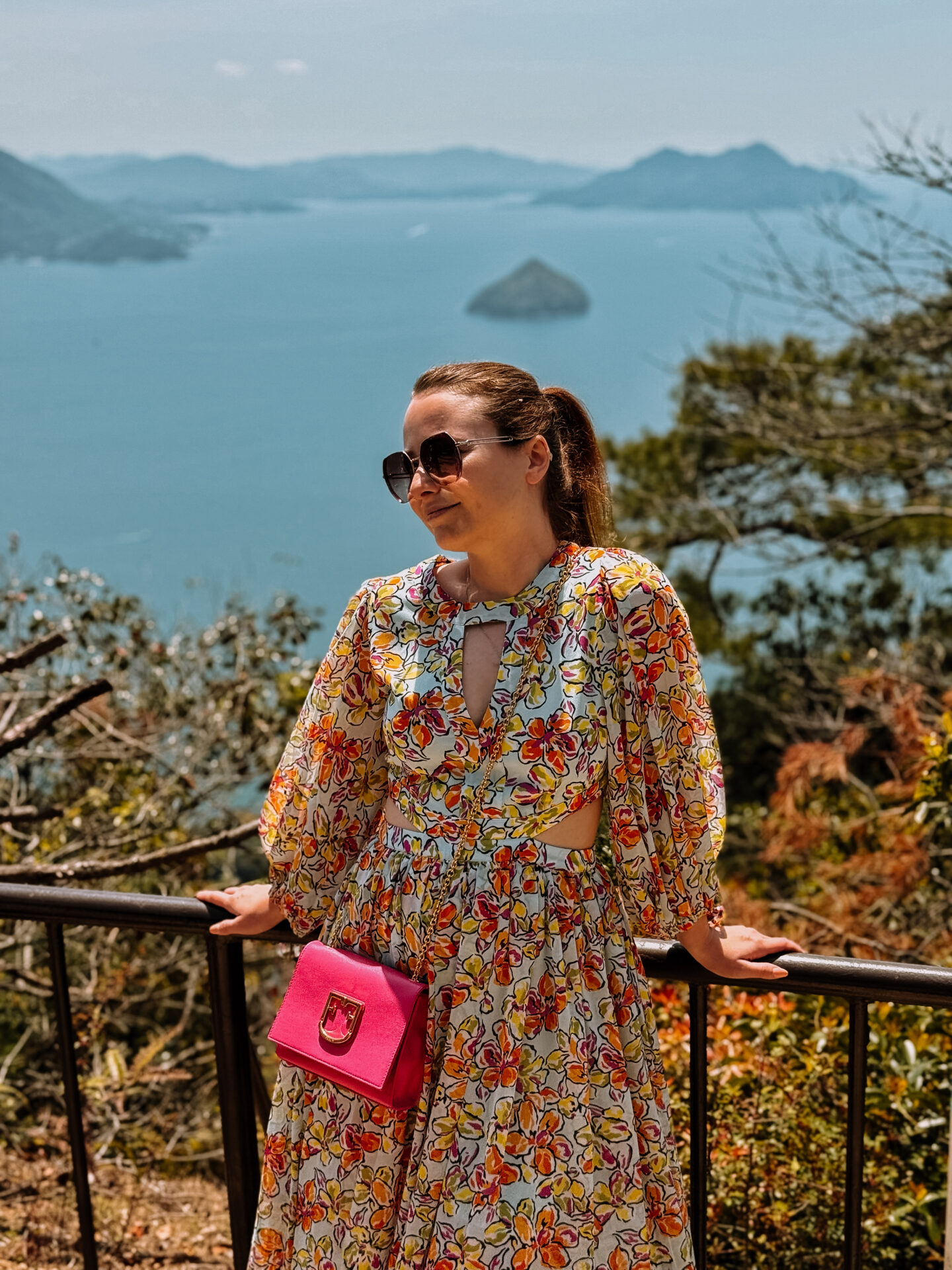
One day trip took me to Miyajima. Even the ferry ride over was full of atmosphere. The famous “floating torii” of Itsukushima Shrine truly appears to hover above the water at high tide. I took the cable car up Mount Misen, which offers a spectacular view over the Seto Inland Sea. The hike itself wasn’t too strenuous, and along the way I once again encountered freely roaming deer. Miyajima has a calm, almost reverent atmosphere. And oysters aren’t just a specialty of the island – they’re also found in Hiroshima: grilled, juicy, and an absolute treat for seafood lovers.
Is a 3 Weeks Japan Itinerary Worth It?
Three weeks, countless impressions – and still I feel like I’ve only scratched the surface. Japan left a deep mark on me with its contrasts, its beauty, its serenity, and its vibrant energy.
I was blown away by the politeness, the efficiency, the food, the culture, and the natural landscapes. The blend of old and new, of fast-paced city life and meditative temple calm – it’s addictive. And one thing is certain: this won’t be my last trip to Japan.
There’s still so much more to explore: Tohoku, Kyushu, Okinawa…
But that’s a story for another time.
If you enjoy long, personal travel guides like this one, you might also like exploring more of my travel stories from Asia.