This post contains affiliate links. If you book or purchase through these links, I may earn a small commission at no extra cost to you. This helps support my work and allows me to keep creating detailed travel guides.
Namibia is a country that almost demands to be experienced by road. The distances are vast, the landscapes constantly shifting, and the feeling of space is unlike anywhere else I’ve traveled. From the moment I started driving, it became clear that this is not a destination for rushing from highlight to highlight. The road itself is part of the experience.
This road trip took me across an incredible range of landscapes: wildlife-rich savannas, endless gravel roads, surreal rock formations, coastal fog, towering sand dunes, abandoned ghost towns, and finally one of the largest canyons on the African continent. It was a journey that required time, patience, and planning – but rewarded every kilometer driven.
In This Guide
My Namibia Road Trip Route
Arrival in Windhoek → Direct drive to Etosha National Park
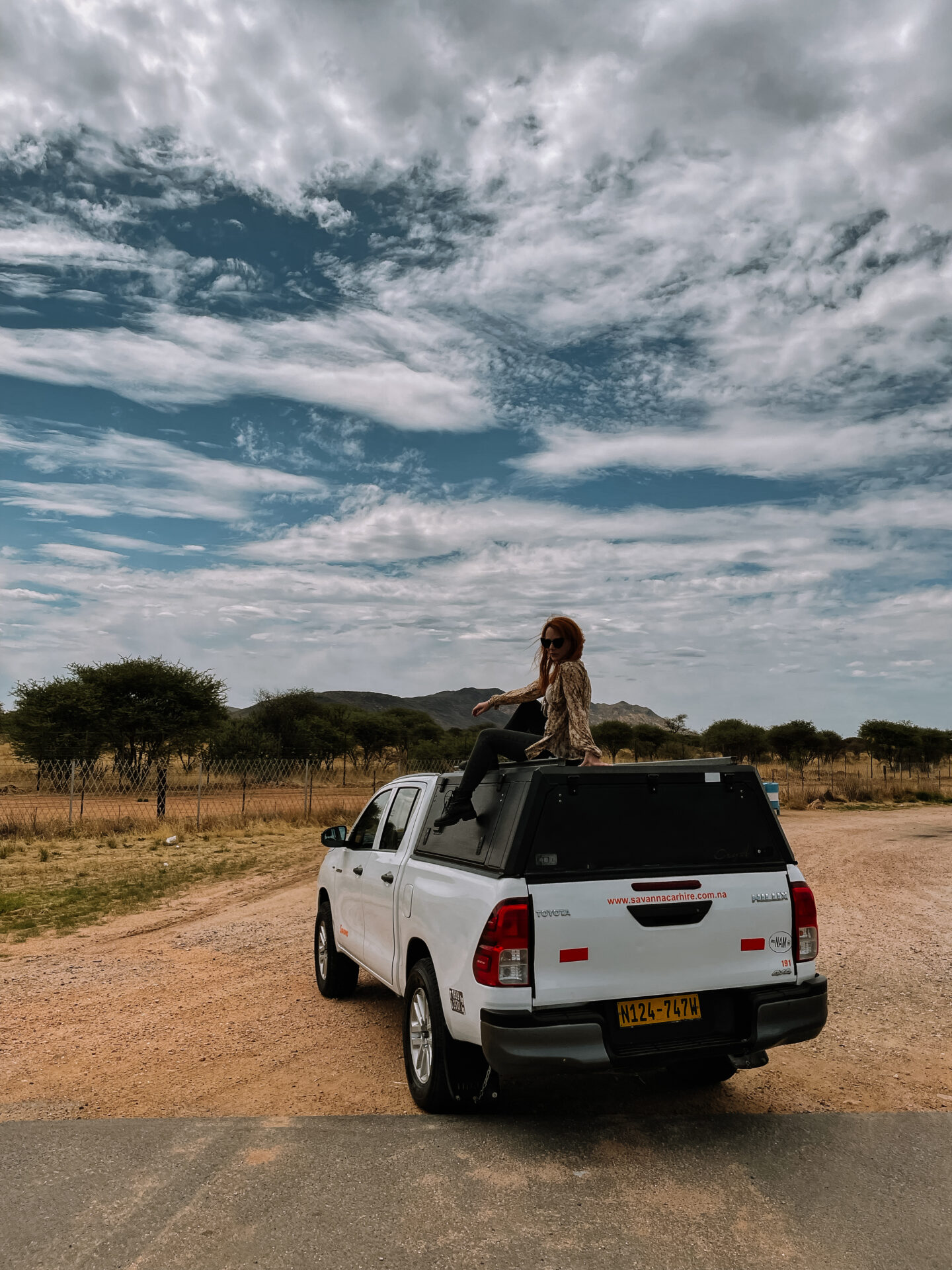
After landing in Windhoek, I picked up my rental car and headed straight north toward Etosha National Park. Windhoek itself mainly served as a practical entry point – car rental, supplies, and then straight onto the open road.
This first drive is long, but it immediately sets the rhythm for traveling in Namibia. Roads are quiet, distances are deceptive, and fuel stops need to be planned carefully. The further I drove, the more the city disappeared behind me, replaced by open land and a growing sense of scale.
Fact: Namibia is one of the least densely populated countries in the world, with fewer than three people per square kilometer.
Etosha National Park (3 nights)
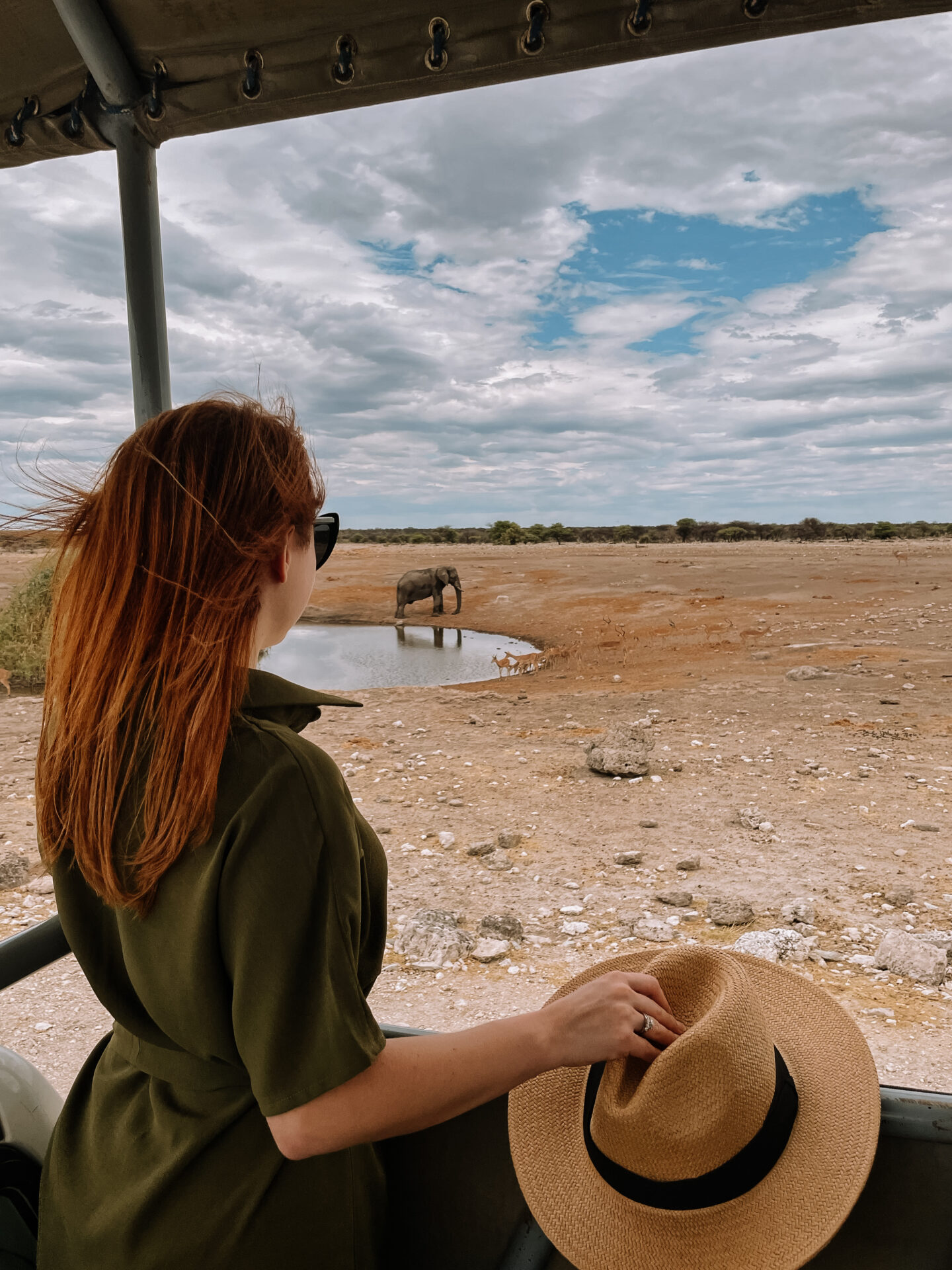
I spent three nights in a lodge near Etosha National Park and explored the park through a mix of guided safaris and self-drive game drives. Etosha is one of Africa’s largest protected areas and is centered around the vast Etosha Pan – a salt pan so large it can even be seen from space.
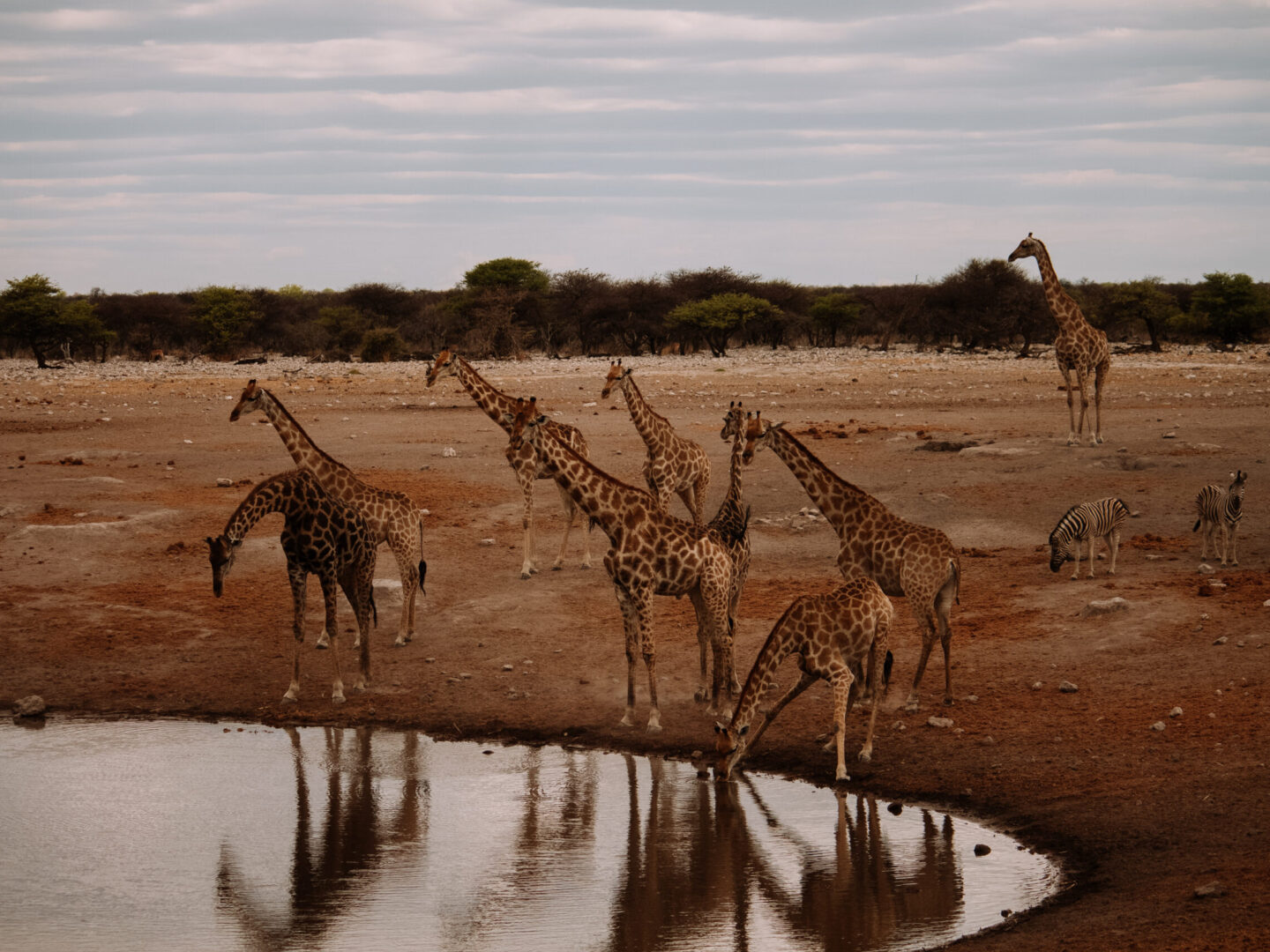
The park is exceptionally well suited for self-driving. Roads are clearly marked, waterholes are signposted, and wildlife activity often concentrates around these areas, especially during the dry season.
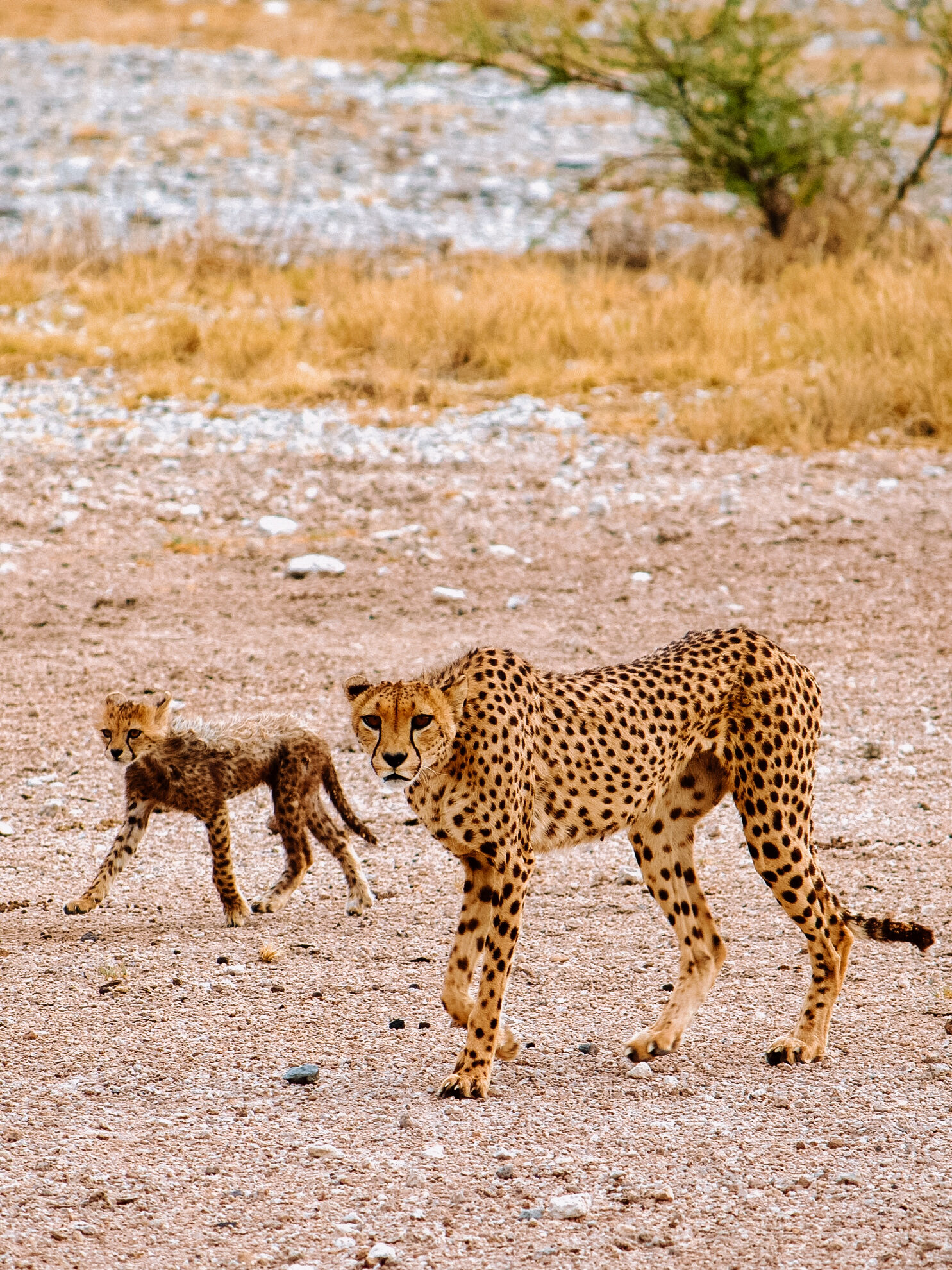
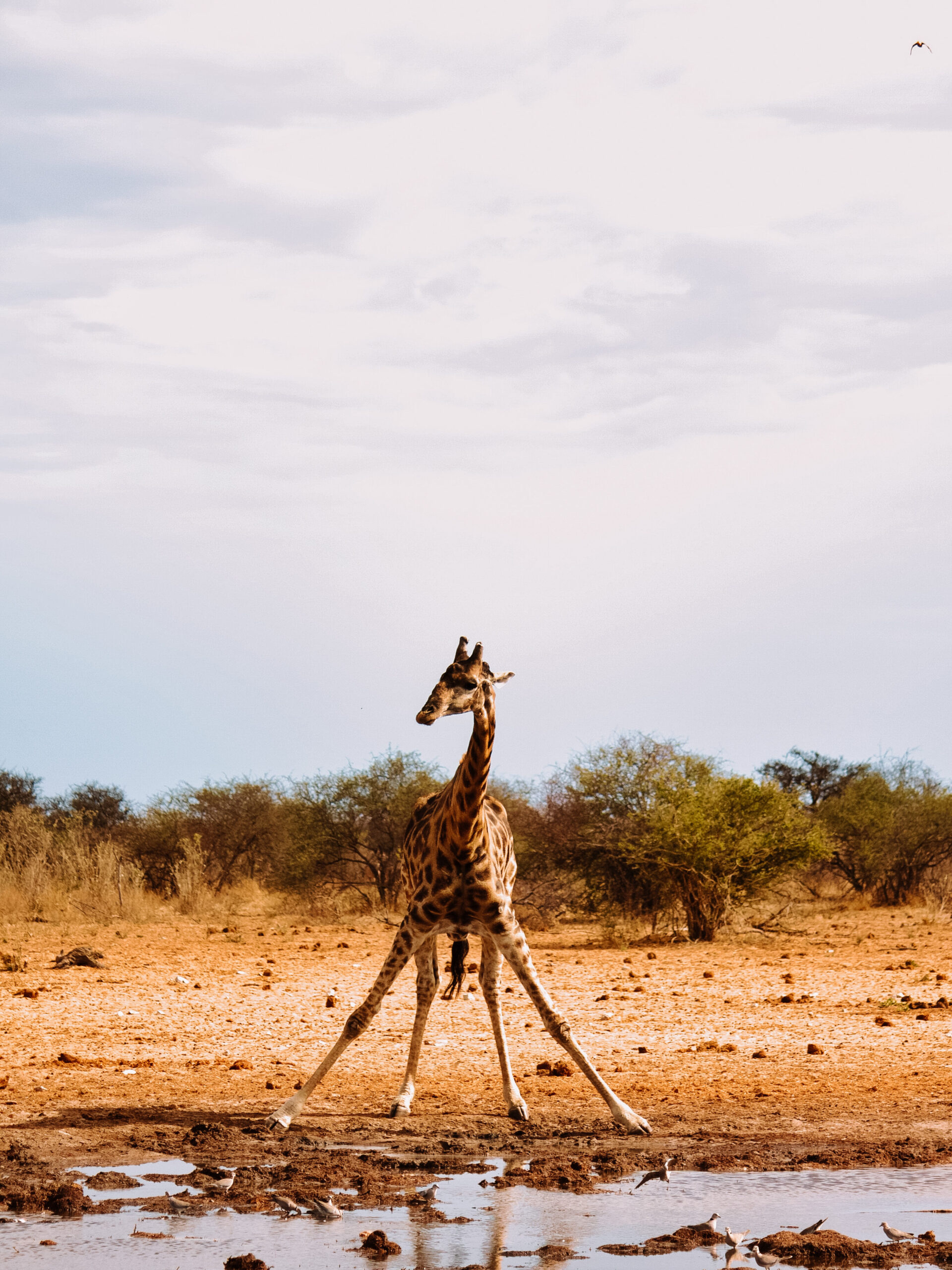
During my stay, I saw elephants, giraffes, zebras, springbok, oryx, and other antelopes, as well as lions and rhinos. Some of the most memorable moments didn’t involve movement at all – just waiting quietly at a waterhole and watching animals slowly emerge from the bush.
Good to know: Etosha is malaria-free and considered one of the safest parks in Southern Africa for independent travelers.
Etosha → Spitzkoppe → Walvis Bay: Stop at Spitzkoppe
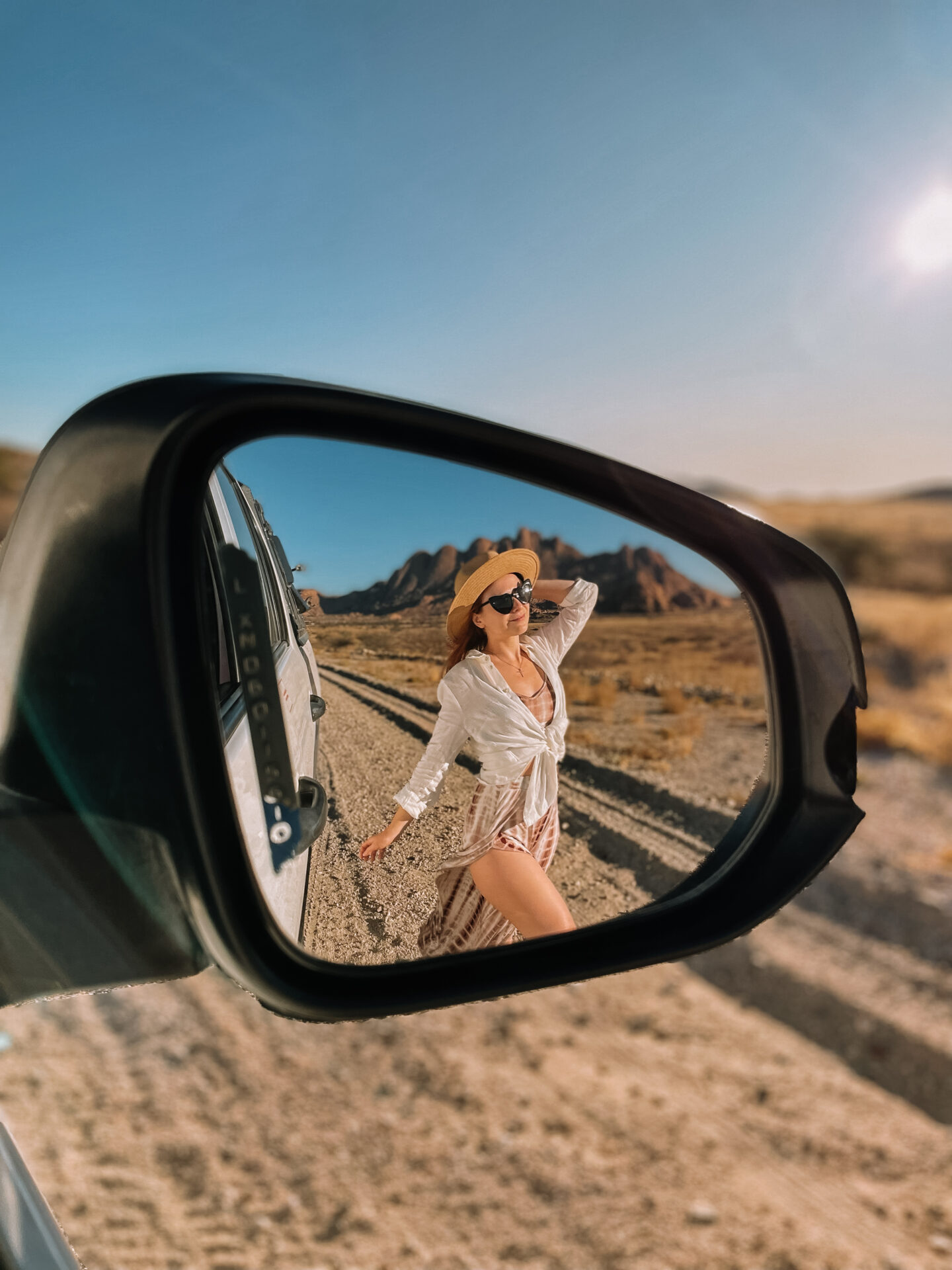
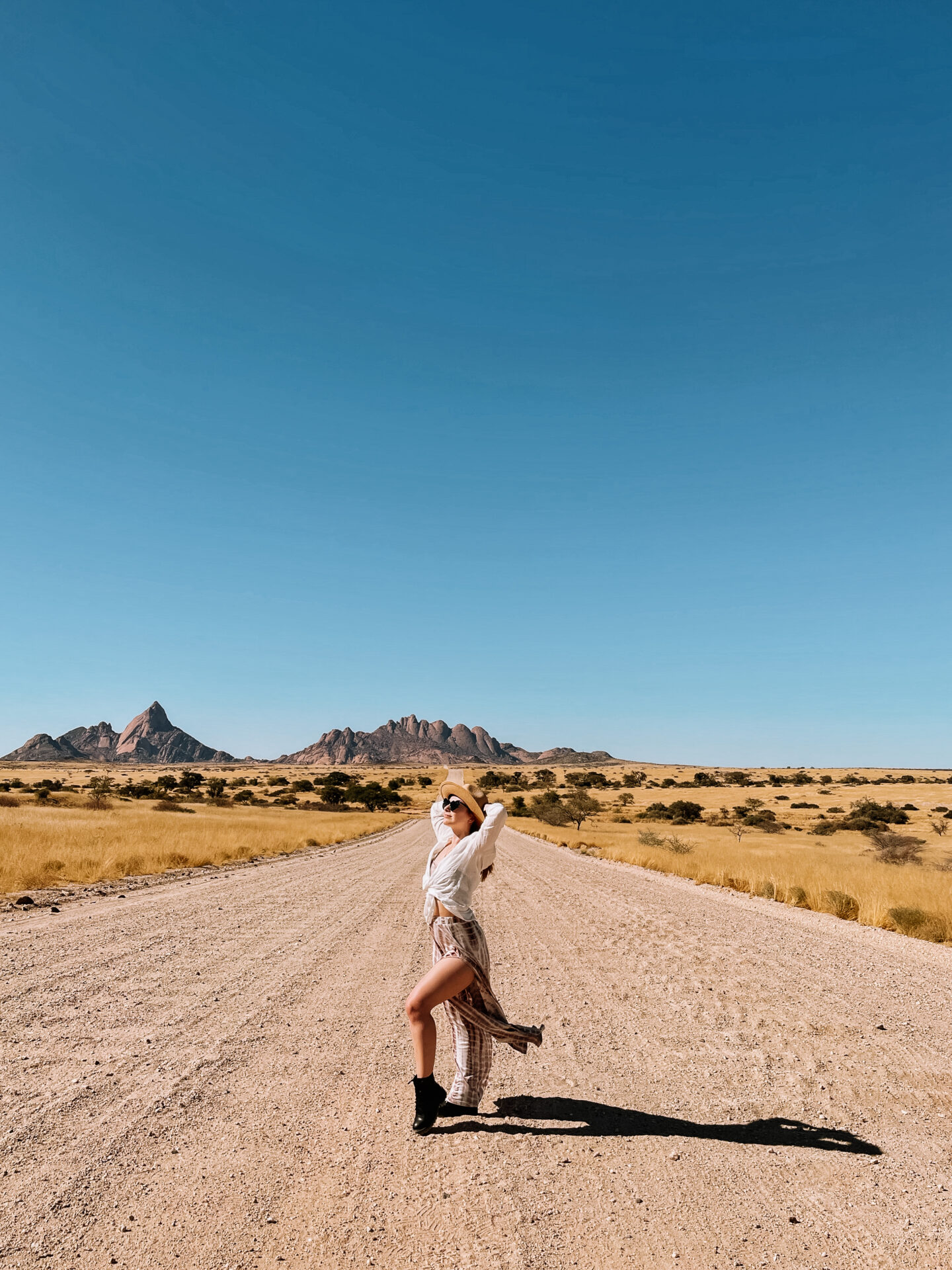
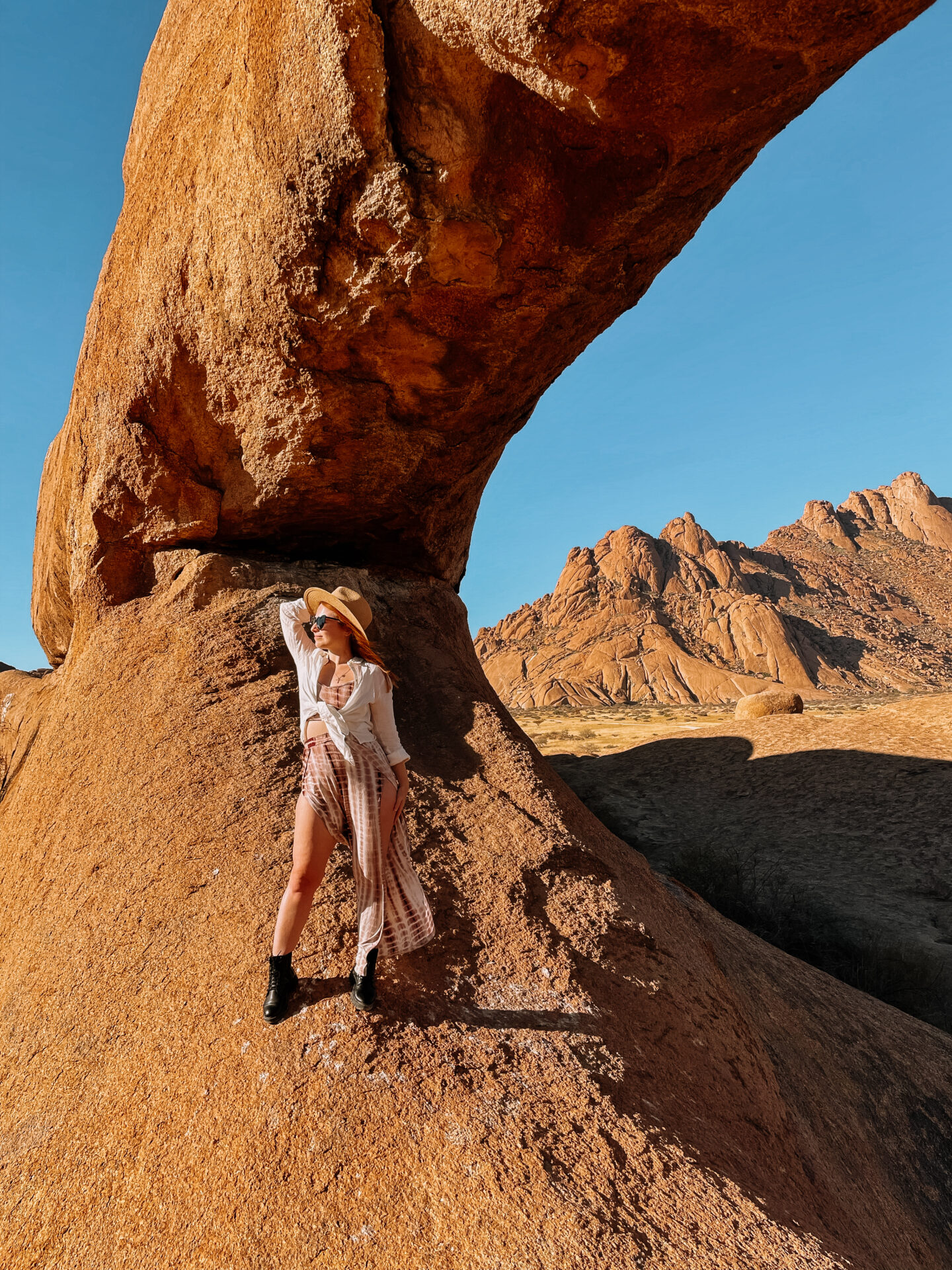
On the drive from Etosha toward the coast, I stopped at Spitzkoppe, a dramatic cluster of granite peaks rising abruptly from the otherwise flat desert.
The scale of the rocks, the silence, and the openness of the surrounding landscape made it one of the most atmospheric places on the route. Walking around the formations, it was easy to understand why this location is so often highlighted as a must-see in Namibia.
I visited Spitzkoppe during Golden Hour, and even without staying overnight, the changing light completely transformed the granite formations, emphasizing their texture, depth, and color.
While many people only stop briefly, I would strongly recommend planning at least one night here if your itinerary allows it. Spitzkoppe is widely known for its dramatic light at sunrise and sunset, as well as for its exceptionally clear night skies due to minimal light pollution. Even during my daytime visit, it was clear that staying overnight would add a completely different dimension to the experience.
Fact: The Spitzkoppe granite is estimated to be over 120 million years old and rises more than 700 meters above the surrounding plains.
Walvis Bay (2 nights)
After the heat and dryness of the interior, arriving in Walvis Bay felt like a shift in climate and rhythm. The air was cooler, coastal fog rolled in from the Atlantic, and the atmosphere was noticeably calmer.
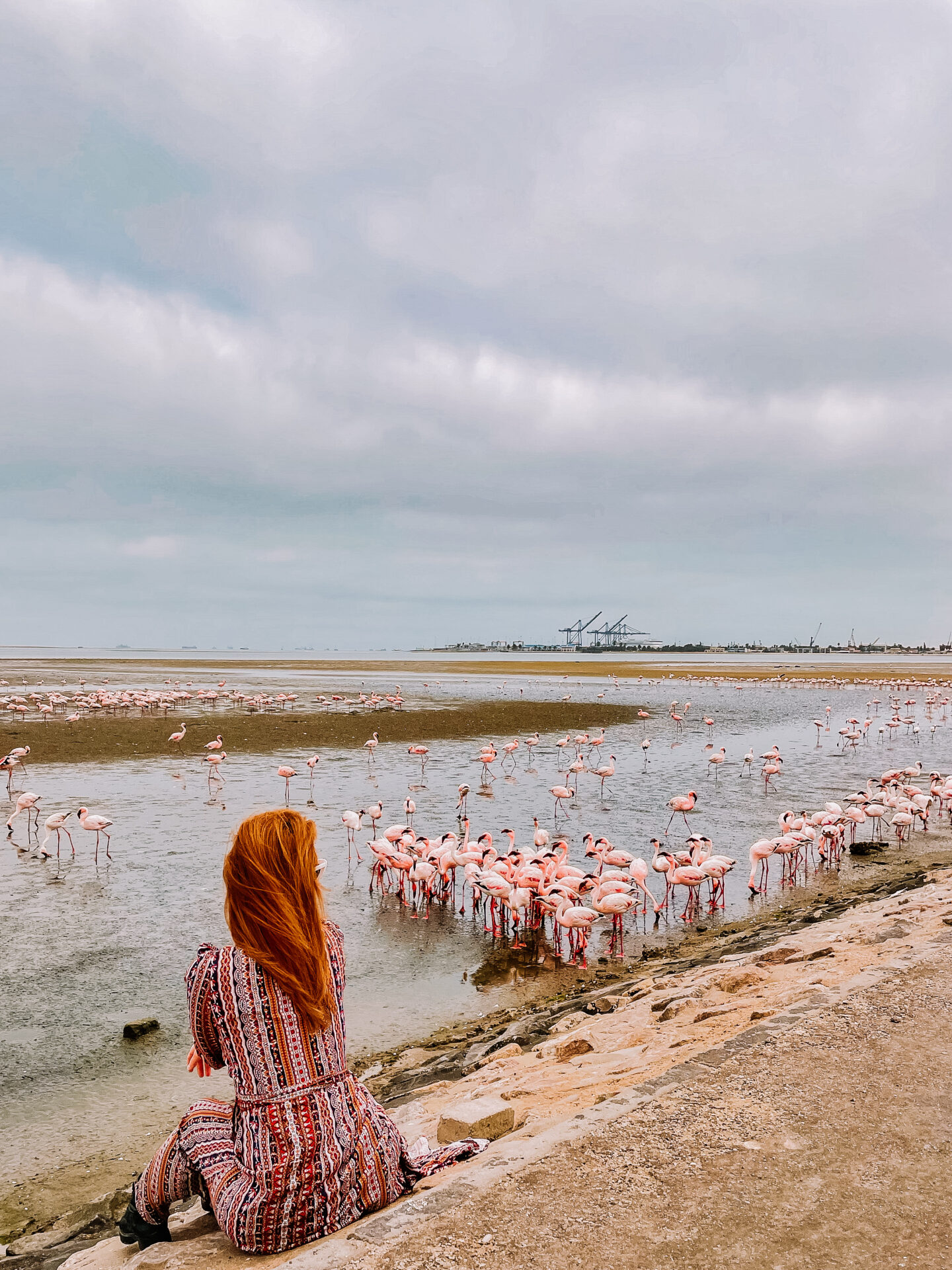
I spent time flamingo watching at the Walvis Bay Lagoon, one of Southern Africa’s most important wetland areas and a Ramsar-protected site.
I also visited the nearby salt pans, whose geometric shapes and pale colors created an almost abstract landscape.
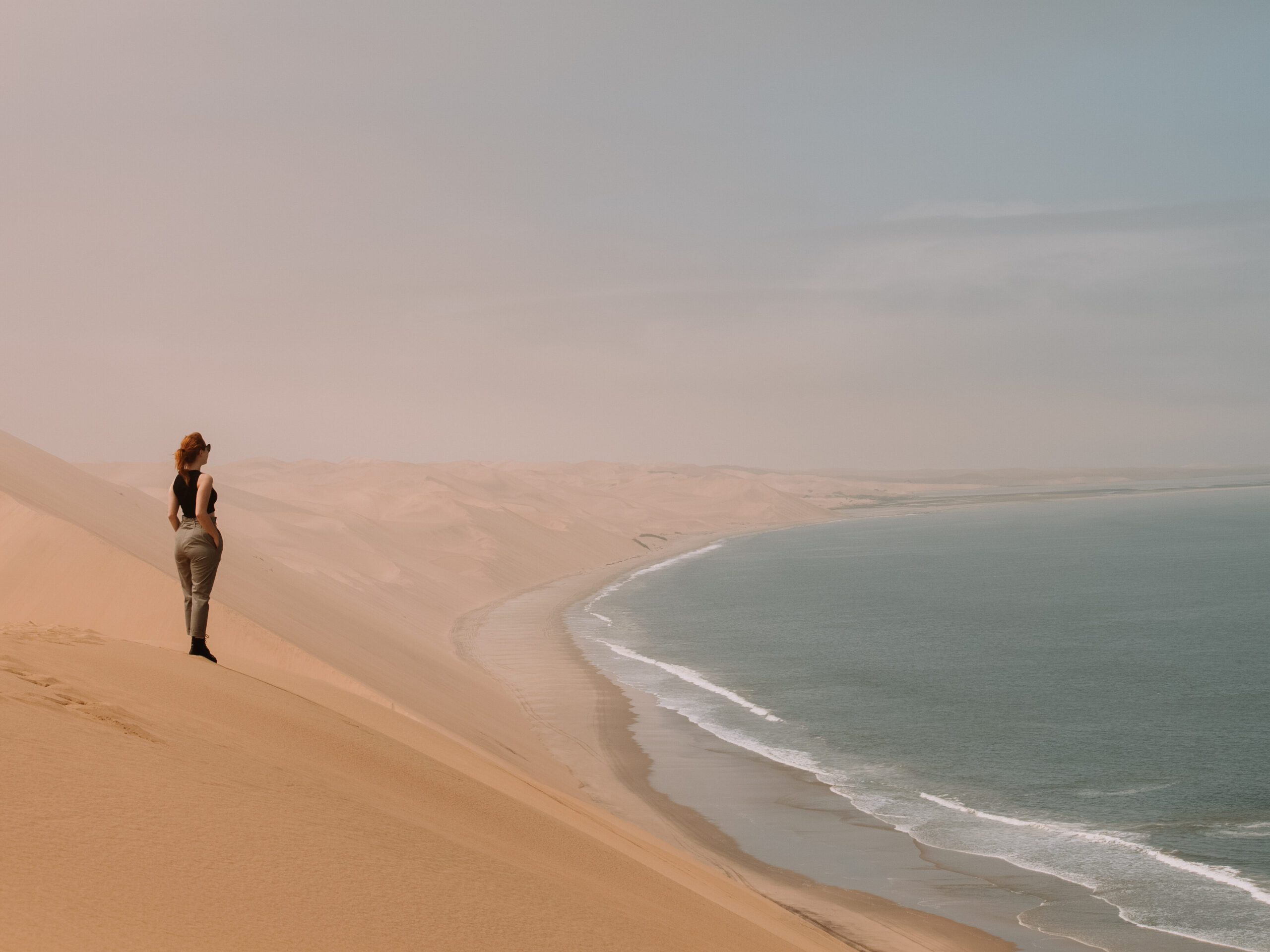
From Walvis Bay, I visited Sandwich Harbour, where towering sand dunes meet the Atlantic Ocean. This remote area, only accessible by 4×4, is considered one of Namibia’s most dramatic landscapes, combining desert, ocean, and sky in one striking setting.
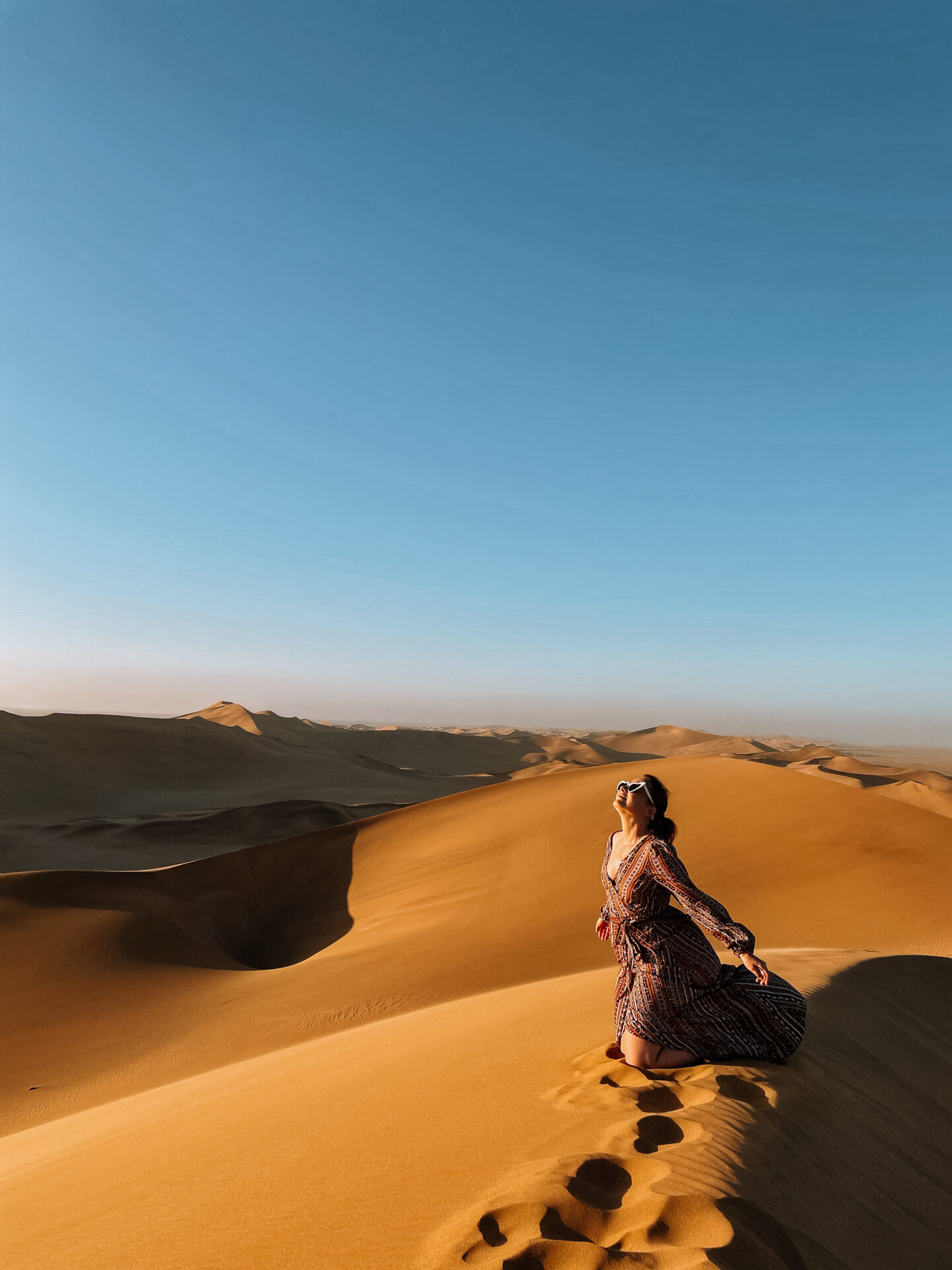
Just outside Walvis Bay, I also visited Dune 7, one of the highest sand dunes in the area and a popular spot for sandboarding. Standing over 140 meters high, it offers wide views over the surrounding desert and is easily accessible by road. Sandboarding here is optional rather than essential, but it’s a fun, short activity if you want to experience the dunes in a more active way before heading deeper into the Namib Desert.
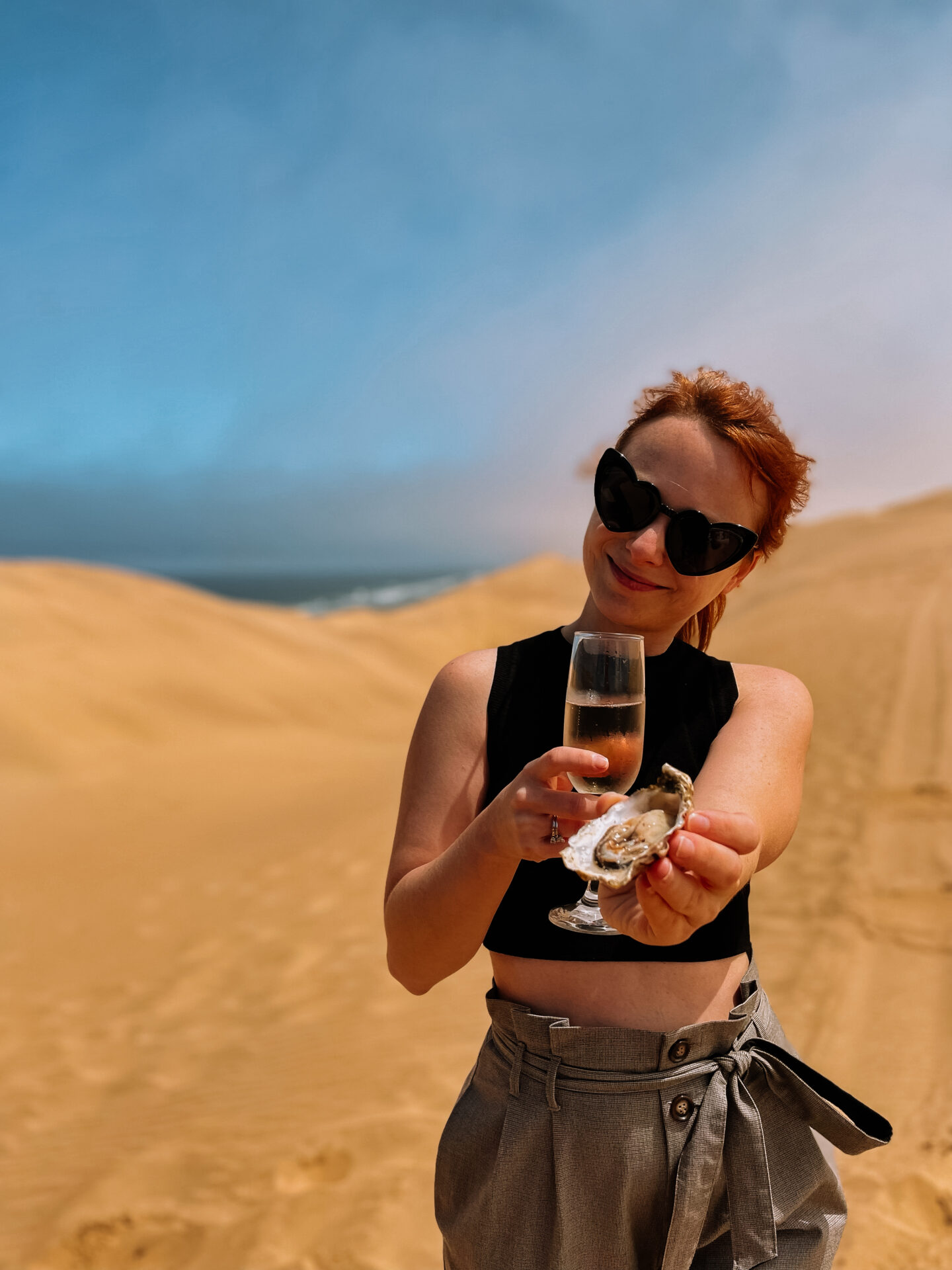
Food-wise, Walvis Bay is known for Namibian oysters, harvested from the cold Atlantic waters and prized for their clean, mineral taste.
Walvis Bay is often overshadowed by nearby Swakopmund, but I appreciated its quieter character. It worked well as a restful stop between long drives and more intense sightseeing days.
Fact: The cold Benguela Current is responsible for Walvis Bay’s rich marine life and frequent coastal fog.
Walvis Bay → Namib Desert / Sossusvlei (3 nights)
The drive from the coast into the Namib Desert is one of the most striking transitions of the entire route. The Namib is considered the oldest desert in the world, with some dunes estimated to be over five million years old.
Arriving in the Sossusvlei area, the scale of the dunes became immediately apparent. They are not just high – they dominate the horizon and reshape the sense of distance.
Deadvlei & Sossusvlei
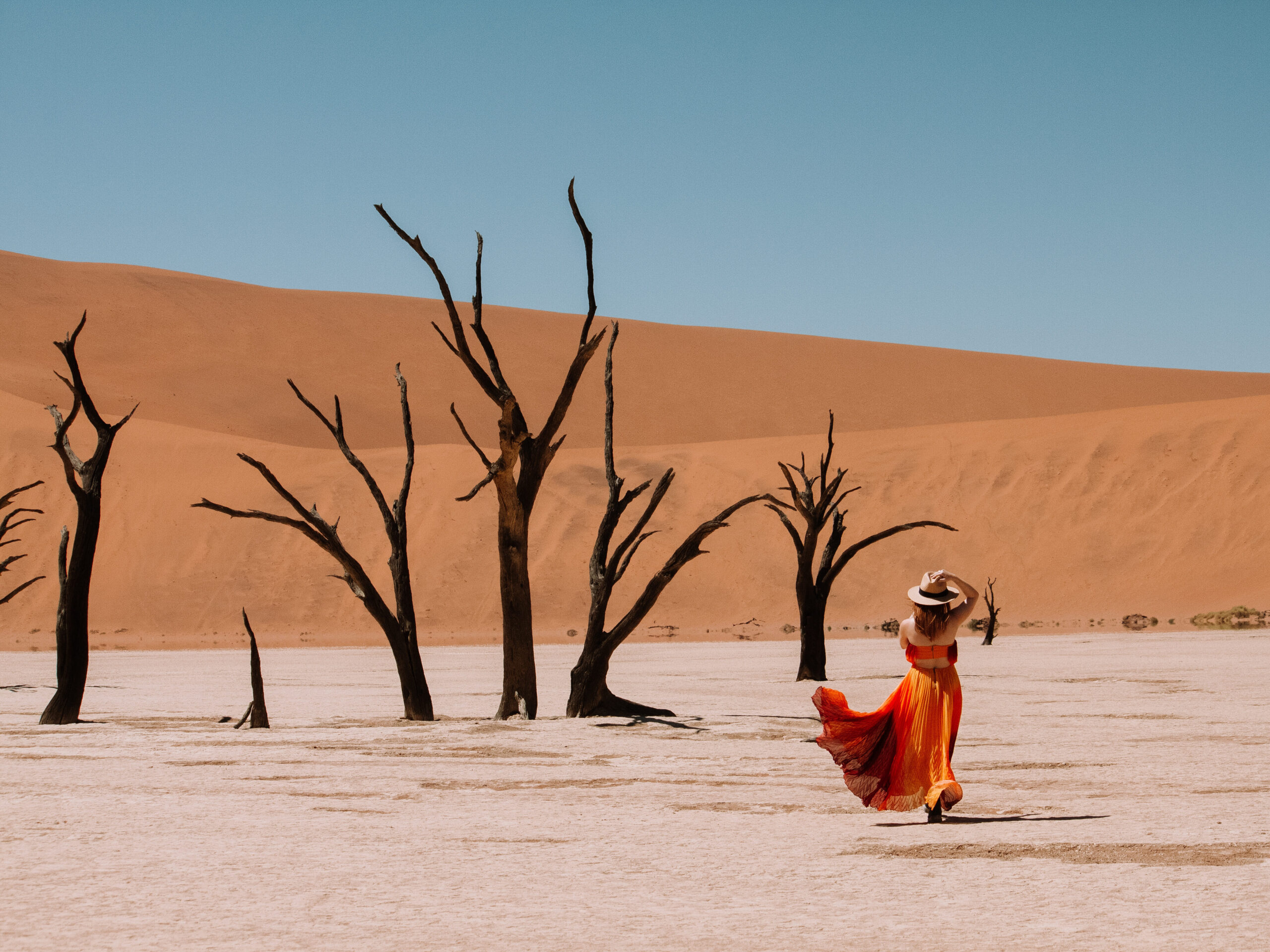
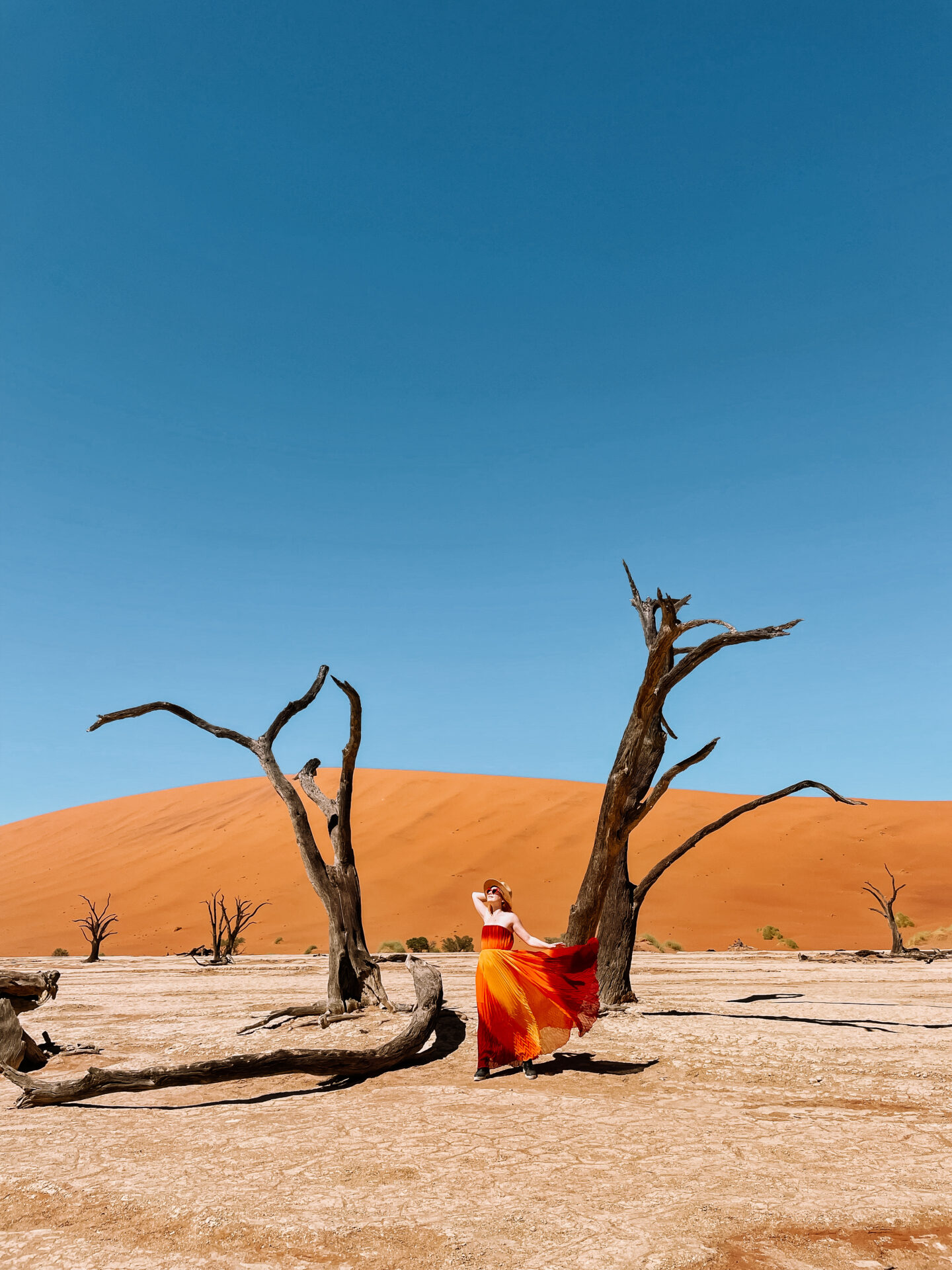
Visiting Deadvlei was one of the most iconic moments of the road trip. The contrast between the white clay pan, the black skeletons of ancient trees, and the towering orange dunes is as surreal in real life as it appears in photographs.
I entered the national park as early as possible, even without staying inside the park. This made a noticeable difference in both light and atmosphere. The space felt calmer, and the colors were softer before the harsh midday sun.
Strong recommendation: If possible, stay inside the park. Lodges located within the Namib-Naukluft Park allow earlier entry and later exit times than accommodations outside the gates. This added flexibility is invaluable if you want to experience Deadvlei without crowds and in the best possible light.
Fact: The camel thorn trees in Deadvlei are over 900 years old and have not decomposed due to the extreme aridity.
Namib Desert → Lüderitz (2 nights)
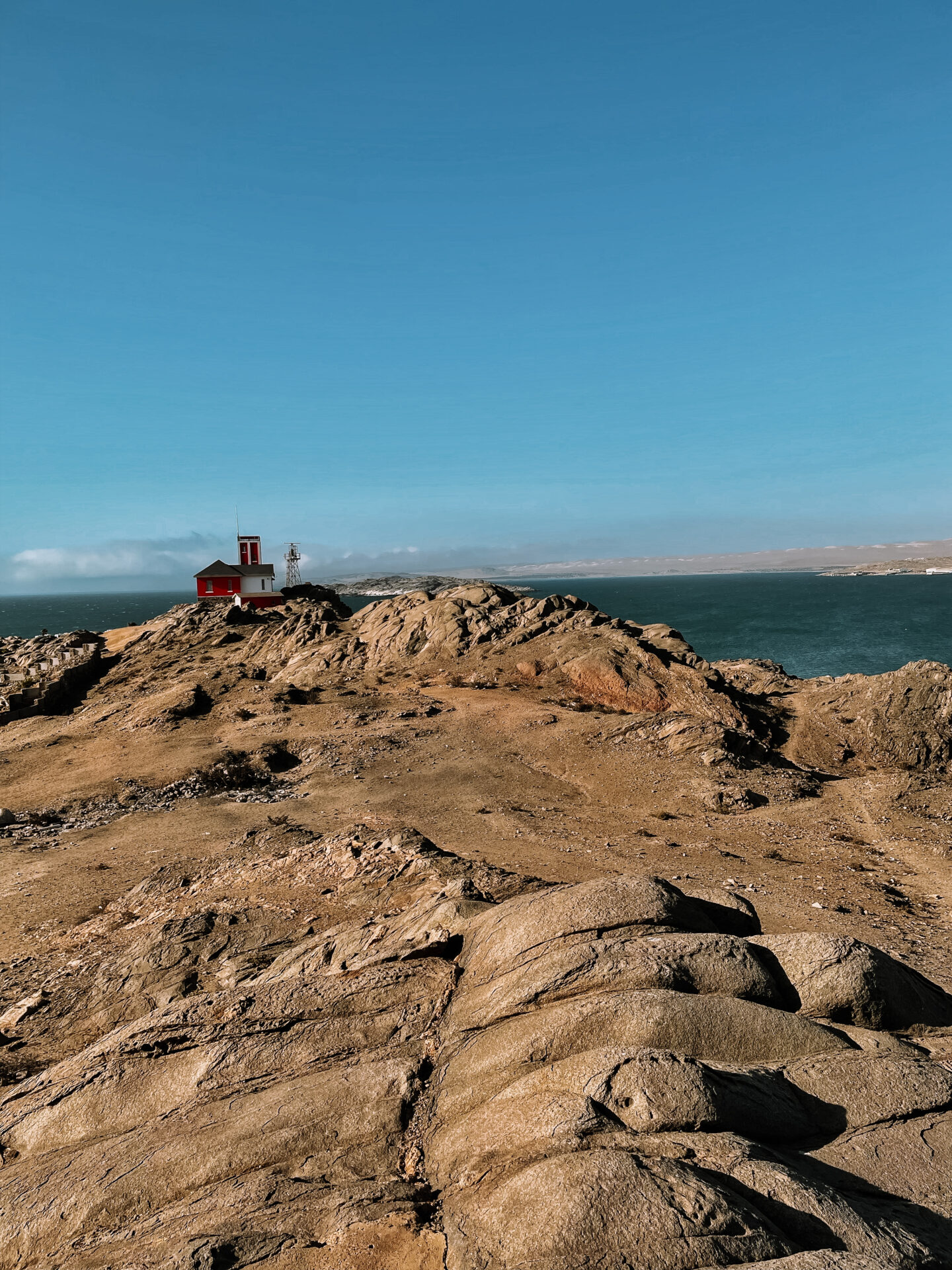
The drive to Lüderitz felt remote and almost otherworldly. Long stretches of road passed without seeing another car, reinforcing the sense of isolation that defines much of southern Namibia.
Lüderitz itself was an unexpected contrast. The colorful buildings, strong German colonial influence, and its exposed position on the Atlantic coast give the town a character unlike anywhere else on this route.
Fact: Lüderitz was founded in 1883 and remains one of the best-preserved examples of German colonial architecture in Namibia.
Visit to Kolmanskop
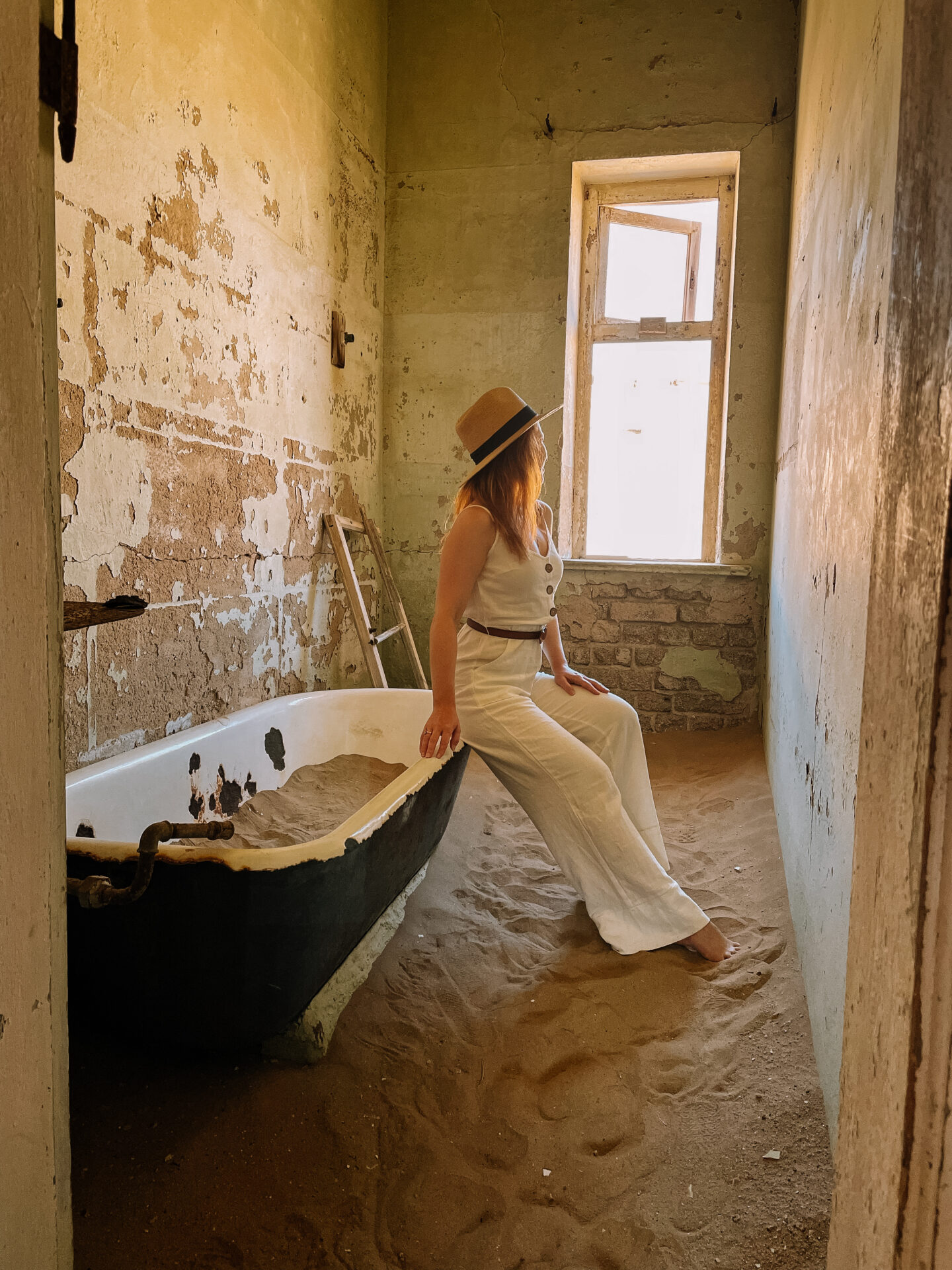
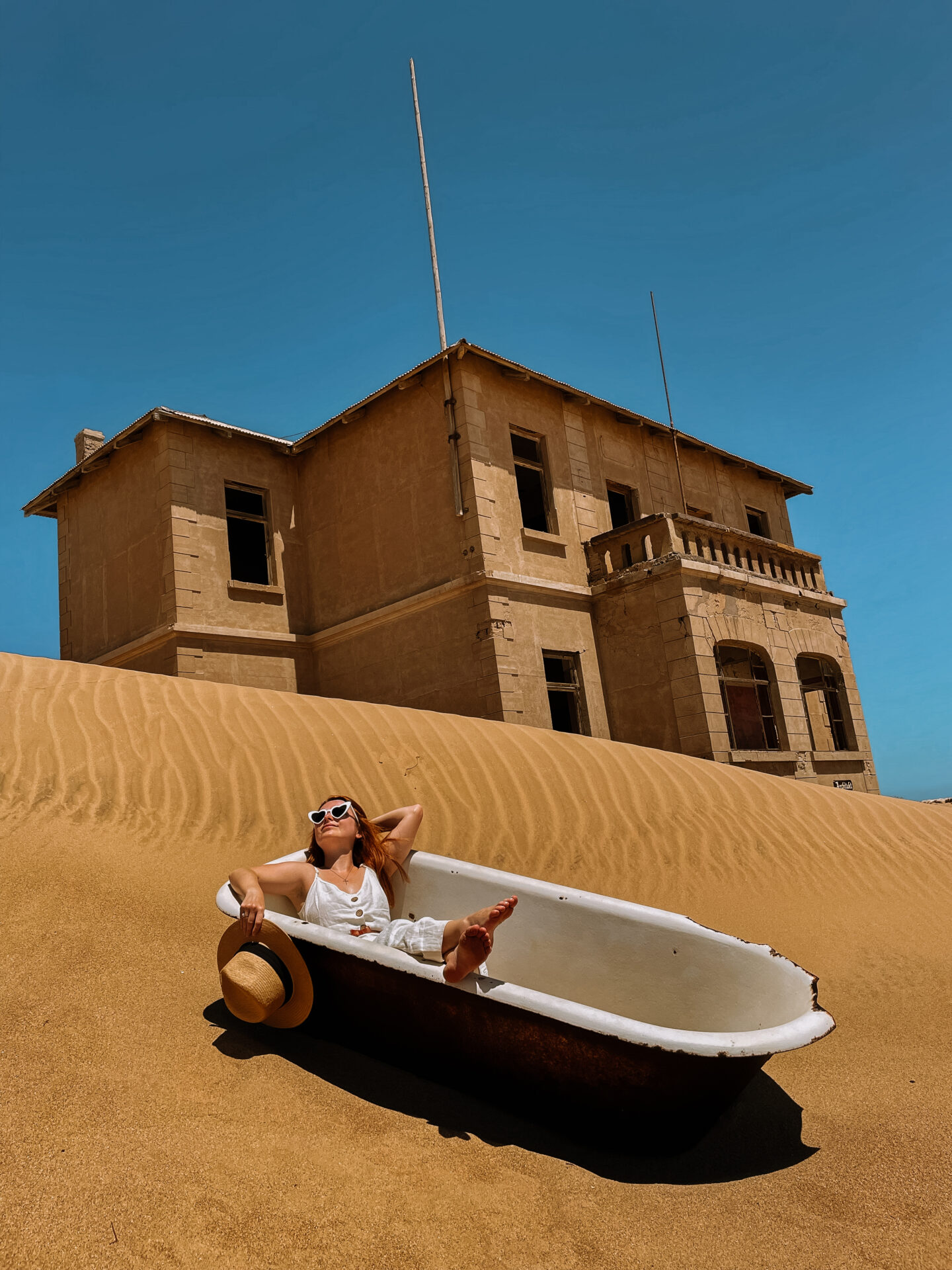
Kolmanskop was one of the most haunting and fascinating stops of the entire trip. Once a prosperous diamond mining town, it has been slowly reclaimed by the desert.
Walking through houses filled with sand felt like stepping into a frozen moment in time.
I visited early in the morning, which I would strongly recommend. The light was softer, the rooms felt quieter, and the overall atmosphere was far more immersive than later in the day.
Do not visit in the afternoon if you can avoid it – strong coastal winds often pick up later in the day, blowing sand into the buildings and making exploration and photography far less pleasant.
Fact: At its peak, Kolmanskop had a hospital, ballroom, bowling alley, and one of the first X-ray machines in the Southern Hemisphere.
Lüderitz → Fish River Canyon (2 nights)
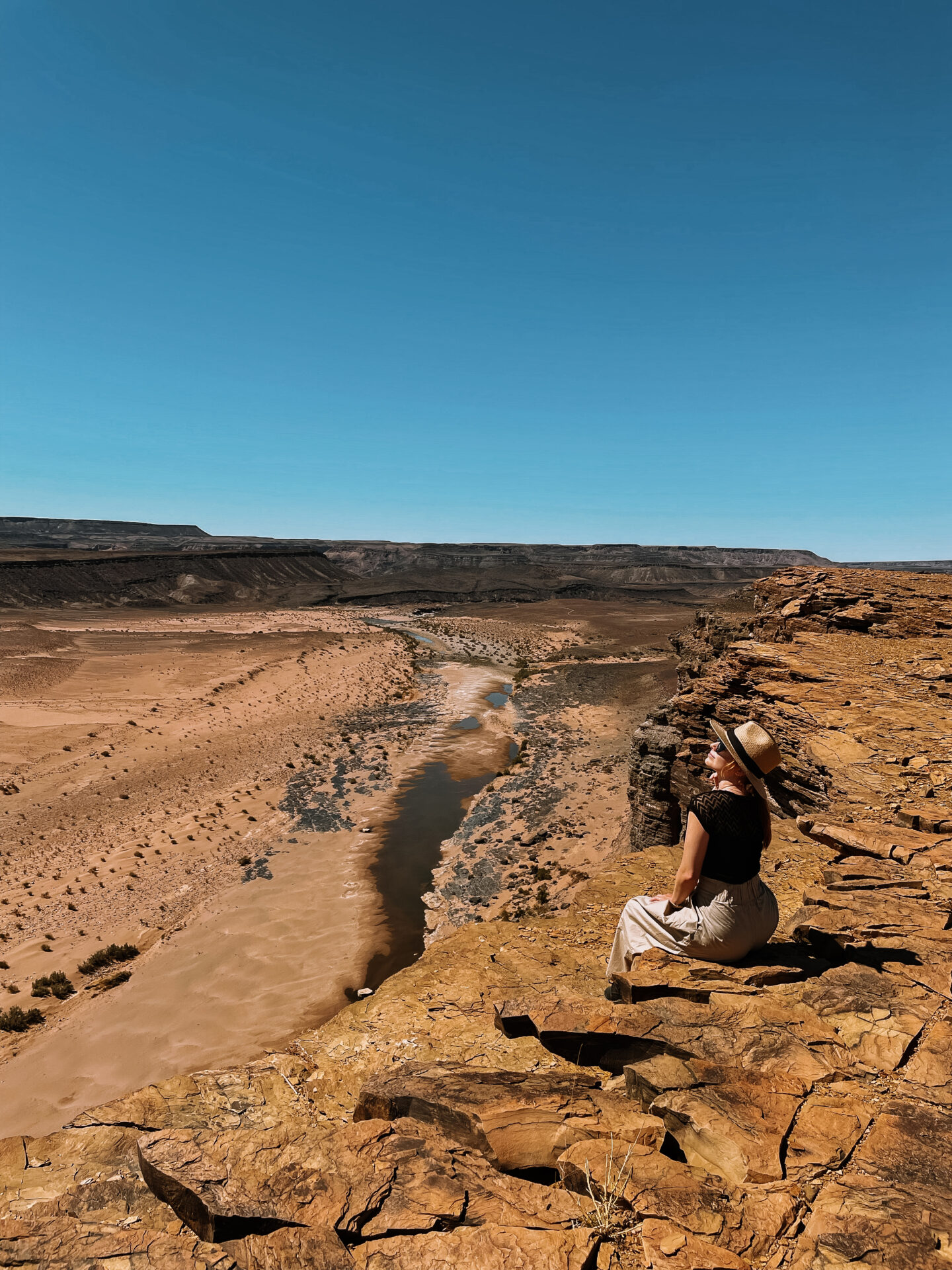
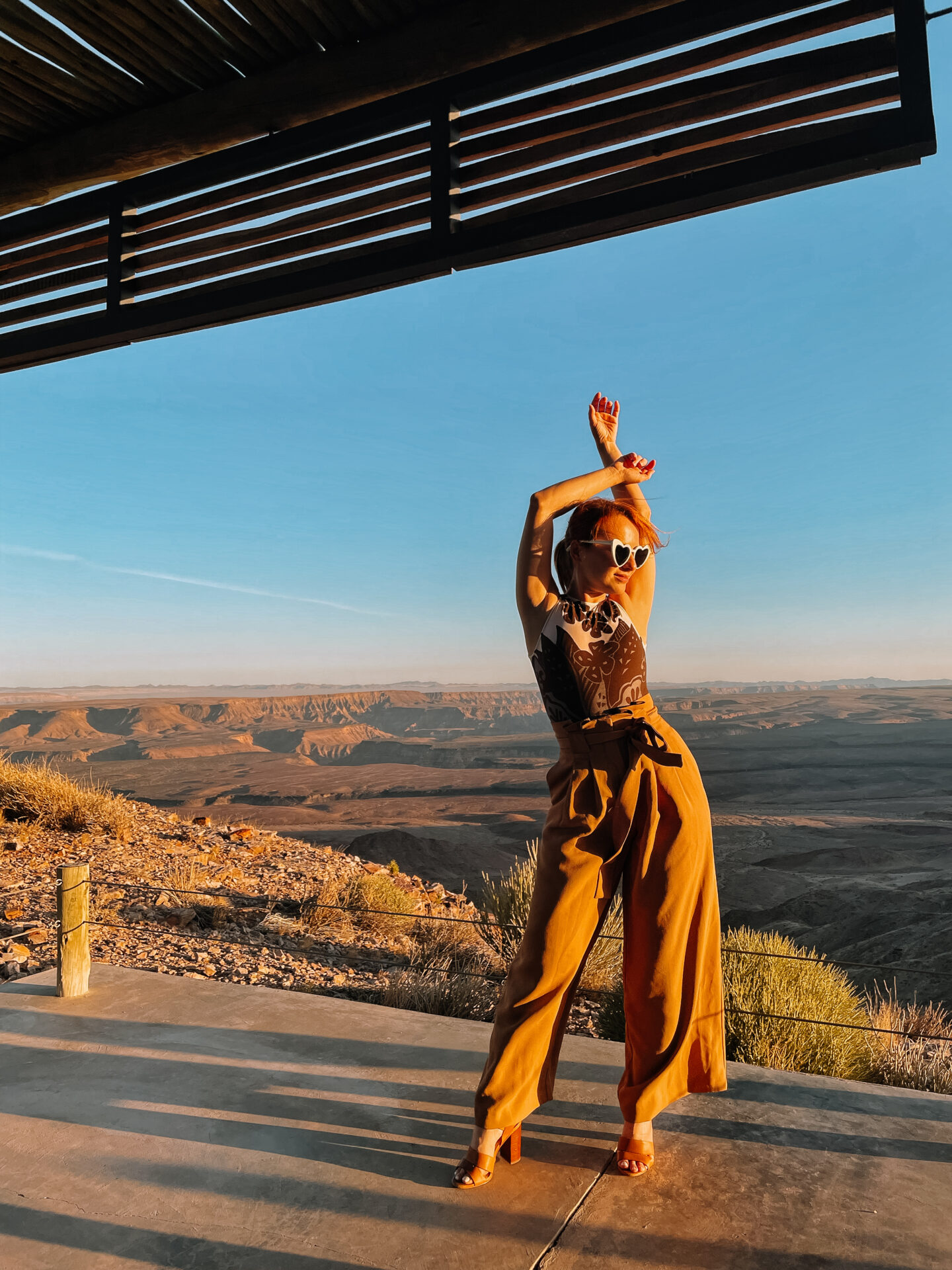
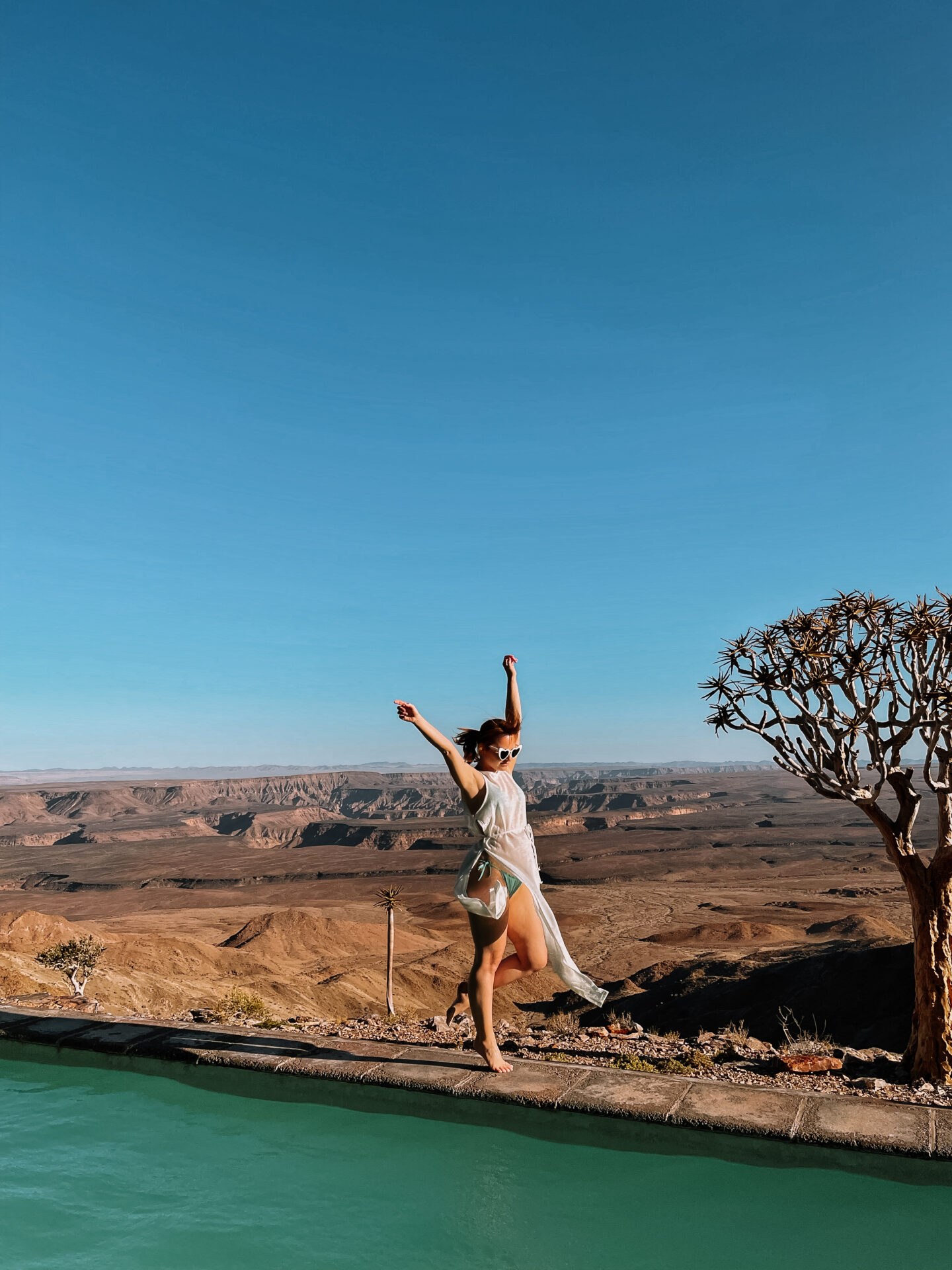
The Fish River Canyon is the second-largest canyon in the world and stretches for approximately 160 kilometers.
Standing at the viewpoints, it’s difficult to fully grasp the canyon’s scale – photos don’t do it justice.
In addition to visiting several viewpoints, I also joined a guided tour inside the canyon, which offered a completely different perspective. Being down inside the canyon emphasized its immense depth and provided insight into the geological forces that shaped it over millions of years.
Sunset along the rim remains one of the most memorable moments of the journey.
Final Drive: To the South African Border via the Orange River
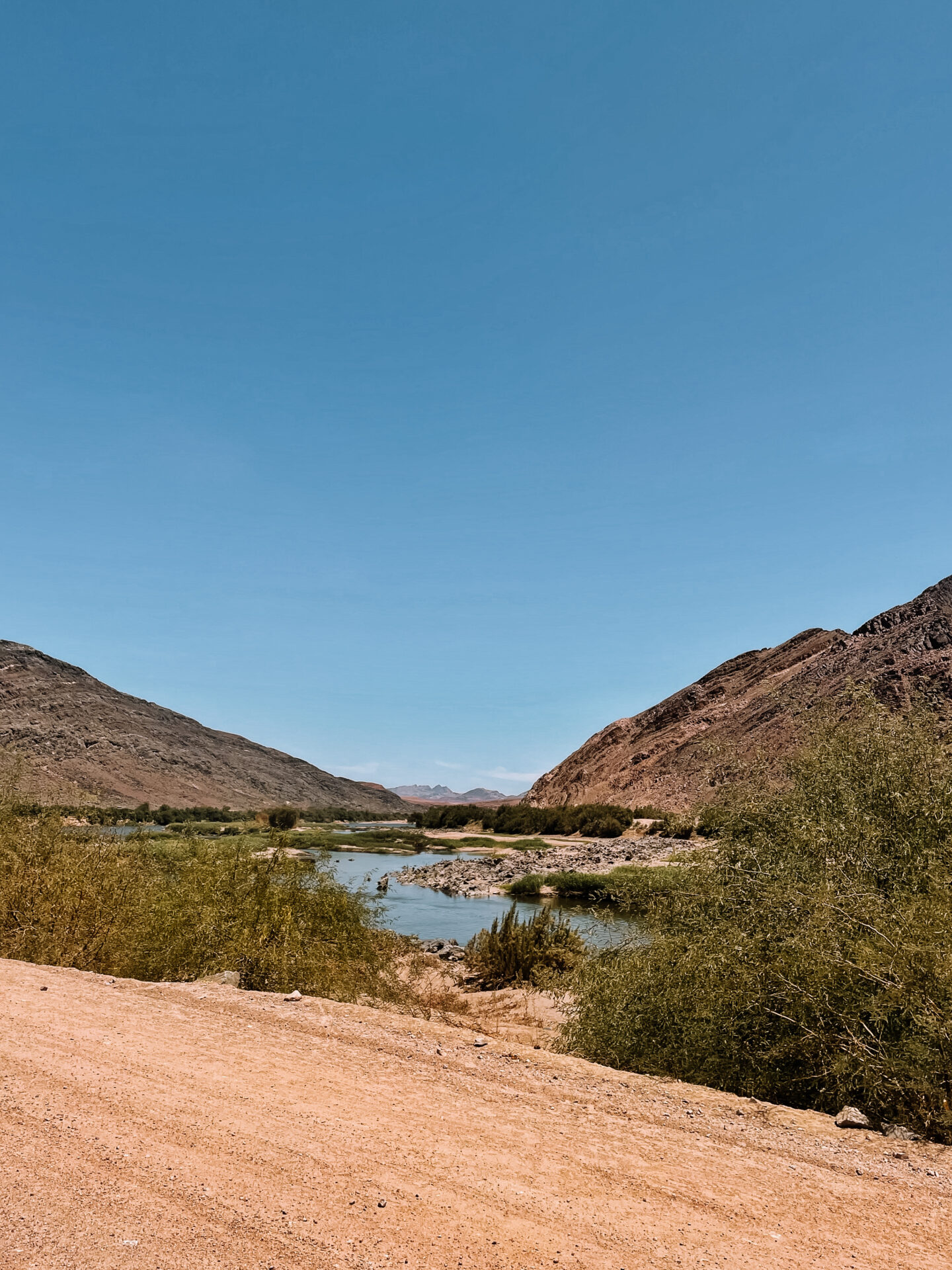
The final stretch followed the Orange River toward the South African border. As Namibia’s longest river, it forms a natural boundary between Namibia and South Africa and introduces a rare sense of greenery into the landscape.
After days of arid terrain, this final drive felt calmer and more reflective – a natural transition out of Namibia.
Best Time to Visit Namibia
Best overall time: May to October (dry season)
- Ideal for wildlife viewing in Etosha
- Cooler temperatures and clearer skies
- Animals gather around waterholes, making sightings more predictable
Shoulder months: April and November
- Fewer crowds and more flexible availability
- Warmer temperatures, especially during the day
- Wildlife viewing is still very good, particularly in the early mornings
I visited Namibia in November and had excellent weather conditions throughout the trip. Temperatures were warm but manageable, skies were clear, and travel conditions were ideal. The slightly quieter atmosphere compared to peak season made the experience even more enjoyable.
Hotel & Lodge Recommendations
(by Area)
Etosha National Park:
Mushara Lodge
A comfortable and well-established lodge close to Etosha National Park, making it a practical base for both self-drive and guided safaris. Known for good food, spacious rooms, and a calm atmosphere after long game drives.
Walvis Bay:
de Baken Self-Catering
Well-located self-catering accommodation directly on the waterfront. Ideal for a flexible stay in Walvis Bay, especially if you want easy access to the lagoon, coastal walks, and restaurants.
Sossusvlei / Namib Desert:
Moon Mountain Lodge
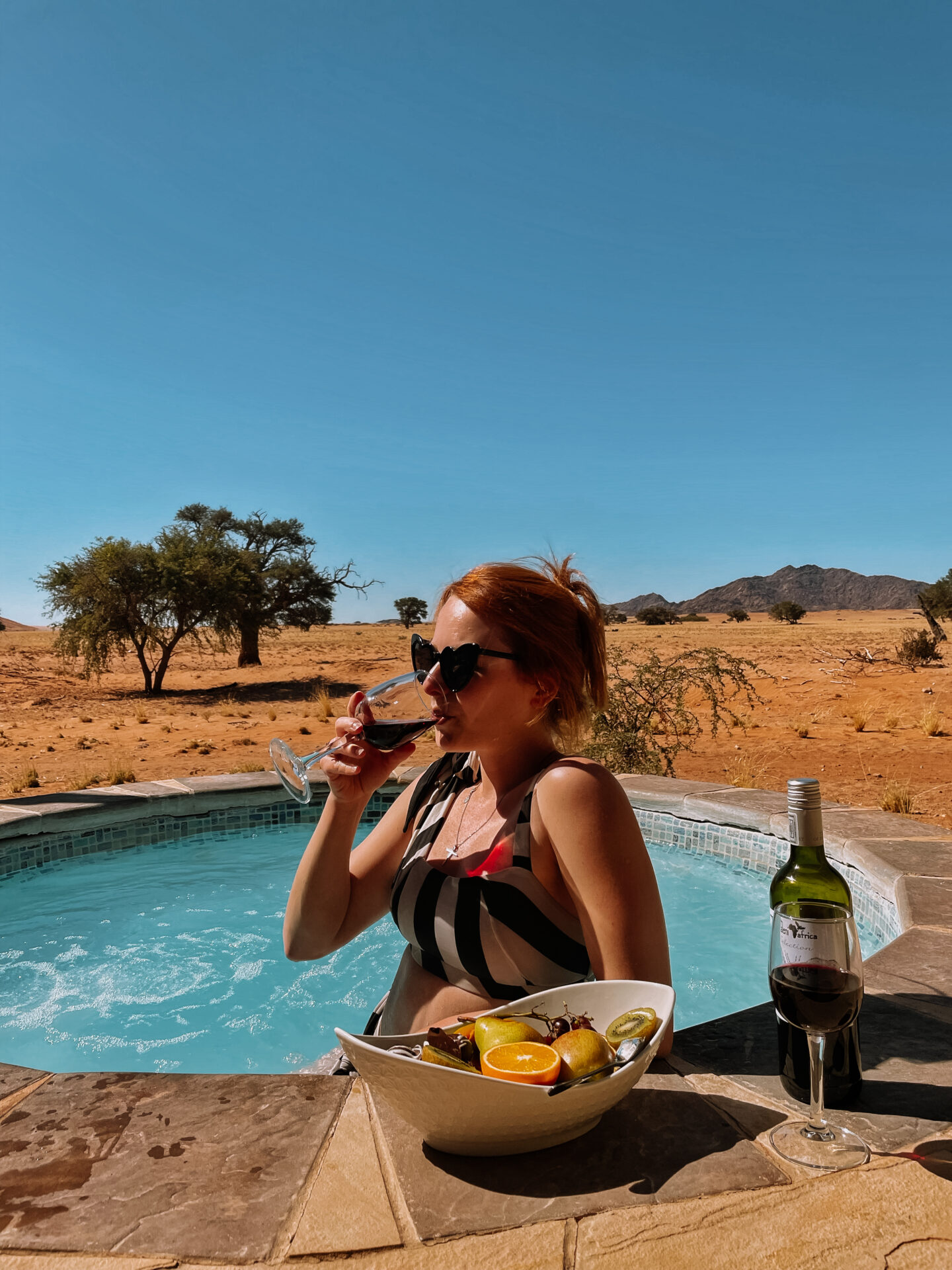
A scenic lodge set in a remote desert landscape, offering a strong sense of space and isolation. Well suited if you value atmosphere, views, and a quieter desert experience.
Sossusvlei Lodge
Conveniently located near the Sesriem gate, making early entry into the park easier. A practical option for accessing Sossusvlei and Deadvlei while still offering comfort after long desert days.
Lüderitz:
Kairos Cottage B&B
A small, personal guesthouse with a relaxed atmosphere. Well suited for Lüderitz, where accommodation options are limited and advance booking is recommended.
Fish River Canyon:
Fish River Lodge
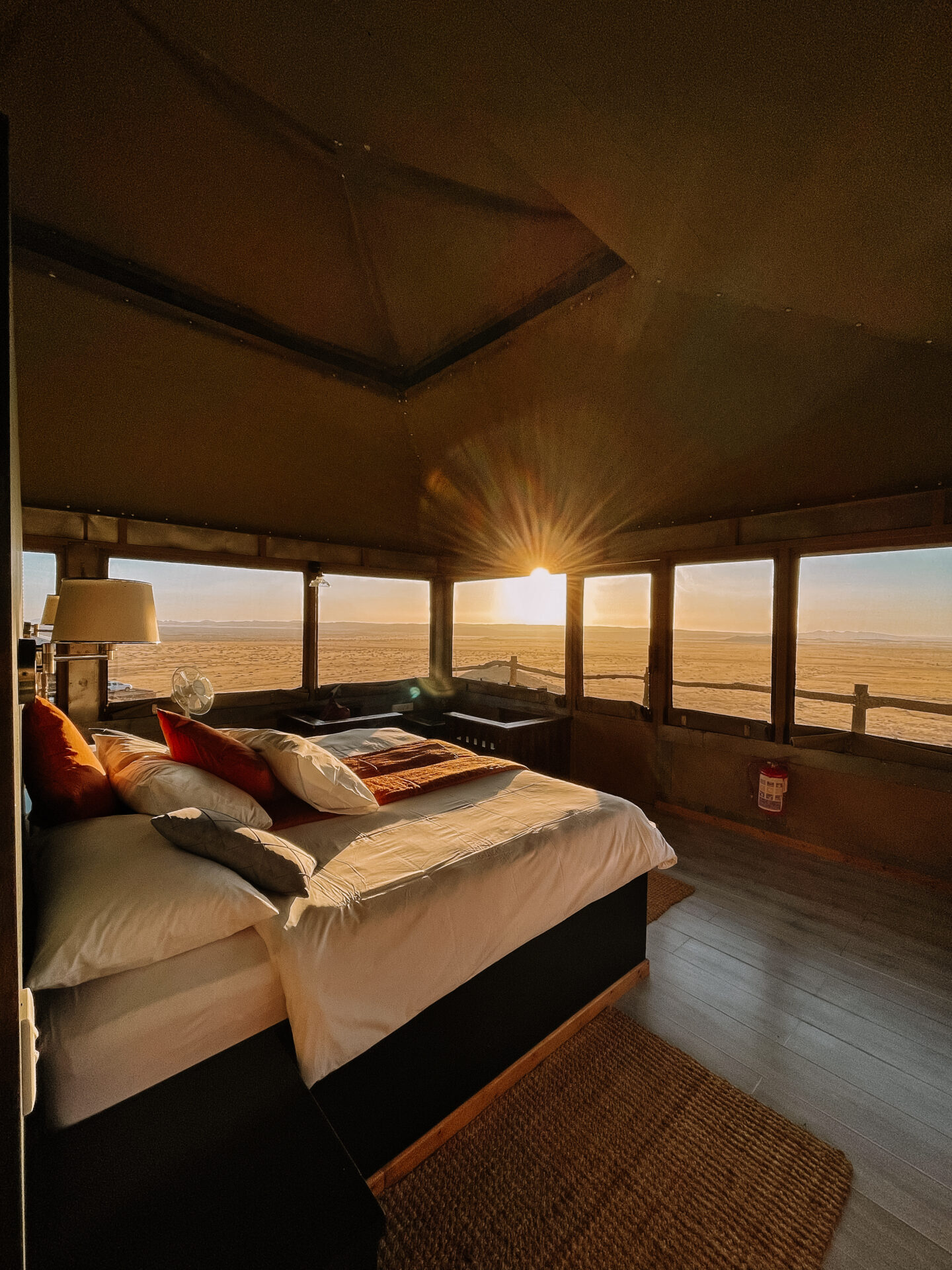
One of the closest lodges to the canyon rim, offering direct access to viewpoints and a strong sense of place. Ideal if you want to experience the canyon at sunrise and sunset without long drives.
Food Recommendations Along the Route
Namibia’s food scene is influenced by German colonial heritage, local game meat, and the Atlantic Ocean. While the country is not about fine dining in the classic sense, there are several places and dishes that stood out along this route.
Etosha region
- Game meat dishes (oryx, kudu, springbok) are widely available at lodges and restaurants in the area
- Dinners at lodges are often set menus, but usually well prepared and hearty after long safari days
Walvis Bay
- Namibian oysters are a must-try here, harvested locally from the cold Atlantic waters and known for their clean, mineral taste
- Fresh seafood in general is excellent due to the Benguela Current
- Simple coastal restaurants often outperform more “styled” places when it comes to freshness
Lüderitz
- Seafood-focused menus dominate, with fish, calamari, and shellfish being the main highlights
- Expect straightforward, filling meals rather than experimental cuisine
General food tips
- Always check opening hours in advance, especially outside larger towns
- Kitchens may close earlier than expected, particularly in remote areas
Practical Road Trip Tips for Namibia
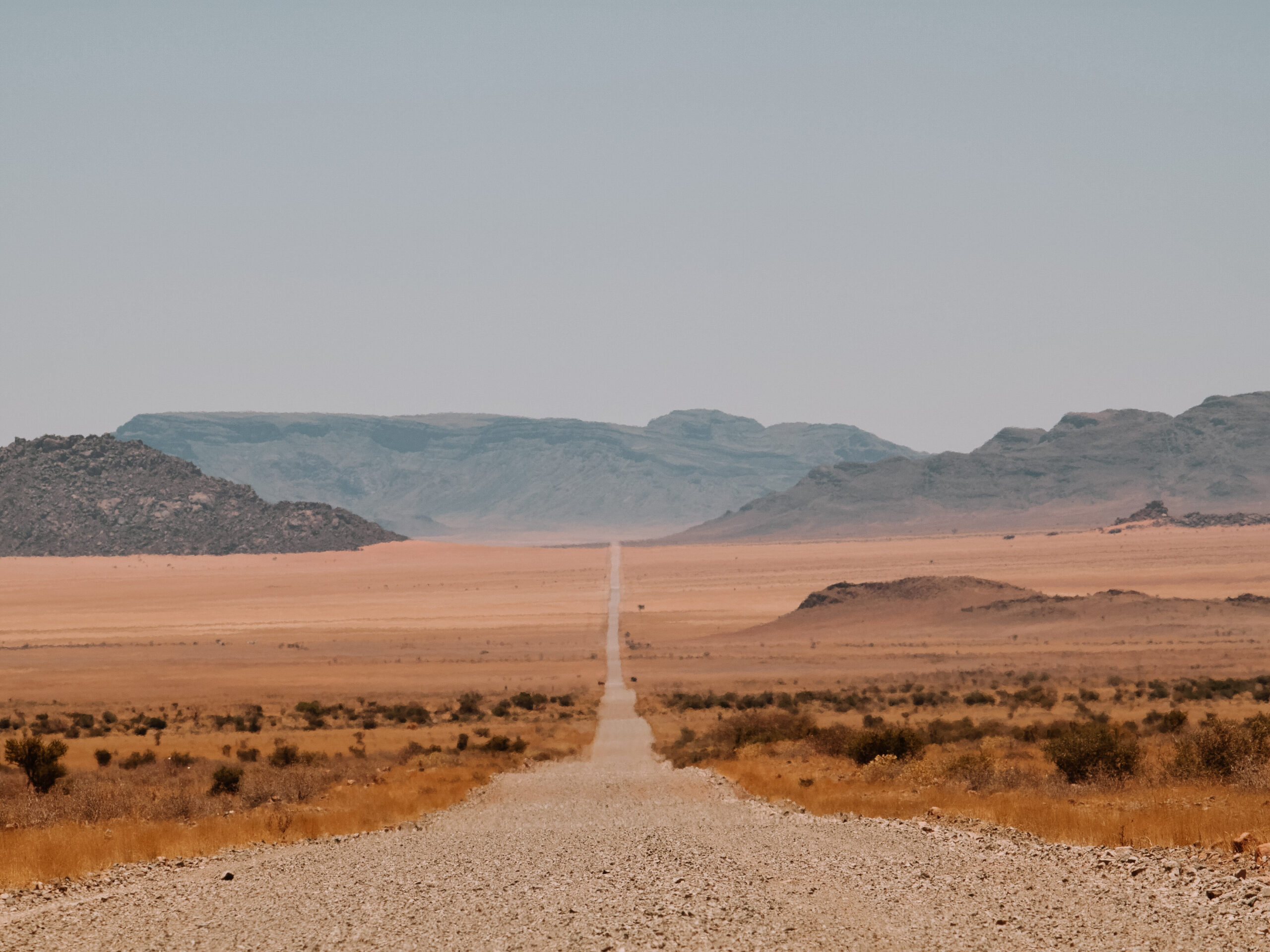
- Distances are long: Plan conservatively and avoid driving after dark. Wildlife frequently crosses roads, and visibility is poor at night.
- Fuel planning is essential: Always refuel when possible, even if the tank isn’t empty. Fuel stations can be far apart, especially outside major towns.
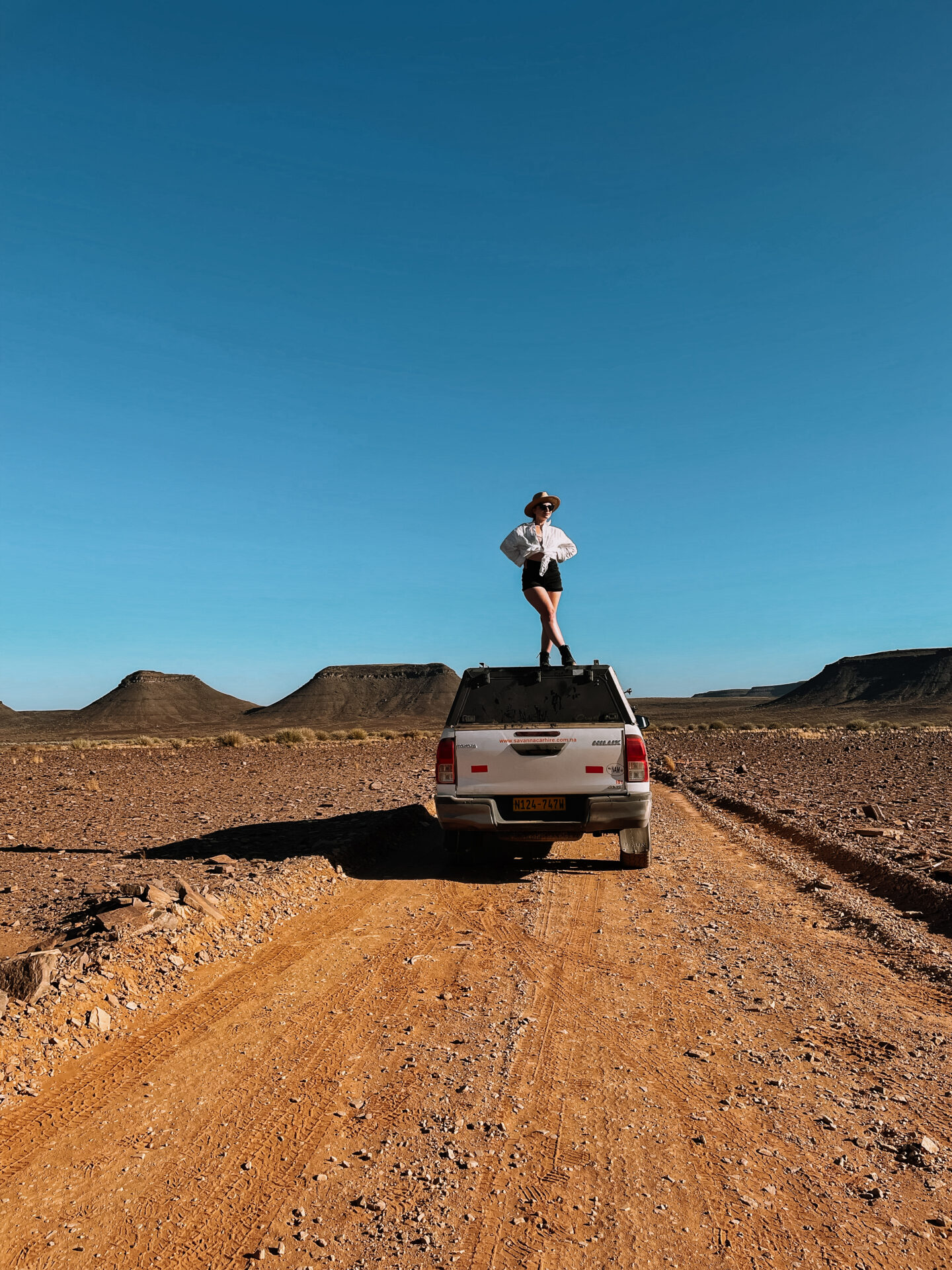
- Gravel roads are common: Drive slower than you think you need to. Gravel roads can be deceptively smooth and suddenly turn corrugated or sandy.
- Check tire pressure regularly: Lower tire pressure slightly on gravel roads for better grip and comfort (follow your rental company’s guidelines).
- Carry extra water at all times: Not just for emergencies – long drives, breakdowns, or delays can happen unexpectedly.
- Offline navigation is crucial: Download maps in advance. Mobile reception is limited outside towns and often nonexistent in remote areas.
- Start driving days early: Morning light is softer, temperatures are cooler, and animals are more active – plus it gives you buffer time if plans change.
- Self-drive safaris are very doable: Especially in Etosha, where roads are well maintained and wildlife viewing often centers around waterholes.
- Cash is useful in smaller towns: While cards are accepted in most lodges and hotels, fuel stations and small shops may require cash.
- Wind can be strong along the coast and in the south: Pack layers and windproof clothing, even if daytime temperatures are warm.
- Build in buffer days: Namibia rewards flexibility. Extra time allows for spontaneous stops, weather changes, or simply slowing down.
Times & Situations to Avoid
- Midday visits to Deadvlei: Light is harsh, heat is intense, and crowds peak
- Afternoon visits to Kolmanskop: Strong coastal winds often blow sand into buildings, making exploration difficult
- Driving at night: Wildlife on roads and poor visibility make this risky
- Underestimating travel times: Gravel roads, photo stops, and wildlife crossings slow everything down
Safety & Solo Travel Considerations
Namibia is widely regarded as one of the safest countries in Africa for independent and solo travel, including for women. Violent crime is rare outside of larger urban areas, and most safety considerations relate more to the environment than to people. Long distances, extreme temperatures, and limited infrastructure in remote regions mean that preparation is key. Carrying sufficient water, informing accommodation about your route, and avoiding driving after dark are simple but essential precautions. Traveling solo also heightens awareness – you become more attentive to fuel levels, daylight, and weather conditions – but in Namibia, this awareness tends to feel empowering rather than stressful. With basic planning and common sense, solo travel here feels calm, controlled, and surprisingly comfortable.
Why Namibia Is Ideal for First-Time Self-Drivers in Africa
For travelers considering their first self-drive trip in Africa, Namibia is an excellent choice. The road network is well maintained by regional standards, traffic is minimal, and signage is clear, especially along major routes. English is widely spoken, making logistics and communication straightforward. Unlike destinations where guided travel is essential, Namibia offers a rare balance: a strong sense of remoteness paired with reliable infrastructure. National parks like Etosha are particularly beginner-friendly, with clearly marked routes and predictable wildlife viewing around waterholes. This combination of accessibility, safety, and dramatic scenery makes Namibia a confidence-building destination for anyone new to self-drive travel on the continent.
Car Rental in Namibia: What to Know Before You Book
Choosing the right rental car is one of the most important decisions when planning a road trip through Namibia. A high-clearance vehicle is strongly recommended due to the prevalence of gravel roads, occasional sandy sections, and uneven surfaces – especially outside major towns. While a 4×4 is not strictly necessary for every route, it adds flexibility and peace of mind, particularly for destinations like Sandwich Harbour or remote lodge access roads. When booking, it’s important to check insurance coverage carefully: gravel damage, windshield protection, and tire coverage are essential in Namibia. Also look for rentals that include two spare tires, a jack, and basic recovery equipment. Finally, confirm mileage limits and emergency support options – reliable roadside assistance can make a significant difference in remote areas.
Since my journey continued into South Africa, I booked the rental as a one-way and returned the vehicle in Cape Town. If you are planning a similar route, this is worth considering when booking, as not all rental companies offer cross-border one-way returns and an additional fee usually applies. I’ll share more about the South Africa part of the journey soon.
Final Thoughts – Why Namibia Captivated Me
This road trip through Namibia was vast, demanding, and deeply rewarding. The long distances require planning, patience, and a willingness to let go of rigid schedules – but they also create space: space for observation, for silence, and for a kind of perspective that is hard to find elsewhere. Driving hour after hour through open landscapes sharpens your awareness, not only of your surroundings but also of how you move through them.
If there is one key takeaway, it’s this: Namibia rewards those who slow down. Wildlife sightings are rarely rushed, landscapes reveal themselves gradually, and some of the most powerful moments happen when nothing “spectacular” is happening at all. Waiting at a waterhole, watching light change over the dunes, or simply stopping because the view demands it often becomes more memorable than ticking off landmarks.
This is not a destination for over-packed itineraries or constant movement. Choosing fewer stops and spending more time in each place makes the journey richer and more immersive. Namibia invites you to travel deliberately – to plan well, but also to stay flexible, adapt to conditions, and leave room for the unexpected.
More than anything, this road trip reinforced the idea that travel does not always have to be fast or efficient to be meaningful. In Namibia, slowing down is not a compromise – It is the point.
If you enjoy long, personal road trip stories, you might also like my other travel guides across Africa.